Tribunals on trial
Bangladesh built a network of specialised tribunals to ensure swift accountability for crimes against women and children. Yet rising violence, low conviction rates, and institutional backlogs are testing whether these courts can still deliver the justice they were created to provide.
Across Bangladesh, reports of violence against women and children have once again dominated headlines. From the hill districts of Bandarban to the plains of Kushtia, incidents of rape, domestic abuse, and exploitation continue with alarming frequency. A troubling question arises: if the country has stringent laws and specialised tribunals to punish such crimes, why do these atrocities persist? Police records indicate 5,191 rape cases in 2023 and 4,394 in 2024, with nearly 10,000 cases reported between January 2023 and January 2025 - roughly 13 victims every day. Two decades ago, Bangladesh created the Women and Children Repression Prevention Act 2000, establishing specialised tribunals to deliver swift trials and severe punishments within 180 days. Today, however, this system faces a profound test.
Police statistics show that only 2.61 percent of women-related cases and 0.52 percent of child-related cases resulted in convictions in early 2025.
Despite the ambitious design of Bangladesh’s specialised tribunals, their performance reveals deep challenges. Over 150,000 cases involving women and children remain pending nationwide, with each tribunal handling more than 1,500 cases, overwhelming judges and staff. Statutory deadlines of 180 days for trial completion are rarely met; some cases drag on for five years or more, leaving survivors trapped in an exhausting legal limbo. Delays weaken cases: witnesses become unavailable, evidence deteriorates, and victims face pressure to withdraw complaints. Between 2020 and mid-2025, more than 31,000 rape cases were reported, yet conviction rates remain alarmingly low. Systemic weaknesses - including delayed investigations, absent witnesses, social stigma, intimidation, financial pressure and stay orders from higher courts, make justice slow, uncertain, and emotionally draining for survivors. The contrast between the law’s promise and reality is stark: swift, credible justice remains the exception, not the norm.
The challenges are not only about numbers; they are also about institutional design. The number of tribunals is far below what is needed, prompting judicial associations to call for hundreds more. Many tribunals lack adequate staff and infrastructure, with overcrowded courtrooms and limited facilities for victims, especially children, creating intimidating environments. Coordination between investigators, prosecutors, and judges is often inconsistent: delayed police investigations and overburdened prosecutors further slow the process. Beyond structural weaknesses, social and cultural factors - including early marriage, household power imbalances, stigma and fear of retaliation, discourage victims from seeking justice. Consequently, official statistics likely capture only a fraction of the true scale of gender-based violence. These institutional and social gaps highlight a central tension: the law promises speed, but the system struggles to deliver.
Despite these challenges, abandoning the tribunal system is not the answer. Specialised courts remain one of the most important mechanisms for addressing crimes against women and children, but meaningful reform is urgently needed. Bangladesh must expand judicial capacity by creating additional tribunals and appointing more specialised judges to prevent the backlog from growing further. Investigative capacity within the police should be strengthened, and prosecutors require specialised training in handling gender-based violence cases. Robust victim protection – including witness protection, psychological support, and confidential reporting – can encourage more survivors to pursue justice. Modern case-management tools, such as digital records, automated scheduling, and monitoring systems, are also essential to ensure statutory deadlines are respected. The effectiveness of these tribunals is a measure of institutional health. Institutions must evolve to meet the scale and complexity of violence; otherwise, legal promises remain unfulfilled.
In addition to existing tribunals, Bangladesh has recently established Child Rape Prevention Tribunals, operating alongside the Women and Children Repression Prevention Tribunals. These new courts signal renewed hope for victims while sending a clear warning to offenders: crimes against children will face swift and serious judicial scrutiny. Early indications suggest that the presence of these tribunals has begun to accelerate proceedings and improve the visibility of justice in high-profile cases. However, their effectiveness will depend on addressing broader structural issues – adequate staffing, infrastructure, coordination, and victim protection – to ensure they do not face the same delays and bottlenecks that have plagued existing tribunals.
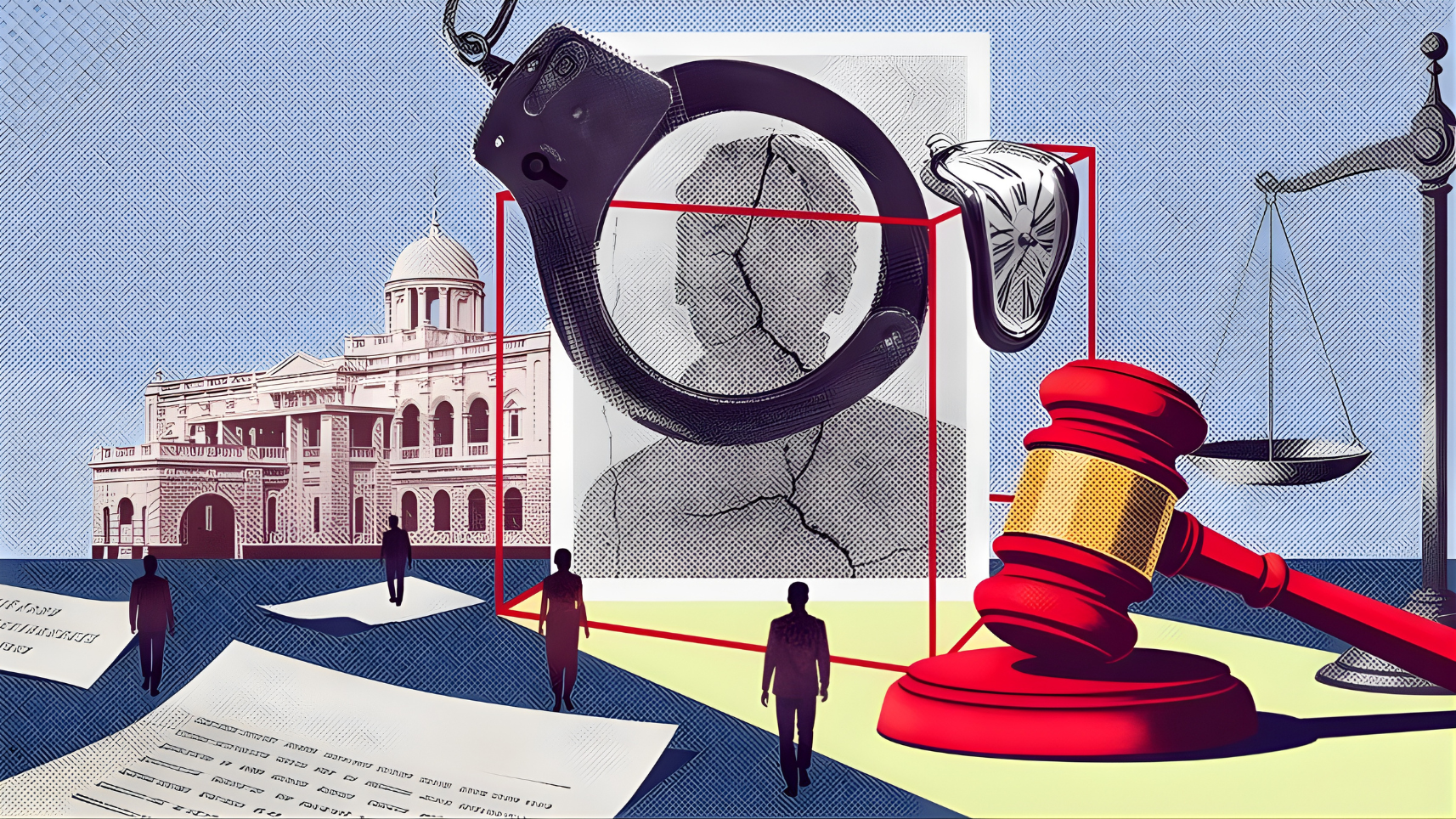
A closer look at the numbers underscores the gravity of the crisis. Police statistics show that only 2.61 percent of women-related cases and 0.52 percent of child-related cases resulted in convictions in early 2025. By contrast, the overall criminal conviction rate in Bangladesh is approximately 28 percent. Low conviction rates reflect systemic challenges: victims withdraw complaints due to social pressure, investigations are delayed, evidence is lost, and defendants secure stay orders. Even as tribunals deliver decisive verdicts in isolated cases, the broader backlog reveals that justice remains slow, uncertain, and emotionally draining for survivors.
Laws alone cannot protect the vulnerable; institutions must deliver. Bangladesh has enshrined some of South Asia’s strongest legal protections for women and children, and specialised tribunals were designed to ensure justice that is swift, visible, and certain. Yet a system measured by promises rather than outcomes risks losing public trust. Every delayed verdict sends a quiet but dangerous signal: that violence may go unpunished. Restoring faith in these tribunals is both a legal and moral imperative. Ultimately, the strength of Bangladesh’s justice system will be judged not by its laws, but by whether women and children can trust that justice will arrive before hope runs out.
Md. Arifujjaman is the Deputy Solicitor (Additional District Judge), Solicitor Wing, Law and Justice Division, Ministry of Law, Justice and Parliamentary Affairs.
Send your articles for Slow Reads to slowreads@thedailystar.net. Check out our submission guidelines for details.

Justice that lets every woman and girl live free from fear
Women in justice and justice for women
Tribunals on trial

‘Prevalence of personal laws creates the most serious gender gap’

Why sexual harassment laws fail in practice

International Women’s Day / The journey from presence to power
International Women's Day / Men, money and muscle still guard the gates of politics

Analysis / Gen Z’s gender paradox
Land, lineage, and the fight for Indigenous women’s rights

Abolish discriminatory inheritance laws now

Unequal homes
Public lands, patriarchal rules

Online abuse is now a national crisis: Time to act

Break barriers to women’s economic power