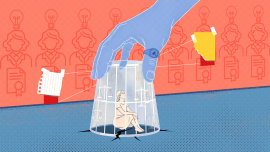
‘Prevalence of personal laws creates the most serious gender gap’
The Daily Star (TDS): Where do you see the most significant gender gaps within Bangladesh’s current human rights and legal framework, particularly in relation to enforcement and implementation?
Sultana Kamal (SK): To talk about the human rights and legal frameworks of Bangladesh, one must note that lives of citizens of the country are governed by constitutional laws as well as a set of personal laws. These laws respectively govern a citizen’s public and private life. The Constitution of Bangladesh guarantees equal legal status to all citizens irrespective of class, creed, place of birth, gender, religion or ethnicity in public life. This means that in public life, like all other citizens, women too are entitled to and have access to the same rights and opportunities as men. Moreover, our Constitution clearly states that all citizens will be equal before the law. However, in contravention to that directive of the Constitution, some vital aspects in the private sphere of the citizens’ lives like marriage, dissolution of marriage, custody and guardianship of children, dower and inheritance are governed by personal laws based on religions. These laws inherently deny equal rights of women. They are discriminatory not only between women and men of the same religion, but also between women and women of various religions.
In one word, prevalence of personal laws in itself creates the most serious gender gap within the legal framework of Bangladesh. There is no separate human rights law as such built within the legal framework of the country. Some of the clauses of the International Covenant on Civil and Political Rights are enshrined in the chapter three of the Constitution. The five most essential rights e.g., food, clothing, shelter, education and health are considered basic rights, not part of human rights and hence not justiciable in court. In a stratified society like ours, this creates situations of blatant discrimination against women. Moreover, the prevailing culture that views women as naturally subordinate to men normalises violence against them. This often prevents women from claiming or accessing the legal rights and remedies to which they are entitled.
TDS: In practice, what legal and procedural barriers most often prevent women from accessing justice after experiencing human rights violations?
SK: After experiencing human rights violation, a woman must bear the full responsibility for accessing justice. From the onus of reporting the violence to law enforcement agencies to producing evidence in court, the burden falls entirely on the woman who has experienced the violence. The introduction of Special Tribunals has, to a considerable extent, made it easier for women to seek justice. However, the pervasive anti-woman attitudes that women encounter at every stage of the legal process, including when seeking medical assistance, practically discourage and hinder them from pursuing justice. A woman’s financial capacity also plays a significant role in her ability to pursue legal remedies.
TDS: How do social norms, stigma, and power dynamics within families and communities discourage women from pursuing legal remedies?
SK: In a society like ours, which is shaped by patriarchal norms, violence against women is often considered normal or even necessary in order to control women. In occurrences of violence against women, it is not the perpetrator but the woman herself who is most often held responsible. To serve its own interests, patriarchy creates many divisions in society. One of these is the division between 'good' and 'bad' women. Unfortunately, for centuries, once a woman experiences violence, the first point of discussion will be whether the woman in question was a 'good' or a 'bad' woman. The general assumption will be that she must have crossed the line to invite violence against her. Questions relating to her 'chastity' and respectability will dominate the discussions. The media’s role is often more sensational than sensitive. As I mentioned earlier, in a class-divided society shaped by many factors such as money, political power, social status, cultural norms, and fear of stigma, all these elements play a critical role in deciding whether the woman will seek and obtain justice or not.
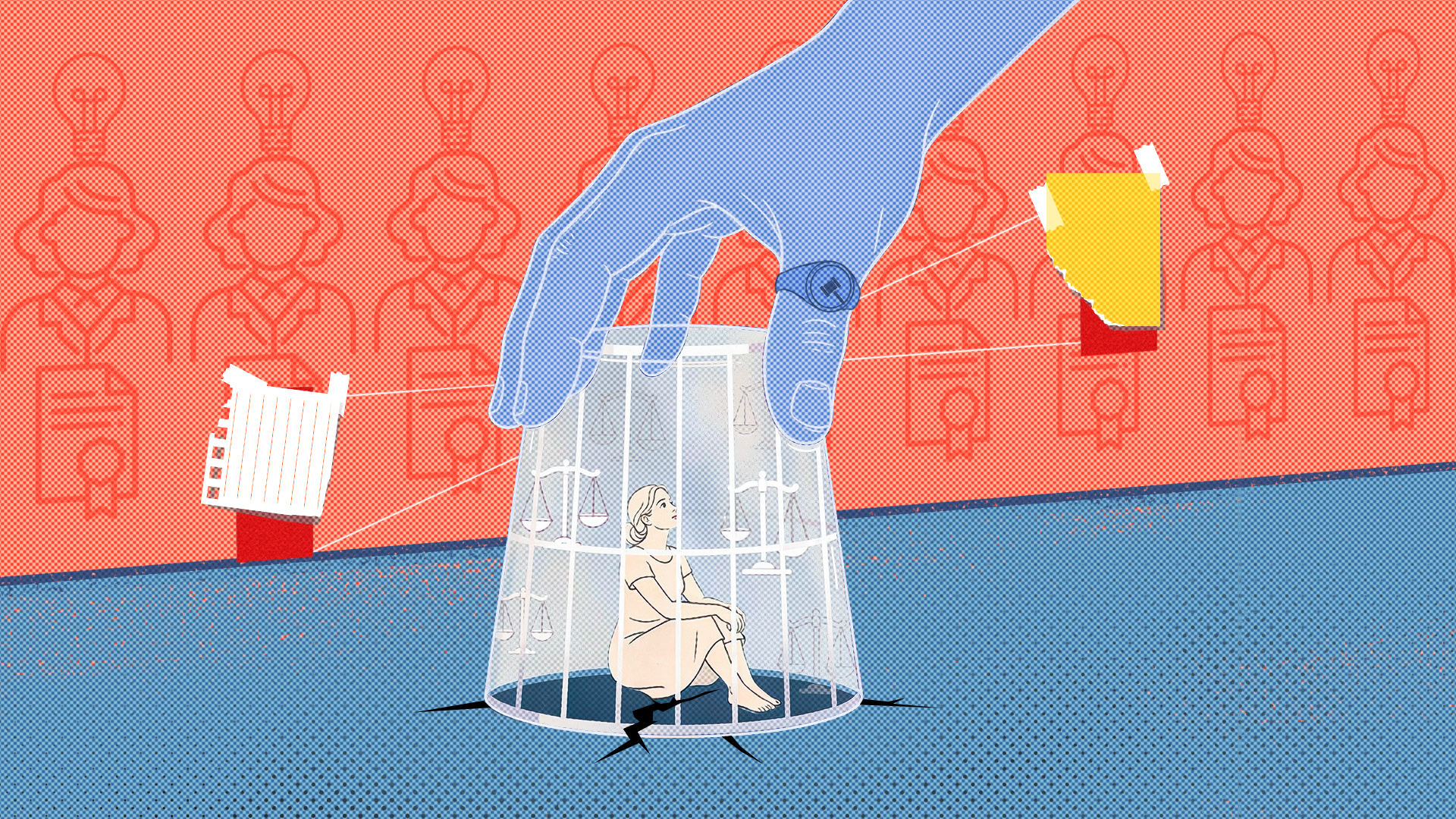
TDS: Which types of human rights violations against women are most prevalent yet most difficult to seek justice for, and why?
SK: Research findings indicate that more than fifty per cent of women experience violence of one kind or another within the family sphere at the hands of family members. We may recall that until 2010, physical, mental, or sexual violence against women within the family was not even considered a crime. There was no law to prevent or deter domestic violence until then. Many women, even today, do not know that violence within the family is not permitted and that complaints can be lodged in a court of law. Additionally, because of cultural inhibitions, family indoctrination, and dogmatic religious beliefs, it takes a great deal of courage and moral support to seek justice against domestic violence. That is not to say it is easy to seek justice for gross violence such as rape, murder, or sexual harassment outside the family. Examples are not rare where money, social status, political power, and other factors determine the course of justice in such cases as well.
TDS: What changes—legal, institutional, or policy-level—are urgently needed to ensure women’s equal access to justice in Bangladesh?
SK: As far as public rights are concerned, women are entitled to equal protection under the law. Over the past decades, many other specific laws have been enacted to prevent and deter violence against women. It is not so much the absence of legal provisions that is failing to reduce or control violence against women. The problem essentially lies with the mindset of most officials entrusted with the responsibility of delivering justice, from the lowest to the highest levels. A cultural change throughout the entire justice system is needed to ensure justice for women. Another very important issue is the prevalence of family or personal laws, which, as I mentioned earlier, structurally violate and deny human rights to women. Since 1972, women’s movements in Bangladesh have demanded the introduction of a Uniform Family Code to eliminate discrimination against women in the private sphere. Another crucial policy initiative needed is the full implementation of CEDAW without any reservation.
TDS: Do you have any additional observations or recommendations regarding women’s human rights and their access to justice in Bangladesh?
SK: Bangladesh has progressed to a great extent in the field of women’s empowerment, but it has fallen short in ensuring equal human rights and dignity for women. Our educational systems, patriarchal cultural discourses and practices, the dominance of anti-women attitudes, and socio-political influences—more often than not supported and patronised by vested interest groups, particularly power-seeking political groups—are some of the factors hindering women from enjoying their rights and status as respectable, equal citizens of the country. Pro-people democratic forces and progressive citizen groups must pay greater attention to working towards creating social conditions conducive to the realisation and enjoyment of human rights for all, including women.
The interview has been taken by Miftahul Jannat.
Send your articles for Slow Reads to slowreads@thedailystar.net. Check out our submission guidelines for details.
International Women's Day / Beyond the celebration
Unequal homes
Abolish discriminatory inheritance laws now
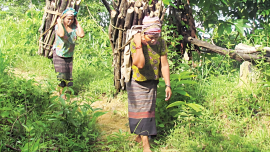
Land, lineage, and the fight for Indigenous women’s rights
Online abuse is now a national crisis: Time to act
Why sexual harassment laws fail in practice
Women as non-citizens in Bangladesh — and why the future must be feminist
Public lands, patriarchal rules

Break barriers to women’s economic power

Editor's Note
Justice that lets every woman and girl live free from fear
Confronting gender inequality in Bangladesh’s labour laws
Women in justice and justice for women