Women in justice and justice for women

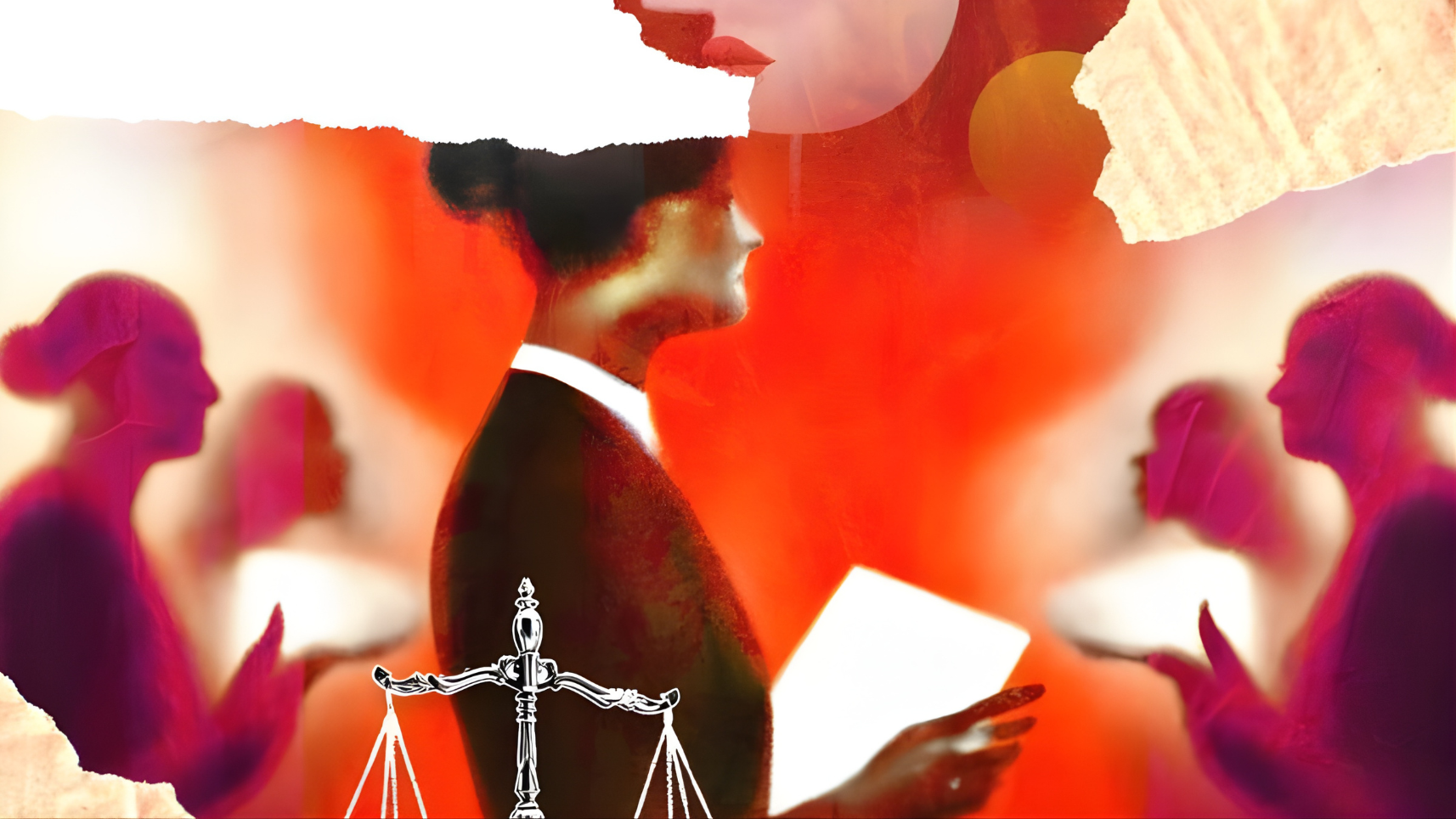
Every year, on March 8, while we celebrate advances in women’s rights and freedoms, we also assess the continuing challenges. This year the day follows national elections, so it is natural that public discussion has focused on how many (or sadly how few) women are ministers and MPs, on the role of women in government and in parliament. In contrast, though, there has been little attention on women in the judiciary, or more broadly in the justice system, including the role of judges and lawyers.
This issue was unfortunately not foregrounded in the outgoing Interim Government’s ‘reform’ agenda. The recommendations of the Women’s Affairs Commission were also largely ignored, and the Justice Reform Commission, lacking even one woman representative, did not discuss equality or inclusion.
As we enter another political transition, it may be helpful to reflect on some of the opportunities for building a justice system that is inclusive, that reflects the diversity of our population, including in terms of sex, ethnicity, disability and religion, and that can strengthen the recognition and realisation of women’s rights.
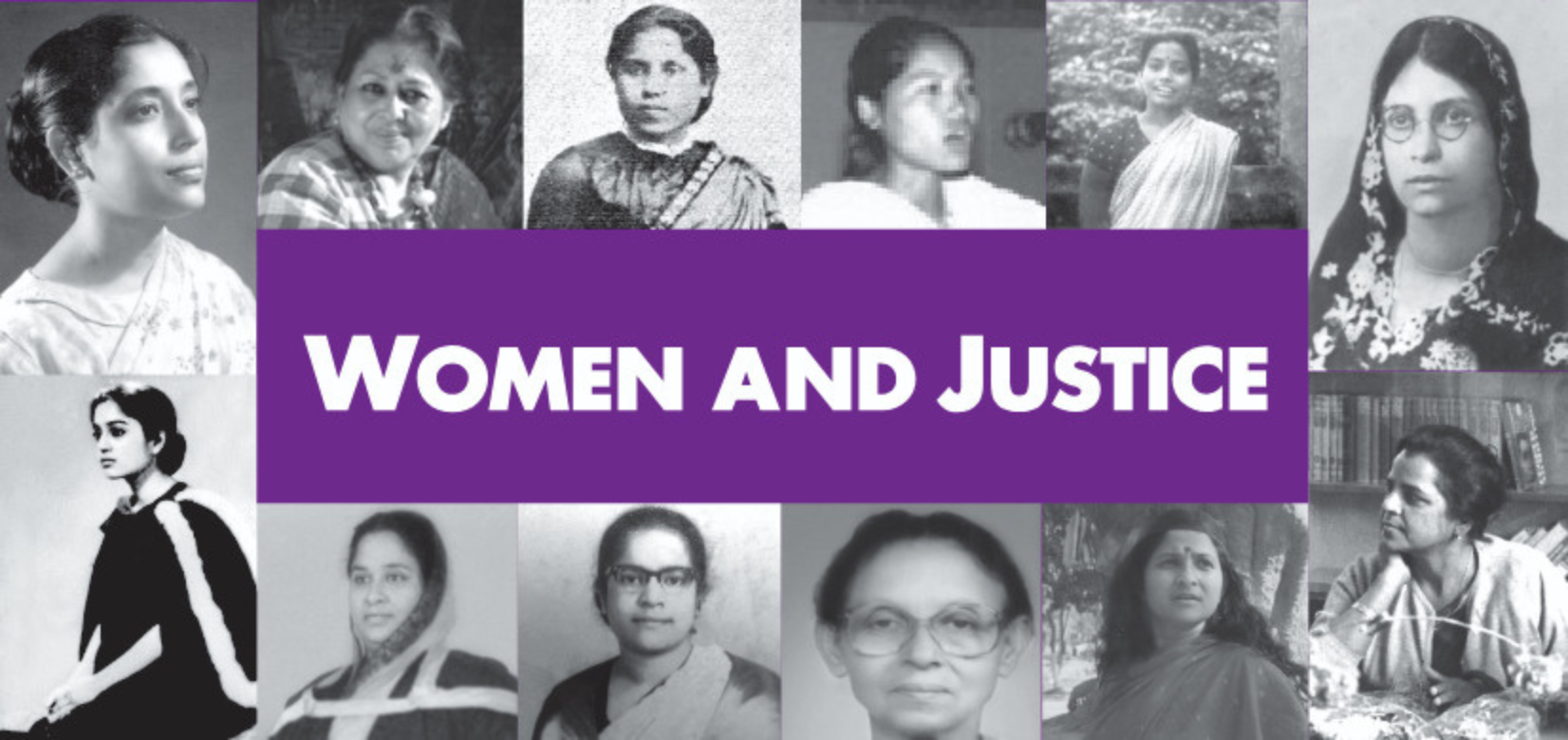
Let me start by recalling achievements on which we can build. First, there are more women in the judiciary, including in the Appellate Division, with the appointments of the first woman head of the Law Commission and the Judicial Service Commission. More women are also graduating from law schools and entering the legal profession, not only to practise in court but also as corporate lawyers or with rights or development NGOs.
But the numbers overall are still low, with only 11 women in the Supreme Court out of 148 judges, and only 496 women compared to 1,691 male judges across the country. According to the 2016 Justice Audit Bangladesh, women constituted only 13% of the profession (7,309 out of 57,530 enrolled lawyers). In practice, we still see that many women are unable to continue their legal careers. Further, no women to date have held top positions in the judiciary or the Bar (either the Bar Council or Bar Associations). Women lawyers have pointed out that a variety of reasons are at play, including the prevalence of patriarchal norms, unfavourable working environments, and pervasive social and cultural factors. It is significant that little or no accommodation is made for women’s care responsibilities (for children or the elderly), and flexible working hours are practically unheard of. There are no legal or policy requirements to enable the sharing of family responsibilities by men. Women colleagues report that male counterparts are often preferred for demanding court work, based on assumptions about availability and suitability. Even when they demonstrate strong competence and advocacy skills, their contributions receive less visibility, leading to fewer court appearances, leadership roles, and recognition.
Court infrastructure reinforces the exclusion of women. The introduction of accessible and clean toilet facilities at the Supreme Court means that—at last—a generation of women lawyers can drink water without having to worry about not finding a usable washroom, hurrah! But unfortunately, these basic amenities remain absent in most courts and public offices across the country. Far too many district courts are still not accessible and lack adequate waiting areas or childcare facilities. Women lawyers handling cases of violence report facing intimidation within court premises, without meaningful safeguards or support. Women lawyers also face direct threats, sexual harassment, and online trolling (attacking their character or personal status). Many do not report these for fear of being further victimised or stigmatised, or because of the lack of remedy; the Bar Council has reportedly still not fully complied with the High Court’s guidelines on addressing sexual harassment complaints, lagging behind NGOs and private companies.
There are many more concerns that could be agitated about the rights of women lawyers. But the deeper crisis lies not only in who administers justice, but in how justice is delivered to women who seek it.
While we have made progress in developing laws that provide remedies for violence against women (including an important amendment by the Interim Government), in practice survivors quickly discover that legal recognition does not guarantee timely redress. Court delays are chronic. Adjournment follows adjournment. Survivors must repeatedly relive trauma in open court, often facing aggressive cross-examination. Over time, witnesses may turn hostile, evidence weakens, and social pressure mounts. Many complainants withdraw, not because justice is not desired, but because the process itself becomes intolerable.
Despite constitutional guarantees of equality, personal laws continue to disadvantage women in relation to rights in the family, including on matters of guardianship and custody. Although courts increasingly emphasise the welfare of the child as a paramount concern, gender bias persists. Maintenance orders are frequently delayed or poorly enforced, leaving women facing destitution.
Security gaps compound the problem. Survivors who file complaints against influential or politically connected perpetrators often face threats and intimidation. Protection orders are unevenly enforced, and breaches rarely result in swift consequences. Lack of family support, and inadequate numbers of shelters, leave survivors vulnerable. One-Stop Crisis Centres, which provide vital medical and legal services, and Victim Support Centres run by the police urgently need to be resourced from the government revenue budget and rolled out across the country.
Beyond family disputes and cases of violence, women also face egregious human rights violations for which they require urgent remedy, reparation and rehabilitation. Can we commemorate Women’s Day and continue to take no action to ensure justice for the Bawm women, who have been in prolonged pretrial detention, along with their infant children, for hundreds of days? Can we remain oblivious to the families of the hundreds of women workers killed at Rana Plaza and the Tazreen Fire, who are still waiting for justice and accountability after more than a decade? And will we hear the women survivors who spoke at a public hearing at the National Human Rights Commission about the disappearance, extrajudicial killing, torture or arbitrary detention of their loved ones, about children jailed without bail for months, about the threats to them from state agencies on the one hand, and religious fundamentalists on the other?
To ensure justice for women, we need more than symbols and slogans. Increasing women’s representation in the judicial system—as judges, as prosecutors, in the Attorney General’s Office, in the police, among court staff and lawyers—is of course critical, and practical time-bound commitments need to be made and implemented. But we need to pay as much attention to ensuring that justice can be delivered—in courtrooms that are accessible and inclusive, ensuring proceedings are timely, orders are enforced, and remedies are secured that restore dignity and hope.
Barrister Sara Hossain is Supreme Court lawyer and the honorary executive director of Bangladesh Legal Aid and Services Trust (BLAST).
Send your articles for Slow Reads to slowreads@thedailystar.net. Check out our submission guidelines for details.
International Women's Day / Beyond the celebration

Unequal homes
Abolish discriminatory inheritance laws now
Land, lineage, and the fight for Indigenous women’s rights

Online abuse is now a national crisis: Time to act
Why sexual harassment laws fail in practice
Women as non-citizens in Bangladesh — and why the future must be feminist
Public lands, patriarchal rules

Break barriers to women’s economic power

Editor's Note
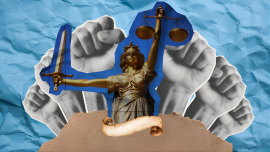
Justice that lets every woman and girl live free from fear
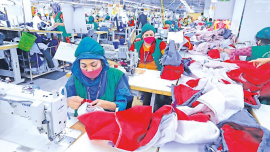
Confronting gender inequality in Bangladesh’s labour laws
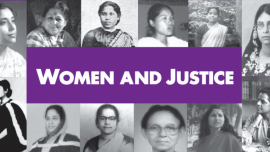
Women in justice and justice for women