


Take better care of children in prisons
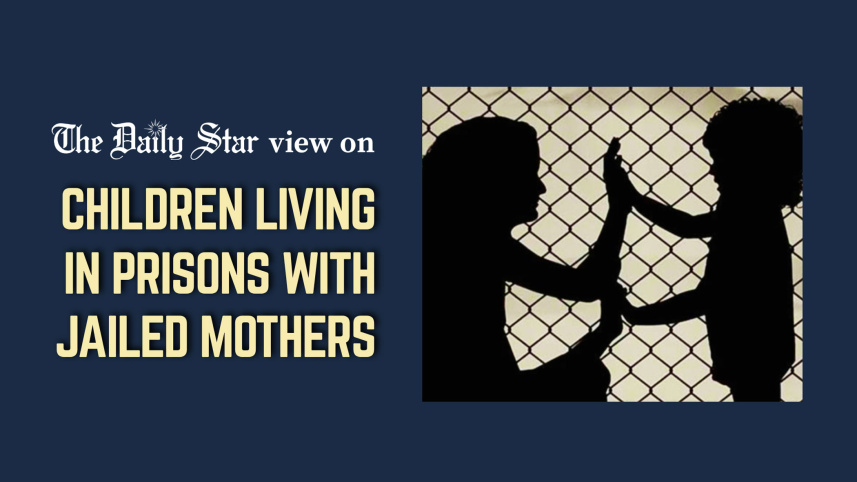
We are deeply concerned that around 300 children are growing up behind bars with their incarcerated mothers in 74 jails across the country, according to a report by this newspaper. While keeping young children with their mothers is necessary, the conditions at prisons are unsuitable for their long-term physical and mental development.
According to an earlier report by Desh Rupantor, most of these mothers are accused or convicted in drug-related cases, while their children live alongside adult detainees and convicted prisoners. Although some central jails have daycare facilities and provide food, toys, and limited opportunities for learning and play, district prisons lack adequate facilities. Many prisons have no trained teachers, formal schooling, or counselling services, while arranging medical treatment for sick children can also be difficult. Moreover, delays in the disposal of cases leave children in prisons for years while their mothers await the final outcome of legal proceedings.

In response to a recent High Court directive, the Department of Social Services has recommended placing these children with close relatives under foster care or other family-based arrangements, provided this serves their best interests. Where relatives are unavailable or such arrangements are unsafe, it has proposed keeping them in government children’s homes or other suitable facilities. However, any decision to separate a child from their mother must be carefully considered, taking into account the child’s safety, emotional needs, and overall best interests. Authorities must also consider whether these children can legally live with their mothers outside prison. For instance, Section 497 of the Code of Criminal Procedure allows courts to consider bail for women, children, and sick people in relevant circumstances. The Probation of Offenders Ordinance, 1960 also provides for probation in certain cases, allowing eligible offenders to serve their sentences under supervision in the community rather than in prison. However, legal experts say these alternatives remain underused.
The government must urgently develop and implement a clear policy for children living in prisons with their mothers. Courts should consider bail and probation in eligible cases, particularly where the offence is relatively minor and community supervision would better serve the child’s welfare. The government must also strengthen family-based care and ensure that children in government homes receive proper education, healthcare, nutrition, and emotional support. For the children who remain in prison with their mothers, every facility must provide safe living conditions, age-appropriate learning and play, and access to medical and psychological care.
 For all latest news, follow The Daily Star's Google News channel.
Comments