What should 'Bangladesh First' mean for foreign policy?
Bangladesh's foreign policy has reached a crucial stage as the dynamics of great-power competition, geopolitics, technology, energy security and geoeconomics transform the international system. As Bangladesh contends with an uncertain and increasingly multipolar international environment, it can no longer base its foreign policy exclusively on traditional relationships and friendships. As an emerging economy occupying a geostrategic position, Bangladesh needs to adopt an approach to foreign policy that places national interests at its centre. In this context, “Bangladesh First” emerges as a relevant strategic paradigm for navigating the complexities of the changing international order.
This approach in no way implies isolationism; rather, international relations theory emphasises the formulation of policies that safeguard a state's sovereignty, security and economic prosperity (Nuechterlein, 1976). For Bangladesh, any foreign policy strategy must therefore address a fundamental question: “How will this contribute to the country's economic development?”

In the new millennium, diplomacy has become increasingly results-oriented, with protocol and symbolism carrying less weight than tangible outcomes. Across the world, states have increasingly turned to economic diplomacy to secure investment, access to technology, entry into markets and the development of strategic sectors. According to Blackwill and Harris (2016), the contemporary international system is becoming increasingly geoeconomic in nature, with trade, finance, infrastructure, technology and supply chains being used as instruments of leverage. For Bangladesh, the role of embassies and diplomatic missions must therefore extend beyond representing the state abroad to actively promoting exports, attracting investment, facilitating technology transfer and creating employment opportunities for Bangladeshis.
One of the major components of Bangladesh First must be strategic autonomy. As the global environment changes and the international system becomes increasingly multipolar, middle and emerging powers are gaining greater opportunities to pursue independent foreign policies (Aydın-Düzgit & Balta, 2021). In this respect, Bangladesh faces both opportunities and challenges. Heavy dependence on any single external partner can limit its freedom of manoeuvre and increase its vulnerability to geopolitical shifts.
The Gulf region illustrates the importance of this approach. Historically, Bangladesh's relationship with the Middle East has centred on labour migration and remittances, and these connections remain important. However, there are considerable opportunities to expand cooperation through investment and economic diversification, particularly with countries such as Saudi Arabia, the United Arab Emirates, Qatar and Kuwait. Bangladesh can position itself as an attractive destination for investment by strengthening economic engagement with these countries and identifying opportunities for mutually beneficial partnerships.
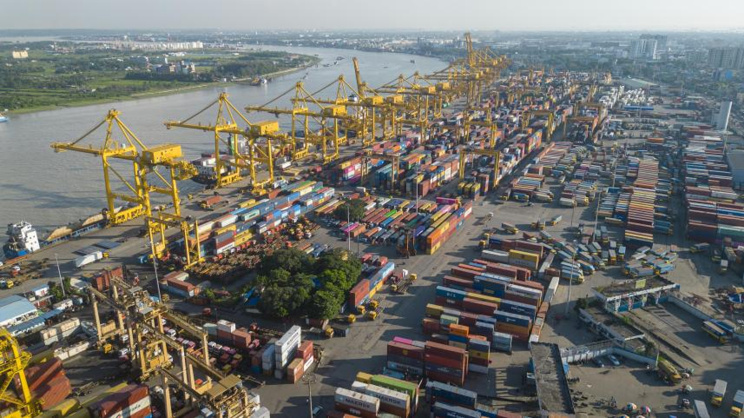
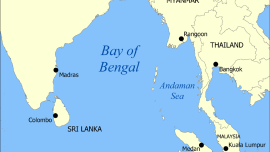
Equally important is Bangladesh's geographical advantage, with the country strategically positioned along the Bay of Bengal. Against the backdrop of evolving global supply chains and the growing importance of Indo-Pacific connectivity, the strategic significance of this location is becoming increasingly apparent. Improvements in ports, logistics, regional connectivity and customs operations could transform Bangladesh into a major hub connecting South Asia with Southeast Asia. Beyond connectivity, substantial opportunities exist within the blue economy, including fisheries, maritime services, shipbuilding, tourism and the sustainable utilisation of marine resources, among other sectors.
However, to capitalise on these opportunities, Bangladesh must also strengthen its domestic competitiveness. Beyond the country's strategic location, investors seek predictable policies, clear regulations, effective institutions and reliable infrastructure. This explains why economic diplomacy must be accompanied by domestic reforms that improve the overall investment environment. Investment promotion and institutional reform must therefore go hand in hand, reinforcing each other to support sustainable economic growth.
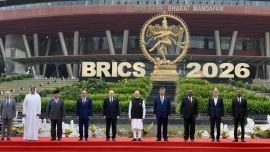
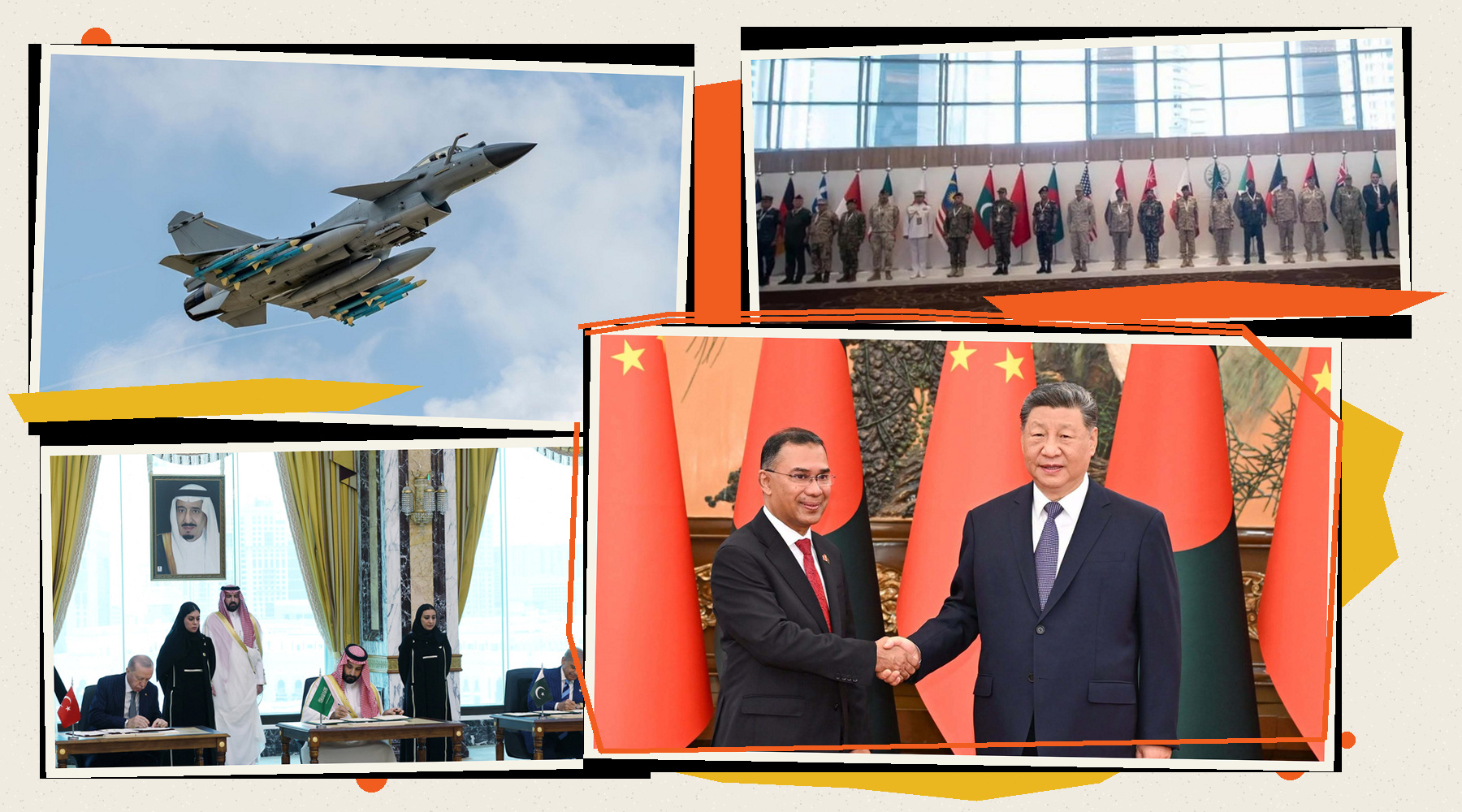
One of the major components of Bangladesh First must be strategic autonomy. As the global environment changes and the international system becomes increasingly multipolar, middle and emerging powers are gaining greater opportunities to pursue independent foreign policies (Aydın-Düzgit & Balta, 2021). In this respect, Bangladesh faces both opportunities and challenges. Heavy dependence on any single external partner can limit its freedom of manoeuvre and increase its vulnerability to geopolitical shifts. Bangladesh should therefore diversify its international relationships while maintaining constructive engagement with major powers. India will remain a critical partner and neighbour; China will continue to play an important role in infrastructure and industrial development; Japan will remain a source of advanced technology and high-quality investment; and the United States and the European Union will continue to be important export markets and sources of innovation.
This is particularly relevant to Bangladesh's relationship with India. Geography makes Bangladesh and India highly interdependent neighbours, and cooperation between the two countries in trade, connectivity, energy and security has already delivered tangible benefits to both sides. At the same time, challenges involving water-sharing, border management and trade imbalances require sustained dialogue based on reciprocity, mutual respect and recognition of each country's legitimate national interests.
The same pragmatic approach should characterise Bangladesh's relationship with China. Chinese investment and infrastructure financing have contributed significantly to regional connectivity and development. Nevertheless, economic opportunities must be assessed alongside considerations of financial sustainability, strategic implications and long-term national interests. Bangladesh must ensure that its engagement with China supports development priorities without creating excessive economic dependence or limiting its strategic flexibility.
Bangladesh First should not be regarded simply as a political slogan but as a long-term national policy framework. Its success will depend on strong institutions, good governance, economic competitiveness and a broad national consensus on strategic priorities. In today's increasingly fragmented and conflict-prone international environment, Bangladesh's greatest diplomatic strength will lie in its ability to maintain constructive relationships with major powers and regional partners while consistently pursuing its own national interests
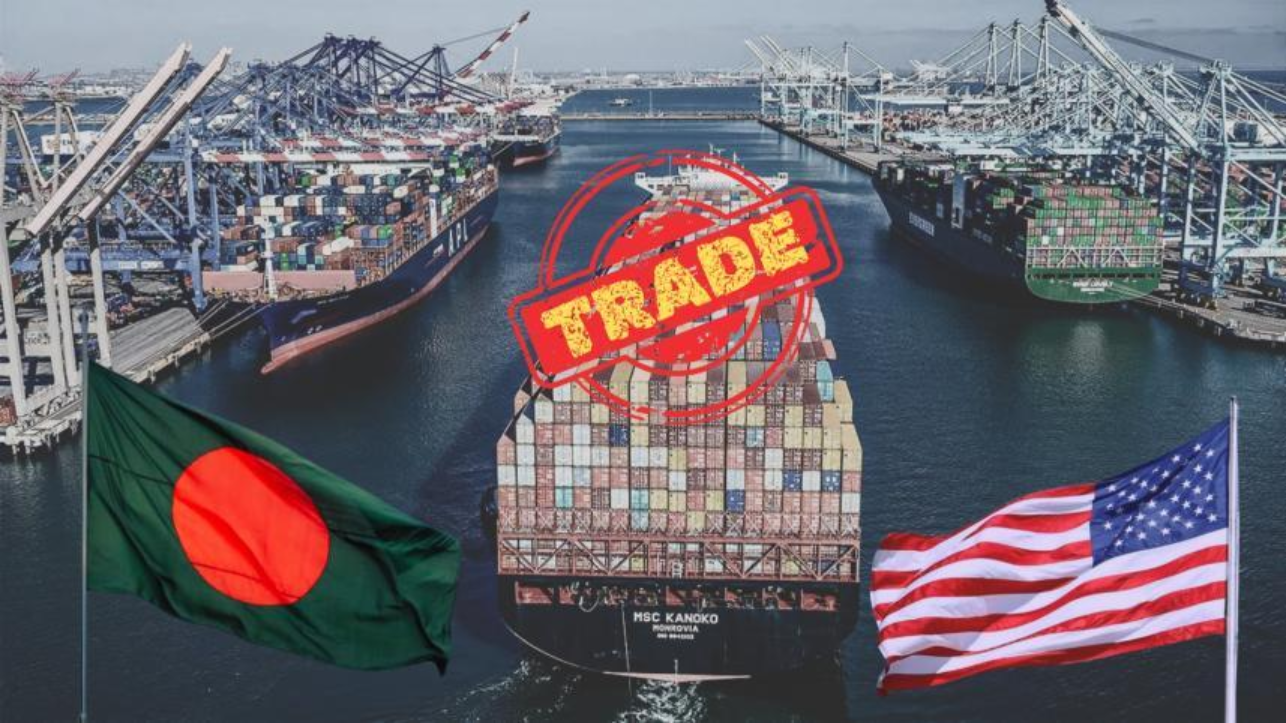
Export diversification is another essential priority. While the ready-made garment industry continues to serve as the backbone of Bangladesh's economy, building long-term economic resilience requires the development of additional growth drivers. Pharmaceuticals, information technology, digital services, electronics, agro-processing, shipbuilding and light engineering are among the sectors offering significant opportunities for expansion. For Bangladesh to move up global value chains and compete successfully in an increasingly knowledge-based economy, sustained investment in education, innovation, research and skills development will be necessary.
Climate diplomacy must also become an integral component of Bangladesh First. Climate change cannot be treated solely as an environmental issue; it is equally a challenge involving development, security and economic stability. As a country recognised for its experience and leadership in climate adaptation, Bangladesh should leverage this position to attract climate finance, promote green investment, acquire advanced technologies and expand renewable energy generation. Given the growing importance of sustainability in shaping international trade and investment flows, climate resilience can become a source of competitive advantage rather than merely a response to environmental risks.
Finally, Bangladesh First should not be regarded simply as a political slogan but as a long-term national policy framework. Its success will depend on strong institutions, good governance, economic competitiveness and a broad national consensus on strategic priorities. In today's increasingly fragmented and conflict-prone international environment, Bangladesh's greatest diplomatic strength will lie in its ability to maintain constructive relationships with major powers and regional partners while consistently pursuing its own national interests. If Bangladesh can effectively harness its geographical position, demographic potential, industrial capabilities and maritime resources, it can strengthen its standing not only as an important South Asian country but also as an influential regional actor in the Bay of Bengal.
Professor Mohammad Sofi Ullah teaches in the Department of Geography and Environment at the University of Dhaka.
Send your articles for Slow Reads to slowreads@thedailystar.net. Check out our submission guidelines for details.

Navigating the US-China rivalry: Bangladesh cannot outsource its AI sovereignty

After America leaves, what next for Iraq?

Three years after October 7: When a date became an alibi for genocide
Can Bangladesh capitalise on the Bay of Bengal’s strategic rise?

Who pays for Israel’s nuclear dominance?

How much higher can oil prices go?

Beyond the ‘end of history’ and the ‘clash of civilisations’ / What kind of world order is emerging?

The South Korea opportunity Bangladesh is overlooking

Geopolitical ghosts and the United Nations