


Ease the crushing debt burden on rural poor
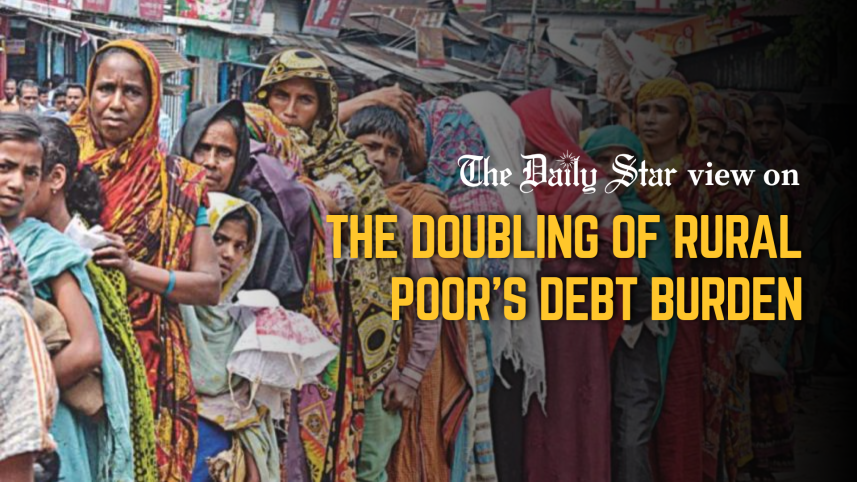
The grim finding that the debt burden on the rural poor has nearly doubled over the past 15 years is deeply concerning. A study by the Bangladesh Institute of Development Studies (BIDS), a government think tank, published on October 12, reveals that four out of every five poor rural households are now spending 40 percent of their incomes on repaying instalments to microfinance institutions (MFIs) and other informal lenders. The study found that the share of borrowers spending 40 percent of their earnings on loan repayments has risen to 41 percent, up from 22 percent in 2010.
The BIDS research once again highlights how disproportionately the poor are bearing the burden of an inequitable credit system. The problem extends beyond this alarming headline figure. The survey also found that nearly one in three poor households had taken out two or more loans. In many cases, borrowers have resorted to taking out new loans to repay instalments on existing ones, trapping them in a crippling and potentially endless cycle of debt.

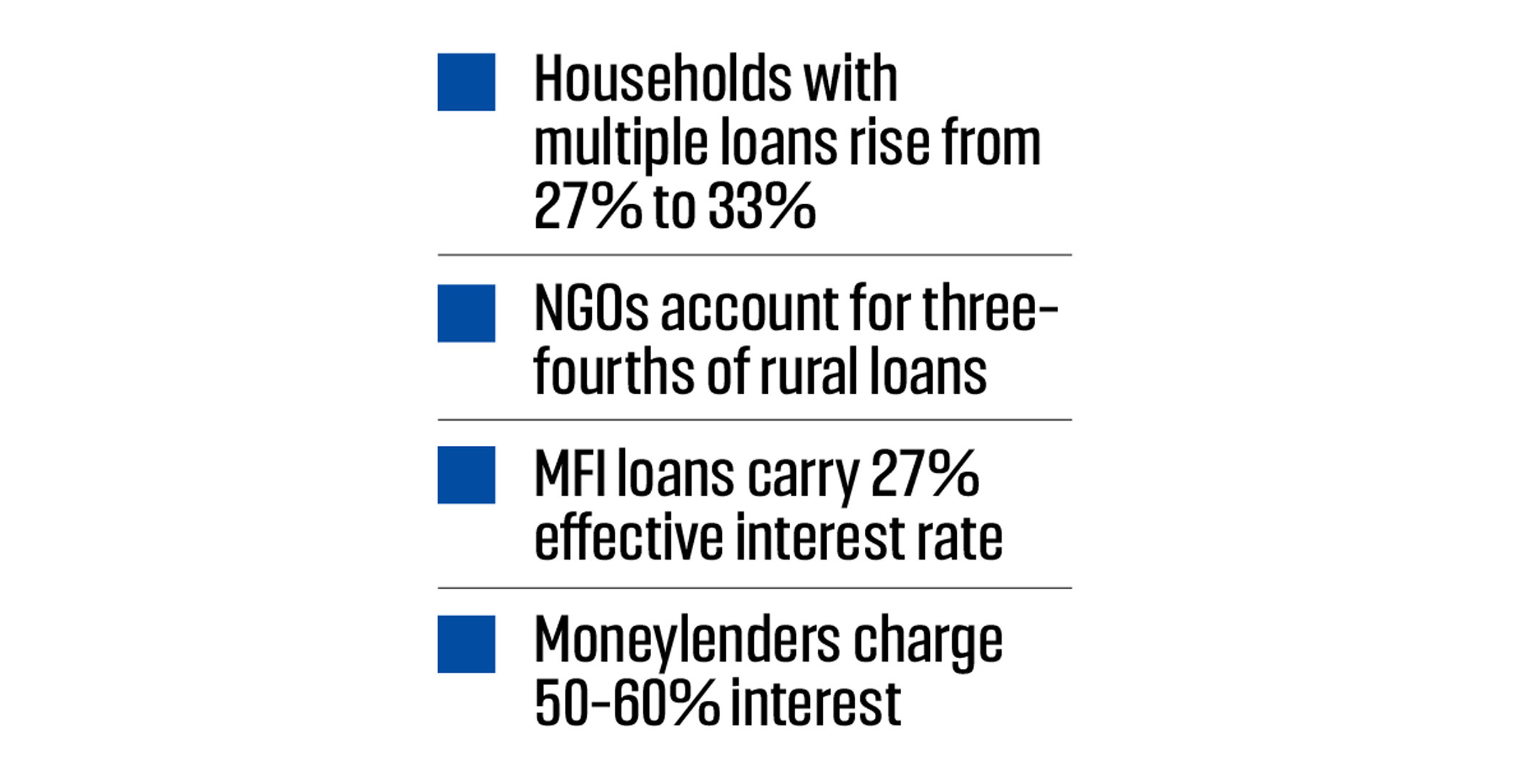
Experts have long advocated expanding formal banking services in rural areas to meet the substantial demand for credit through greater competition and an increased supply of affordable loans. Despite the growth of agent banking, formal banking services in rural areas remain limited, particularly in agricultural financing. Microcredit institutions have stepped in to fill the gap created by the absence or inadequate presence of commercial banks in the rural credit market. However, the interest rates charged by MFIs remain high, placing an excessive and often unaffordable burden on poor households.
We fully endorse the view expressed at the presentation of the research findings that borrowing costs must be reduced and that the Microcredit Regulatory Authority (MRA) should take the lead in pressing MFIs to bring them down. This requires urgent action and greater transparency in all charges associated with lending, including management costs, fees and the spread between deposit and lending rates. The government should also explore ways to ease the accumulated debt burden, including relief on accrued interest or partial loan write-offs. Such measures deserve consideration, especially given the relief and concessions extended to large defaulters in the trade and industrial sectors. Poor borrowers should not be denied comparable consideration when they are struggling under the weight of unsustainable debt.

Unfortunately, the BIDS study did not examine the wider consequences of mounting debt on the lives of poor borrowers. Such an assessment could have provided policymakers and other stakeholders with a stronger basis for debating possible remedies. Research institutions should therefore investigate the economic and social effects of indebtedness on individuals, families and communities. The findings should also prompt a broader review of the role of MFIs and an honest reassessment of why their lending activities have fallen short of delivering the intended improvements in the lives of millions of poor people.
 For all latest news, follow The Daily Star's Google News channel.
Comments