


An exit that ends uncertainty
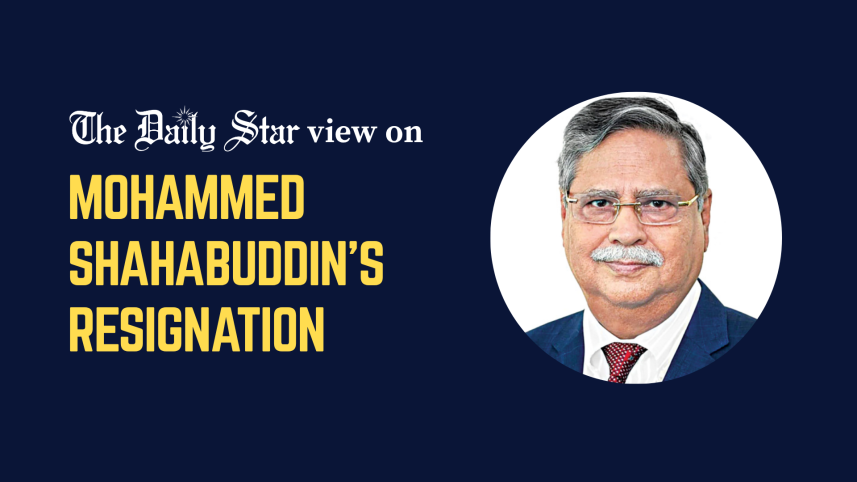
The resignation of Mohammed Shahabuddin, the 22nd president of Bangladesh, has closed yet another chapter in the country’s protracted saga of transition that began with the July uprising, followed by the downfall of Sheikh Hasina’s Awami League, the establishment of the interim government, and finally a fair and mostly participatory election that brought the BNP to power. Despite the controversies surrounding him during this period, it must be acknowledged that Shahabuddin, by and large, has been able to discharge his constitutional duties; whether he did so willingly or not is perhaps a separate argument. As a result, the fact that he has been allowed a dignified exit, despite some pressure for his impeachment, is a relief for many people.

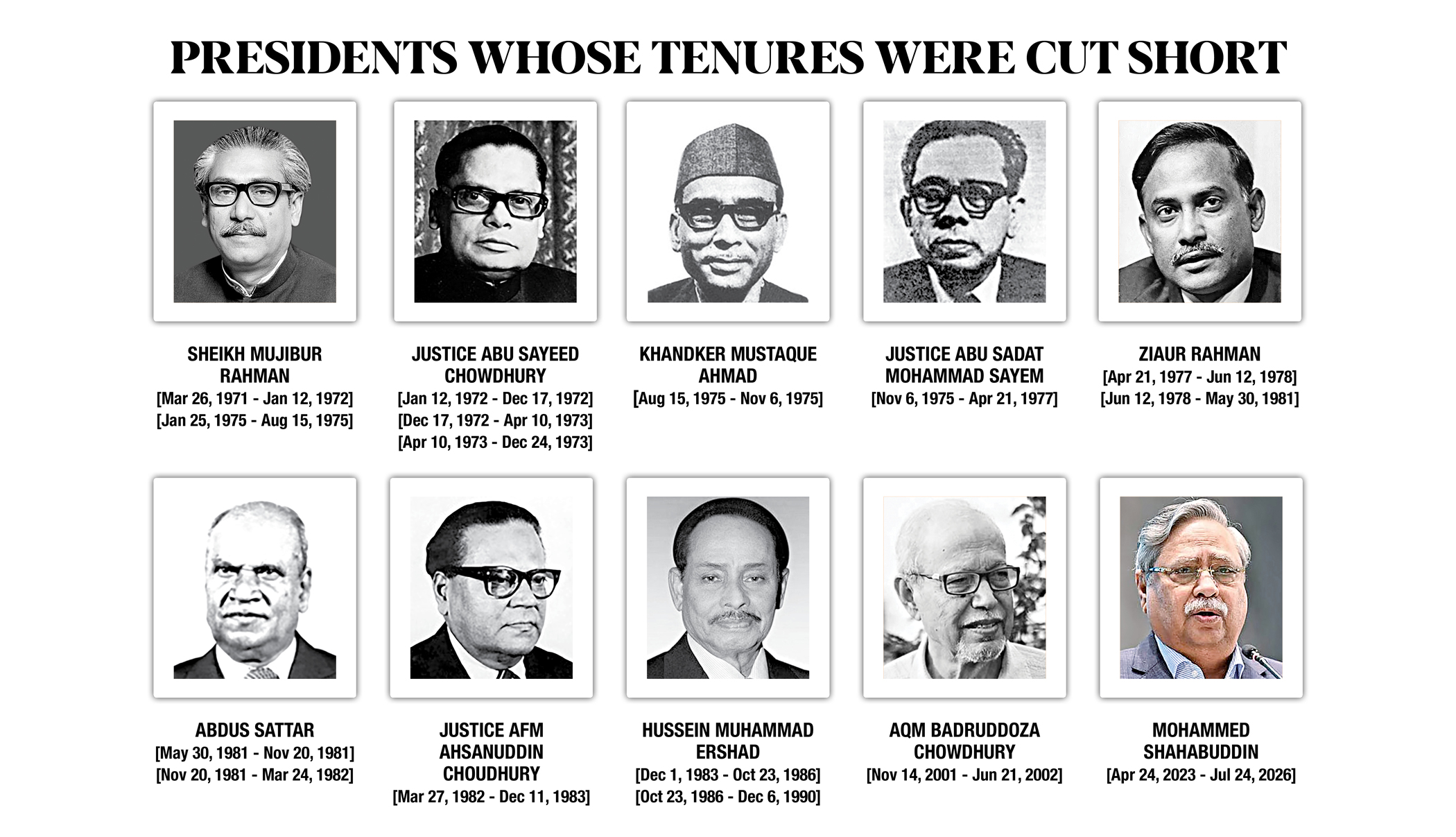
At a time when the country has been grappling with inflation, energy crisis, floods, and a measles outbreak, his resignation avoids an unnecessary political spectacle. It also clears the way for a less time-consuming constitutional process to elect a new president with no attachment to the ousted regime. A government seeking to establish an image of stability is more likely to prefer such an exit, and this is reflected in remarks by BNP high-ups. Referring to Shahabuddin, Speaker Hafiz Uddin Ahmad, who assumed duties as acting president under the constitution, said: “Although he was elected during the tenure of the mafia government, he has always expressed support and respect for the new government currently elected by the votes of the people.” Meanwhile, Home Minister Salahuddin Ahmed said Shahabuddin “deserves praise for the important role he played from August 5 to 8, 2024, before the interim government was formed.”
Nevertheless, he did not receive a similar farewell from parties in the opposition alliance. While Jamaat-e-Islami did not spare any positive remarks, it also did not call for Shahabuddin’s arrest, as the NCP did. Of course, under the law of the land, a person can be investigated and brought to justice if there are specific criminal charges or allegations of corruption against him. Holding a former office does not grant anyone special privilege under the law. However, association with a political party, even if it is banned, does not automatically make someone a criminal. That is not justice; it is political retribution. Political parties that emerged from the July uprising are expected to reject such a culture.
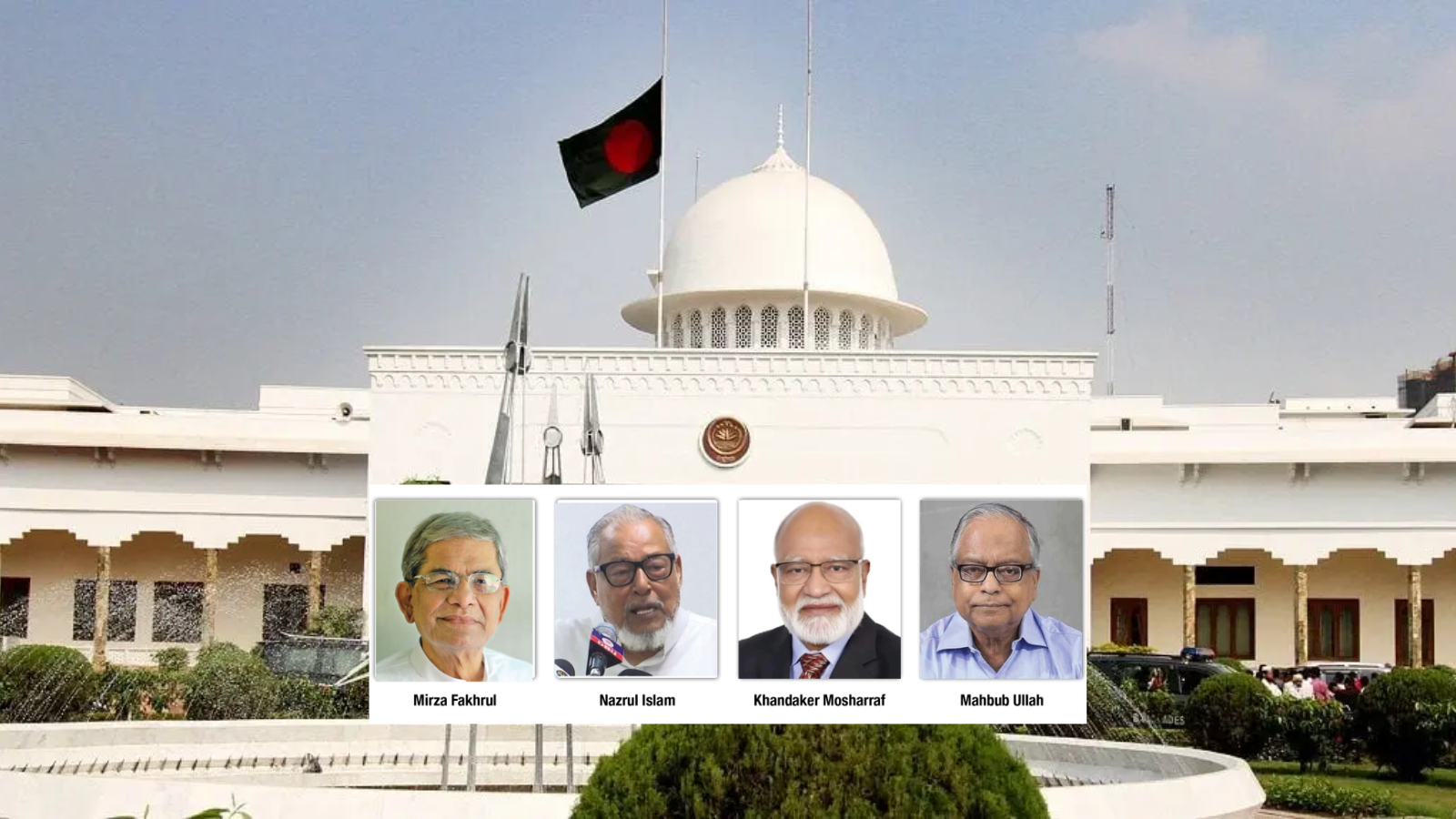
Meanwhile, reports suggest that the BNP is already considering nominees for the presidential post. As the Election Commission prepares to announce the schedule for the presidential election, we expect all political parties to extend their support so that MPs can vote freely and uphold the reform aspirations of the uprising. Although the role of a president is largely ceremonial, it remains imperative to elect a figurehead with broad acceptability across the political spectrum. Shahabuddin’s three-plus years in office, which coincided with one of the most turbulent periods in our history, serve as a reminder of why broad political acceptability matters even for a ceremonial head of state.
 For all latest news, follow The Daily Star's Google News channel.
Comments