


Consumers paying the price for lax LPG monitoring
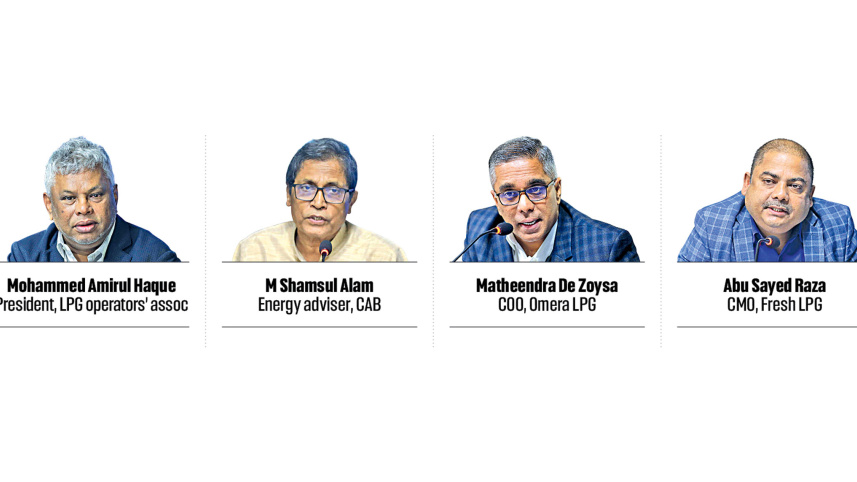
Consumers are paying Tk 400 or more than the government-set rates for a cylinder of liquefied petroleum gas (LPG), as weak market monitoring allows retailers to overcharge, according to local LPG operators.
Amid recent price hikes and supply shortages of cooking gas in the domestic market, private operators said they could neither monitor every retail outlet nor reasonably ensure that retailers are charging customers the approved prices. Instead, the government should direct local administrations and law enforcement agencies to crack down on overcharging, they said at a dialogue at The Daily Star Centre yesterday.

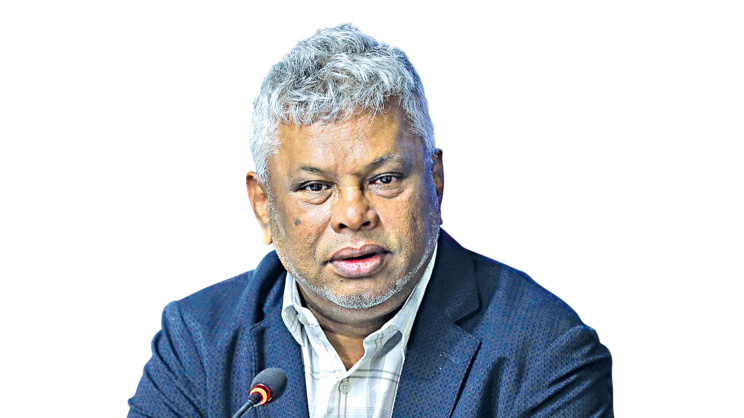
We cannot monitor every retail outlet. Local administrations, law enforcement agencies and consumer rights authorities must act against sellers charging above the government-set prices.
Representatives of the LPG Operators Association of Bangladesh (LOAB) and the Consumers Association of Bangladesh (CAB) attended the event, titled “LPG Crisis, Price Volatility and Consumer Rights”. It was the seventh episode in The Daily Star’s “Business and Beyond” series.
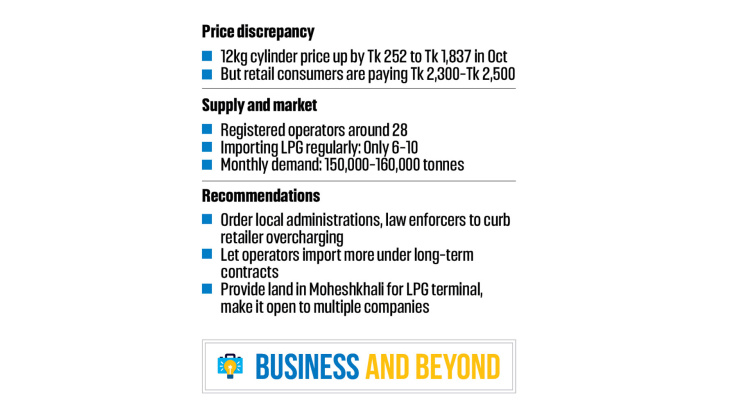
In the first week of this month, the Bangladesh Energy Regulatory Commission (BERC) raised the official price of a 12kg cylinder by Tk 252, from Tk 1,585 to Tk 1,837. But consumers in major cities are paying up to Tk 2,500 a cylinder, well above the government rate.
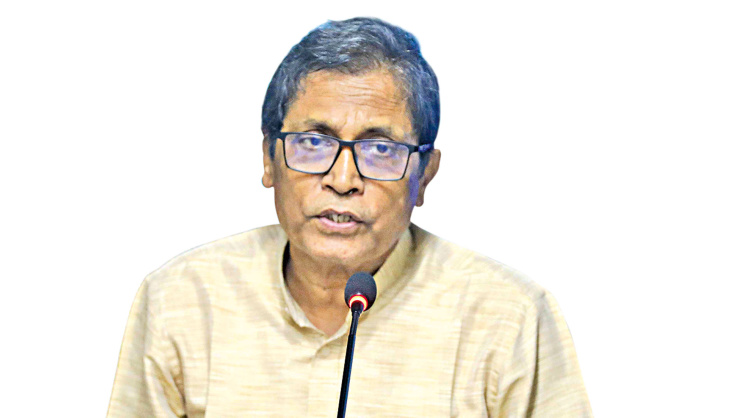
BERC should have used its formal dispute-resolution process. Failing to address such complaints leaves distributors caught between supplier prices and mandated retail rates.
“It is not possible for operators to monitor every retail outlet across the country,” said Mohammed Amirul Haque, president of the operators’ association.
The latest increase in household energy costs comes as stubbornly high inflation has been eroding the purchasing power of low-income people for around four years. Global energy supply disruptions and price volatility caused by the conflict in the Middle East have added to the pressure.
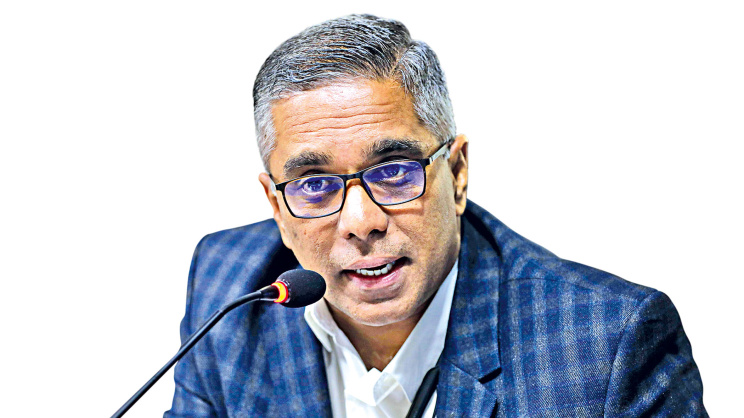
Consumers are paying 30-40 percent above BERC-approved prices, although we sell at the regulated rates. Operators have limited control over the final retail prices.
Amirul said local administrations, law enforcement agencies and consumer rights authorities should take action against retailers charging more than the government-approved prices.
Explaining the operators’ role in the supply chain, he said they are responsible for importing, bottling and marketing LPG.
“Many small retailers do not require licences to sell limited quantities of LPG cylinders. So, it is difficult for operators to monitor their activities,” he said.
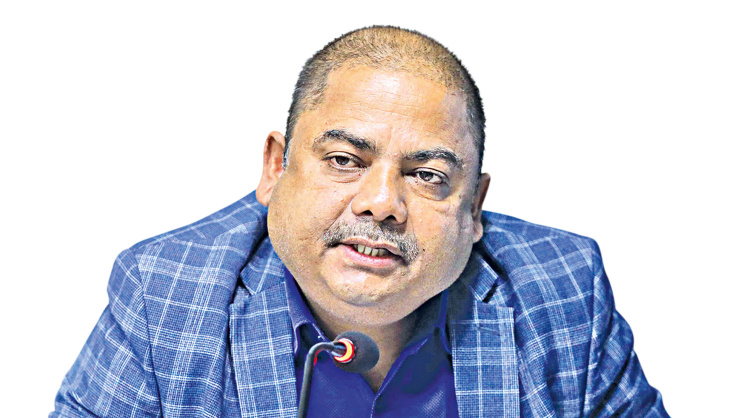
We sell cylinders to distributors at government-set rates; overcharging happens further down the supply chain. Only about
+10 of 23 operators imported LPG last month.
Amirul added that LOAB issued a press release in September warning operators, distributors and retailers against hoarding and price manipulation. He urged the authorities to take legal action against anyone found selling LPG above the approved prices.
At the discussion, the participants cited several reasons for the supply crunch, including volatility in international markets, the limited number of active importers, restrictions on import volumes and, more recently, the Bangladesh Petroleum Corporation’s decision to import LPG itself.
Amirul, however, said there have been no updates on the BPC imports after its announcement.
Abu Sayed Raza, chief marketing officer of Fresh LPG, said operators are selling cylinders to distributors at government-approved rates, but overcharging is occurring further down the supply chain.
He questioned whether the margins set for distributors and retailers, at Tk 50 and Tk 100 respectively for a 12kg cylinder, are sufficient to cover their operating costs. However, he said this does not justify charging consumers above the approved price.
Abu Sayed said only around 10 of Bangladesh’s 23 LPG operators imported the fuel in the previous month, leaving much of the country’s storage capacity unused.
Bangladesh has storage capacity of about 178,000 tonnes, against estimated monthly demand of 150,000-160,000 tonnes, he added.
 For all latest news, follow The Daily Star's Google News channel.
 He attributed the decline in imports to inactive operators, saying years of price competition have weakened some companies’ ability to continue importing LPG. With fewer companies bringing in cargoes, the sector’s storage and bottling capacity may remain underused even as consumers struggle to find cylinders at regulated prices.
Stevan Matheendra De Zoysa, chief operating officer of Omera LPG, said only six to eight of the country’s 27-28 registered operators have imported cargoes in recent months because geopolitical disruptions have made supplies harder to secure.
“Consumers are paying 30-40 percent above BERC-approved prices, although Omera is selling at the regulated rate,” he said. “Operators have limited control over the final retail price.”
The shortage of liquefied natural gas (LNG) has also increased demand for LPG in industry recently, with consumption rising from around 15,000-16,000 tonnes a few months ago to 30,000-32,000 tonnes, Zoysa said.
He said the shift by industries to LPG, along with higher autogas consumption, had pushed up demand, while import volumes have not increased at the same pace.
Matheendra added that, apart from regular importers, most registered operators have lost the capacity to import LPG, further affecting supplies.
Meanwhile, LOAB President Amirul said volatility in international markets and disruptions to supply routes have made it harder to secure cargoes at predictable prices.
He urged the government to allow operators to increase import volumes so they could secure long-term supply contracts instead of relying on the more expensive spot market.
Some operators are paying premiums of around $320 per tonne in the spot market, compared with about $95 under long-term arrangements, Amirul said.
He said operators sought permission to increase their import volumes under the interim government but faced restrictions that prevented them from committing to longer-term purchases.
The operators have also called for land at Moheshkhali to develop terminals, saying that greater storage and import capacity would improve supply security. Amirul urged the government to make such facilities available to multiple companies rather than concentrate the infrastructure in the hands of a single operator.
The industry’s explanation of supply constraints and retail overcharging drew criticism from M Shamsul Alam, energy adviser to CAB, who questioned BERC’s role in setting prices and addressing complaints.
Shamsul said BERC should have investigated the complaints through its formal dispute-resolution process rather than allowing the dispute to deepen.
He argued that failing to address such complaints leaves distributors caught between the prices charged by suppliers and the rates they are expected to maintain at the retail level.
He also alleged that a handful of companies dominated LPG imports. Citing a report submitted to the government, he said it has reportedly identified five firms as major suppliers and called for an investigation into possible supply restrictions.
Arun Devnath, deputy editor of The Daily Star, moderated the event. The newspaper’s consulting editor, Kamal Ahmed, was also present.
Comments