


Develop a state-led elderly care system
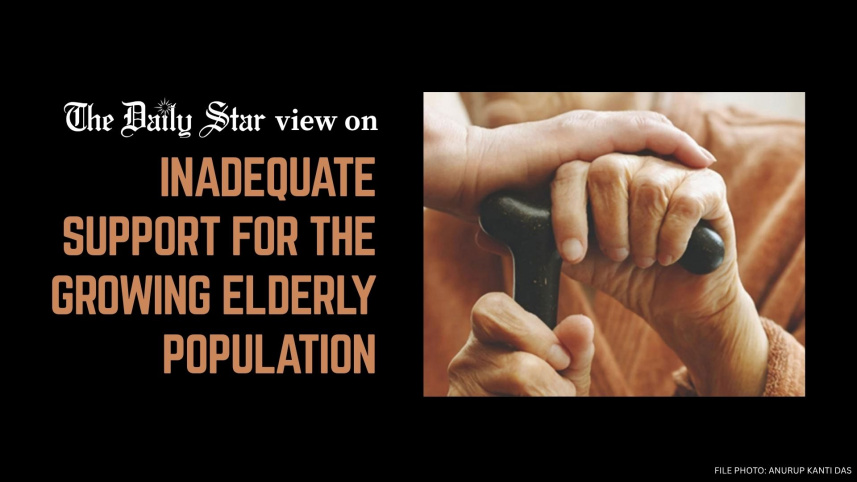
It is frustrating to see how our health system is always playing catch-up in planning and providing specialised services for different age groups. We already know about the country’s growing elderly population. The warnings came in the Bangladesh Demographic and Health Survey 2022, published two years ago: the share of the population aged 60 years and above had risen by 4.7 percentage points between 1989 and 2022. And yet, more than two years later, eight government-run facilities for seniors, built between 2021 and 2024, remain non-operational due to staff shortage. This raises the question: is Bangladesh truly prepared for the 2030s when the number of people aged 65 and above will exceed the number of children aged five and under?

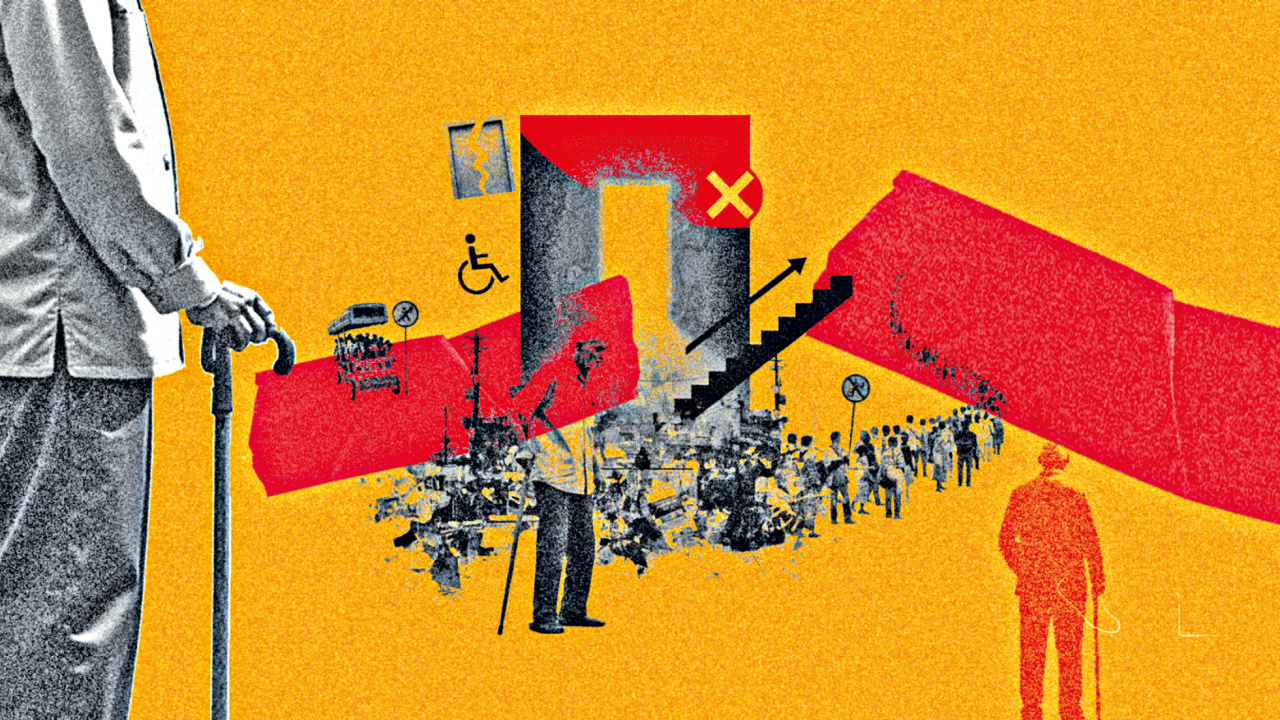
Based on media reports that quoted experts and provided sporadic data—because comprehensive official national data remains absent—the answer to that question appears to be negative. One report by this daily, quoting a geriatric care advocate, mentions that there are about 100 private and NGO-run homes for the elderly in the country, collectively housing 1,000 to 1,500 residents. In other words, the country currently has the capacity to provide shelter to only 0.009 percent of the elderly population, based on the World Health Organization’s 2024 estimate of that demographic. While most elderly in Bangladesh are still cared for and supported by their families, the shift in our economic and social structure and increased life expectancy are changing that. Many children live abroad or away from home, and nuclear families often cannot accommodate an elderly member. Furthermore, the high cost of living and even higher out-of-pocket healthcare expenditures make it difficult, if not impossible, for an individual to look after their parents and grandparents.
This is where the state must step in. But so far, what it has done is grossly inadequate. The monthly Tk 700 old age allowance covers only 62 lakh seniors. Now, compare the allowance to the price of a 10 ml insulin vial (that can safely last 28 days), ranging between Tk 195 and Tk 1,004. The irony is, most seniors suffer from diabetes, hypertension, and cardiovascular diseases. For the majority of the elderly populace, the treatment cost of these diseases is unaffordable. Yet, there is no public health insurance coverage for the elderly, and most public hospitals don't even have any dedicated geriatric service.
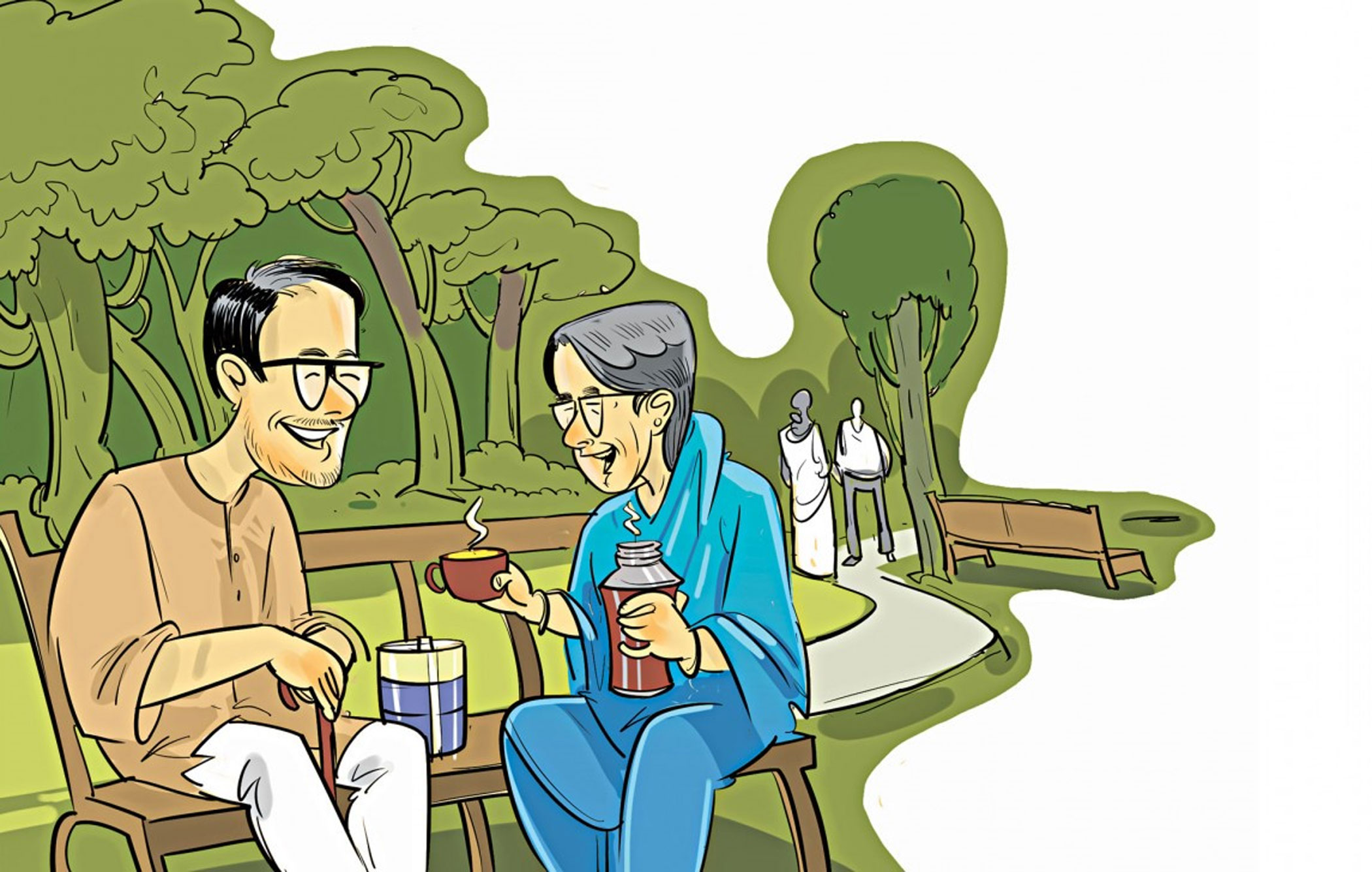
In these circumstances, the government’s plan to develop a comprehensive elderly village with accommodation, skill development training, livelihood activities, and healthcare facilities in each district town is a welcome initiative. However, this plan must not result in a mere cluster of buildings lacking staff or caregivers, similar to the existing state-run old age homes. The government must develop a planned, state-led elderly care system that focuses on comprehensive geriatric care, including proper old homes, trained caregivers, health insurance, volunteer networks, and dedicated services at public hospitals.
 For all latest news, follow The Daily Star's Google News channel.
Comments