


Fiction / Sahara
29 August 2026
•
Fiction
I have not eaten today. Not on purpose. I will eat later. I simply have not thought of it yet.
Poetry / The finality of nostalgia
29 August 2026
•
Poetry
Poetry / Dinner time and death
29 August 2026
•
Poetry
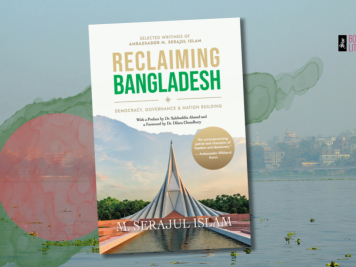
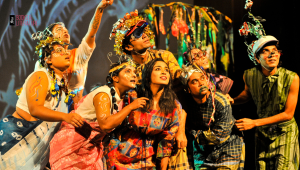
Literary Curtains / Patriarchy inversed: Reimagining Rokeya’s Ladyland in 2026
23 August 2026
•
Books & Literature

Book Review: Fiction / A novel of radical softness
20 August 2026
•
Books & Literature

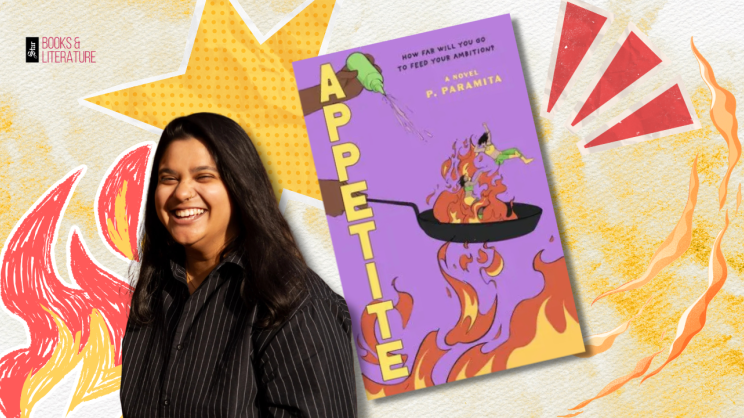
BOOK REVIEW: FICTION / Cooking up heat
20 August 2026
•
Books & Literature

Event Report / In Transit: The Third Annual Slam Poetry at North South University
19 August 2026
•
News

Essay / Poet Shamsur Rahman’s drama translation: Eugene O’Neill’s ‘Marco Millions’
15 August 2026
•
Essay
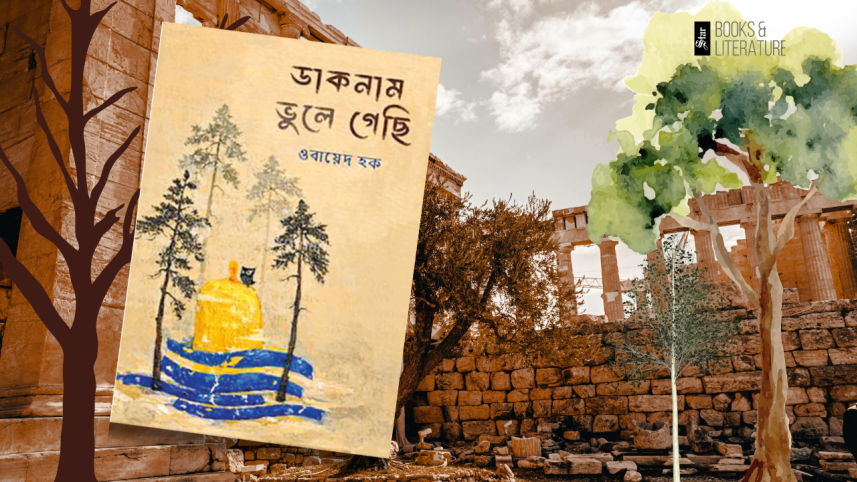
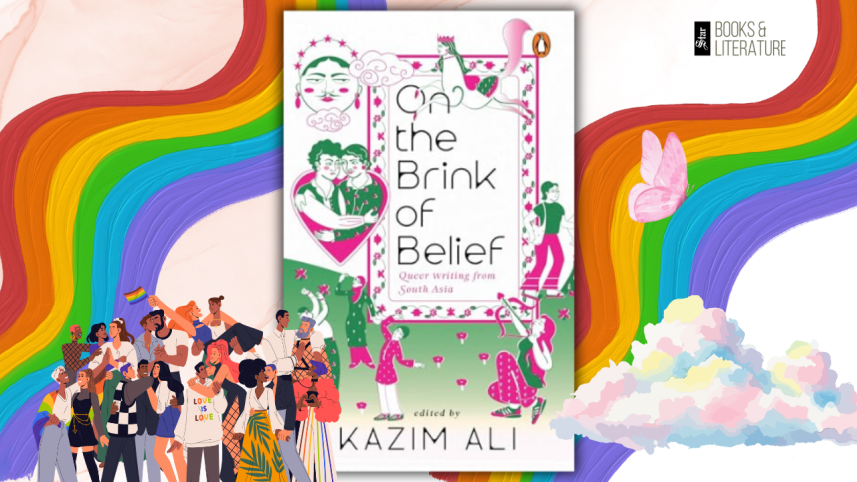
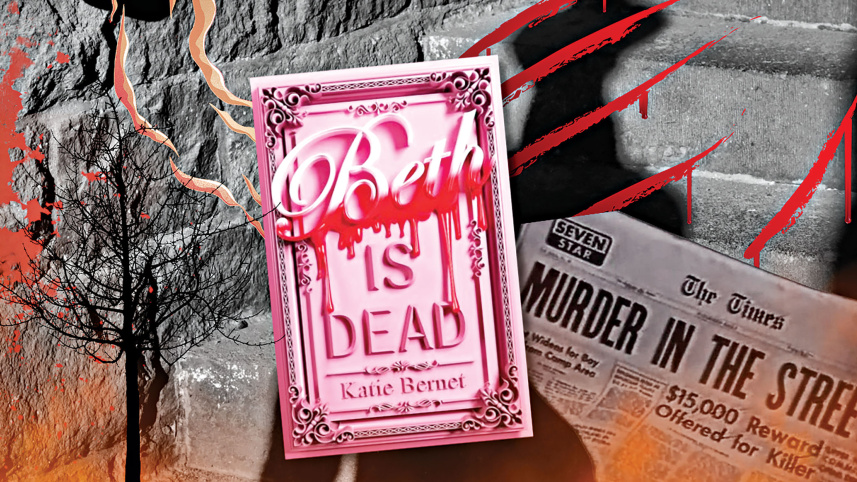
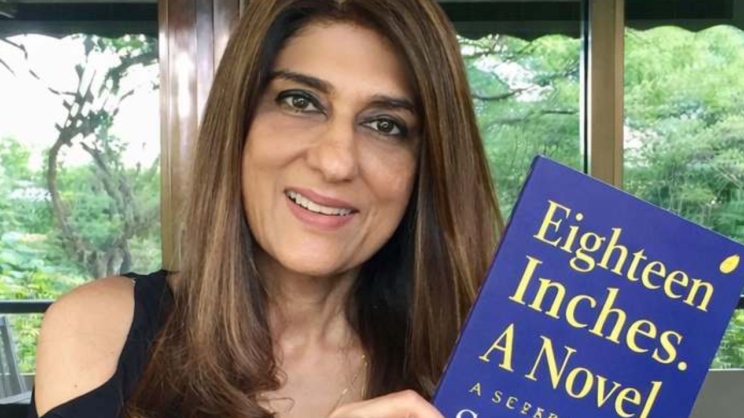
Interview / In conversation with Sonia Bahl: Author of ‘Eighteen Inches Apart’
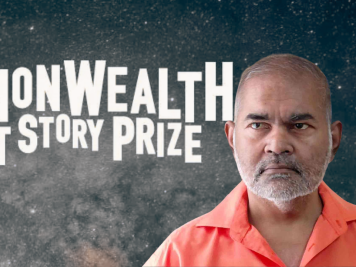
What becomes increasingly evident across Bahl’s three novels is her sustained fascination with the emotional significance of almosts and maybes.
Event Report / Letters across a lifetime: The 20th staging of Love Letters
21 June 2026
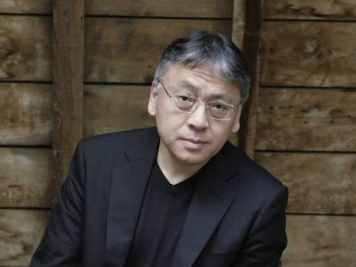
On June 19, 2026, the occasion was the 20th staging of “Love Letters”, A. R. Gurney’s Pulitzer Prize-nominated play, translated and adapted into Bangla by writer and translator Professor Abdus Selim. Directed by veteran theatre actor and director Tropa Majumdar and staged by Group Theatre at the Dr. Nilima Ibrahim Auditorium, the production brought together the acting power couple, Ramendu Majumdar and Ferdausi Majumdar. Their performances transformed what could have easily been a simple reading of letters into something deeply intimate and profoundly human.
News Report / NSU DEML offers certificate course in creative writing for the second time
16 June 2026
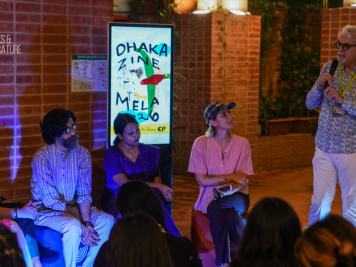
The Department of English and Modern Languages (DEML) at North South University is pleased to announce the second offering of its Certificate Course in Creative Writing, set to begin in Summer 2026. This innovative seven-week intensive program is designed to cultivate the next emerging literary voices by providing a structured, mentor-led environment that emphasises Bangladesh’s rich cultural narratives.

The shelf / 7 Asian healing fiction recommendations for rainy days
18 June 2026
•
The Shelf
You know when the sky trades its brightness for a low, silver hue, and you wrap your fingers tightly around your tea, seeking that small, steady pulse of warmth. This is the essence of healing fiction. Often rooted in the Japanese concept of iyashikei, these stories focus on the quiet spirit through small, everyday moments. You may have already heard of Days at the Morisaki Bookshop or We’ll Prescribe You a Cat. While those popular favourites have opened a door for many, there are a few other tales worth the read.
Reflections / In the age of AI allegations
13 June 2026
Fiction / Body Selim
18 April 2026

Enslaved
My body is not my own.
12 March 2021

The Anarchy: The East India Company, Corporate Violence, and the Pillage of an Empire
Here is a door stopper for the lingering period of hibernation. All 522 pages provide ample literary support for long-term homebound inmates.
12 March 2021

The case of the missing girl: Where are we in Bangla children’s literature?
It wasn’t until my 20s that I realised I had read less than 10 Bengali women authors in my childhood and adolescence.
10 March 2021
Women and Bangladesh's publishing industry
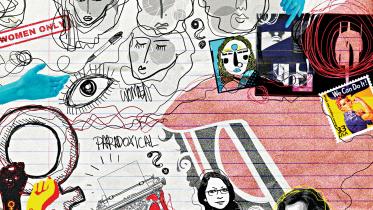
The publishing and literary world in Bangladesh have considerable visibility of women: some are authoritative figures in the literary and academic world, some run their own establishments and bookshops; others occupy senior positions in many of the local publishing houses and literary committees. However, like the systems and society we currently operate in, this industry is also influenced by the larger patriarchal structure.
10 March 2021
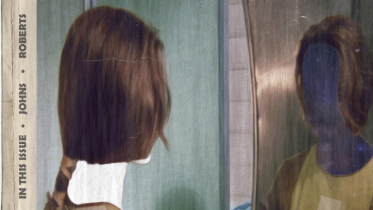
Is science fiction really not a woman’s genre?
Last week, I decided to pen a tribute to my favourite authors of science fiction, a love letter, really, that has long been in the pipeline.
10 March 2021

Five novels with strong women protagonists
Hellfire is at once a book about patriarchy and the toxic strand of matriarchy that supports it. Through the lives of sisters Lovely and Beauty, both kept from socialisation and even attending school deep into middle age, the novel captures near perfectly the convoluted blueprint of life for South Asian women.
10 March 2021

Once More Into the Past: Essays, Personal, Public, and Literary
“How does Tagore intoxicate a growing young man . . . .? How has Dhaka transitioned through the Partition of Bengal and the birth of the University of Dhaka? . . . . how does one remember-- with nuance, with style-- icons of history and culture . . . .?”
5 March 2021

What Does It Mean to Write in an Everyday Life?
There is a paradox to literacy in our contemporary societies.
5 March 2021

What does it take to build a business empire?
Binod K Chaudhary, the chairman of the CG Corp Global conglomerate group, is Nepal’s first billionaire and possibly the most successful industrialist in his nation.
4 March 2021

Conservation through literature
The River Tales (2021) is a series of graphic novels for children, commissioned by Asia Foundation’s ‘Let’s Read Asia’ digital library project and produced by HerStory Foundation in an effort to raise awareness about Bangladesh’s heritage and culture. Sarah Anjum Bari, editor of Star Books, speaks to Katerina Don, curator at HerStory Foundation, writer Anita Amreen, and artist Sayeef Mahmud about their processes of research, writing, and graphic designing for the series.
3 March 2021

Translation with a Midas touch
Abdus Selim, a noted Bangladeshi translator, playwright, essayist and educationist, has, of late, come up with a collection of five plays in Bangla translation titled Panch Manchanubad (Bangladesh Shilpakala Academy, 2021).
3 March 2021

Night has brought him something worse: 2021’s first must-read
“The thing was that everyone knew Julita’s parents hadn’t died in any accident: Julita’s folks had disappeared. They were disappeared. They’d been disappeared”.
3 March 2021

Bill Gates’ blueprint for a greener planet
Bill Gates, the co-founder of Microsoft and the world’s fourth-wealthiest person, has written a new book, How to Avoid a Climate Disaster (Knopf, 2021) in which he cites the looming catastrophe of radical global climate change and sets out an incredibly ambitious goal that he argues is the only possible path for our species’ survival: achieving zero.
3 March 2021
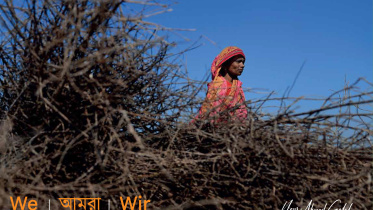
Together against the catastrophe
The 156-page hardback edition will be available in Bangla, English, and German.
2 March 2021
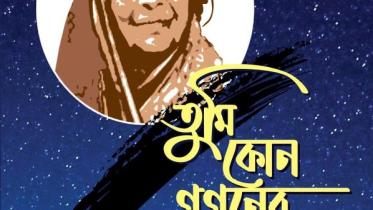
‘Tumi Kon Gogoner Tara’: In remembrance of a mother
A solemn tribute to mothers and to our nation’s unrelenting humanity, Hussain’s novel shows us the people and the Bangladesh we could more often be.
1 March 2021

Boibondhu book exchange festival takes place at Rabindra Sarobar
The event witnessed participation from people of all ages, from toddlers to adults.
27 February 2021

In Memoriam: Smaran and Palataka: Tagore’s Elegiac Poems
Tagore has remained ceaselessly relevant to us not just for his contributions to Bengali literature but also for issues relating to society, politics, gender, education and even environment.
26 February 2021

The Tree
Doctor Mahtab Uddin looked at the luminescent hands of his watch: 9 pm. Not that late, he thought and sat down on the circular cement platform not far from the patient’s house.
26 February 2021

Serajul Islam Chowdhury speaks about the state of Bangla education
Language and education are prime markers in identifying one’s participation in society and politics. Having just commemorated the International Mother Language Day on February 21, that too on the verge of our nation’s silver jubilee, it is perhaps a unique opportunity for us to question, reflect, and make changes to our politics on language, education, and social identities.
24 February 2021
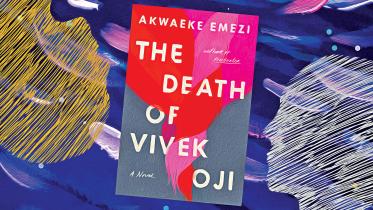
In death, he became visible
Vivek Oji, the titular character in Akwaeke Emezi’s second novel, is dead; this is stated in the title, the first line, and throughout the book. However, in every chapter, Vivek keeps coming alive, images of him rising out of the text’s surface only to dissolve again.
24 February 2021
Show in Mobile App
Off
Show Sub Category
Off
Show in Homescreen
Off