


Unveiling ‘The July Resolve': Stories of resilience & resistance
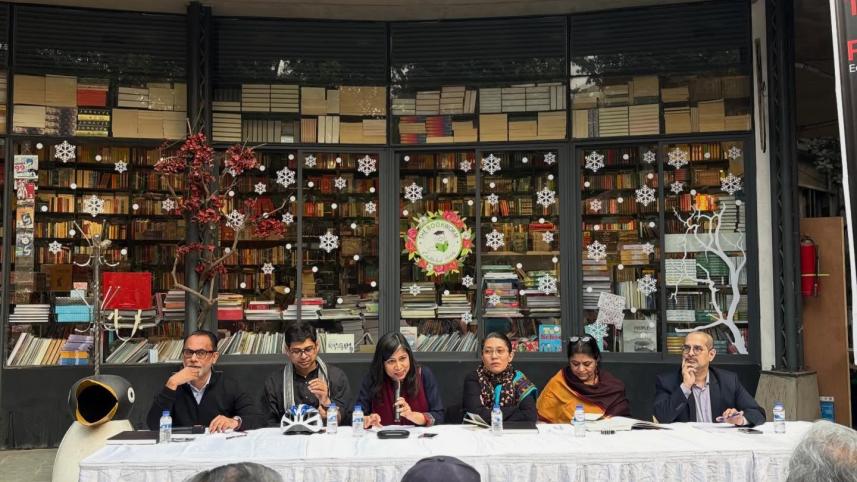
On the chilly afternoon of January 10, Bookworm Bangladesh, in collaboration with Voices Shaping Society, hosted the book launch of The July Resolve, a collection of 36 narratives that depicts the strength and struggles of people from all walks of life during the Monsoon Revolution of 2024. Under the shade of luscious trees, an enthusiastic audience gathered to listen to the thought provoking panel discussion that explored the conception of the book, edited by Rezwan Rahman, Chair of the Advisory Board of It's Humanity Foundation (IHF).


In her opening remarks, Amina Rahman of The Bookworm, welcomed all the guests for their warm attendance. Thanking the sponsors of the event, she introduced the panelists: advocate Sara Hossain; editor of Counterpoint, Zafar Sobhan; professor Dr Samina Luthfa; lawyer and activist Manzur Al Matin; editor of the book, Rezwan Rahman; and researcher Sohela Nazneen, who was to moderate the session.
Unveiling a copy of The July Resolve, Sohela Nazneen described the book as “a labour of love” that contains stories of July—ones we already know and ones we do not. She began the discussion by asking Rezwan Rahman to tell us about the book, who shared that in order to understand how the book came into being, we would have to go back to August 2024.
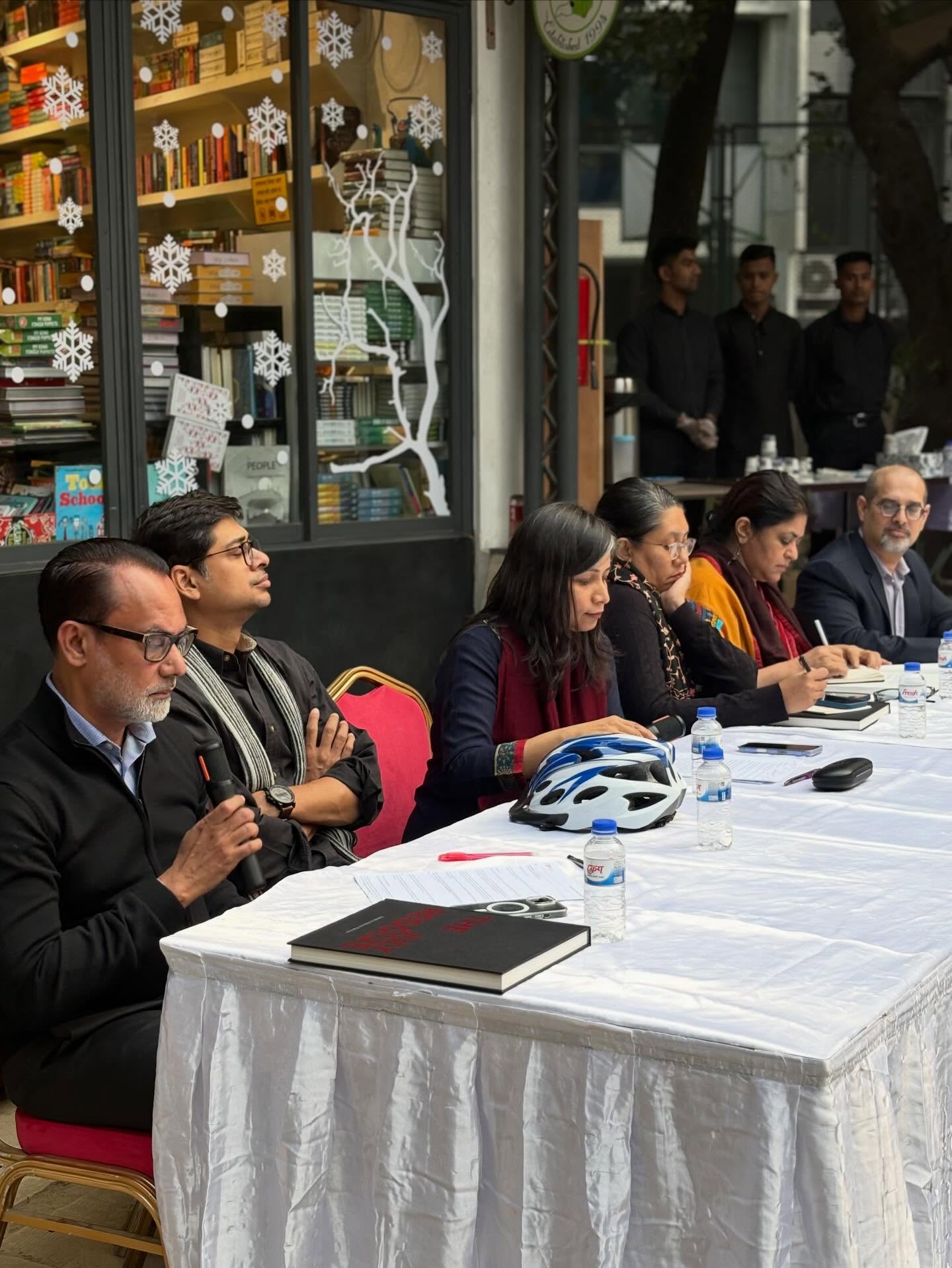
Rahman recounts the harrowing experience of visiting two government hospitals in Dhaka after the Uprising. With the aim of helping through IHF, they spoke to severely injured patients whose desire to speak moved Rahman and his colleagues. Rahman explained that even after everything the fighters had been through, they still wanted to tell their stories. When asked, “Why did you put your life in danger?” Their answers were unanimous: “for freedom.” Despite the physical and mental trauma they suffered, they still considered their sacrifice to be worth it.
Rahman discussed how after years of living under an oppressive regime, July reminded us of our inner strength and our history of resistance. He mourned the many lives lost in July, stating that the lives of many of those who survived were altered forever. He stated that “it is on their shoulders that we now stand and experience this fragile freedom. Freedom from indignity. And this book tells the story of those people.” Even though Rahman expressed a sense of disillusionment with the current predicament of the country, he emphasised that it does not take away from the significance of July or what we achieved. The July Resolve exists “so we do not forget those who paid the price”, Rahman underscored before yielding the floor back to Nazneen, who asked him to elaborate on how the 36 stories, one for each day of the uprising, were selected. 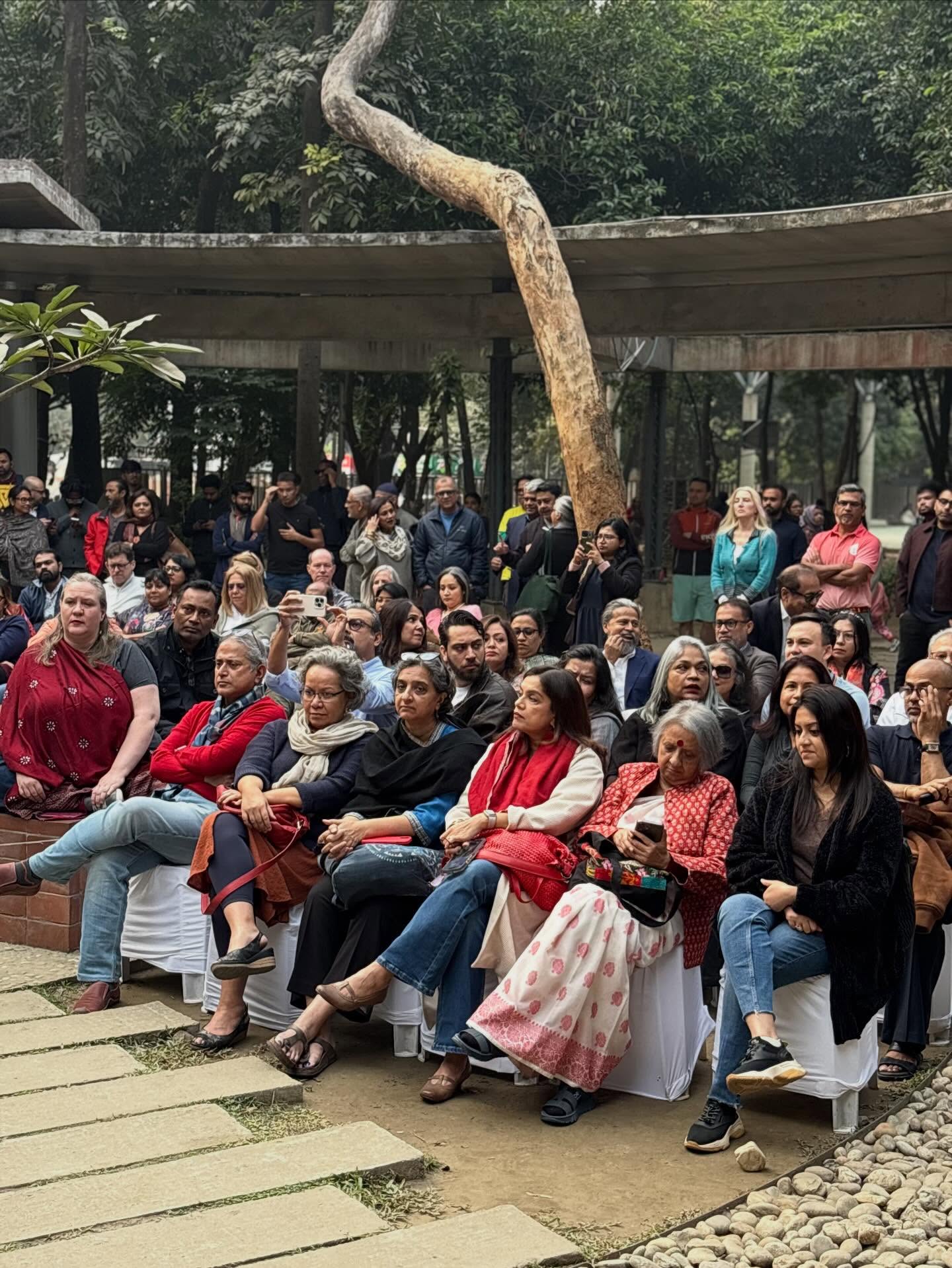
Following Rahman’s remarks, Nazneen requested Manzur Al Matin to share what it was like to recount the traumatic experience of July for the book. The discussion continued as each speaker provided insightful perspectives and elaborated on the significance of the book. Sobhan described the book as “a call for action,” while Hossain saw it as a reminder of the truth. Dr Luthfa explained how history connects to the present and that is why we need more books like this to tell the stories of those whose voices are silenced.
The event concluded with a question and answer session followed by closing remarks from Nazneen who reminded us that we should not despair; we should not lose hope. “Because if you lose hope, you have nothing, and The July Resolve is a collection that represents hope and aspirations”, she concluded.
Kashfia Nahreen is a passionate reader and an aspiring writer who spends her days cuddling with her cats.
 For all latest news, follow The Daily Star's Google News channel.
Comments