


Strengthening Bangladesh’s infrastructure through steel innovation

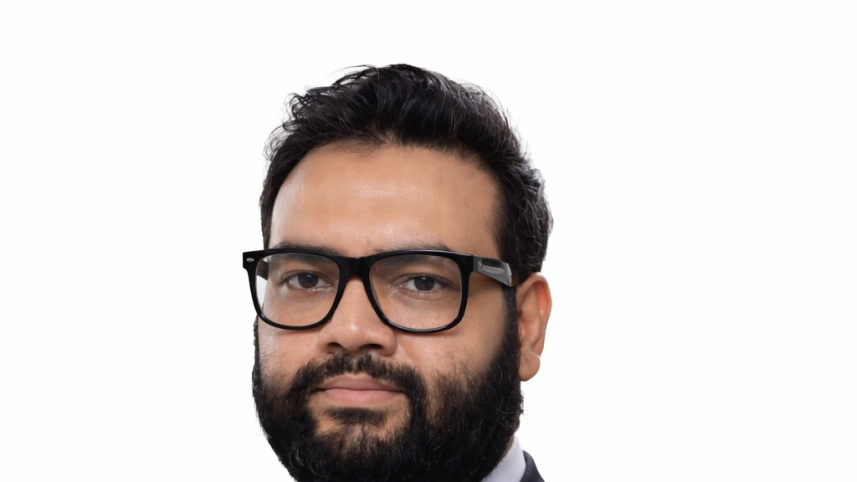
With an annual consumption rate of 7.5 to 8 million metric tonnes, the steel industry serves as a primary pillar of Bangladesh’s infrastructure. In this insightful interview, Engineer Maruf Mohsin, Executive Director of Rahim Group and Vice President of Bangladesh Steel Mills Association (BSMA), discusses the sector's resilience amidst global geopolitical crises. As both a seasoned businessman and an engineer, Maruf outlines a strategic roadmap for the industry, emphasising the need for vertical urban growth, energy-efficient manufacturing, and a self-reliant supply chain to ensure consistent national development.
The Daily Star (TDS): How would you describe your company’s core mission and its evolution over the years?

Maruf Mohsin (MM): We have been part of this industry for generations. Our vision has always been to remain a pioneer in every sector we enter, particularly in steel and its vital backward linkages. Our mission is centered on delivering the right product at the right time and place to achieve total customer satisfaction. This is achieved through continuous process improvements in production capacity and quality, ensuring that our growth remains sustainable and aligned with international standards.

TDS: As both a businessman and an engineer, what opportunities do you see in Bangladesh’s construction sector?
MM: We should look at Dubai as a benchmark for scaling infrastructure with limited resources. In Bangladesh, we are blessed with water and fertile land, but we face a massive population with limited land mass. Therefore, we must shift toward "vertical thinking" rather than horizontal expansion. To boost economic stability, the government and industry leaders must work together to decentralise Dhaka by establishing more industrial and economic zones across the country.
TDS: How does Sonargaon Steels contribute to the larger industrial ecosystem?
MM: Our contribution is built on sustainability and consistency. We promise that a product purchased today will meet the same high-quality standards as those bought by the next generation in 30 years. This reliability is vital for national infrastructure safety. Internally, we instill a sense of ownership across all management levels, which helps in creating skilled manpower and generating employment. By utilising local manufacturers alongside imported materials, we are fostering a self-reliant economic ecosystem.
By integrating backward linkages and adopting green technologies, Sonargaon Steels ensures structural safety while advocating for vertical urban growth and decentralisation to maximise Bangladesh's limited land resources.
TDS: What are the current consumer expectations regarding quality, pricing, and supply chain management?
MM: Historically, the primary concern was expenditure. However, I am observing a significant shift, especially among the younger generation, toward quality certifications and safety standards. Because market information is now easily accessible, transparent and competitive pricing is essential for maintaining customer trust. While the government has managed to keep the supply chain stable with minimal load shedding, a fair taxation policy remains necessary to keep products affordable for the mass market.
TDS: How important is innovation to your business, and what new technologies are needed in this sector?
MM: For a developing nation, innovation is the key to thriving. We have achieved 80% self-sufficiency in backward linkage products, including tundish ports, industrial oxygen, and chemicals. Recently, we introduced eco-friendly products like hollow blocks and bricks. We are also optimising energy efficiency by integrating solar energy and harvested rainwater into our production. The broader construction industry must now accelerate the adoption of modern technologies to use traditional setups more efficiently.
Our promise is that the product you take today, and the product your grandchildren take in 30 years, will ensure the same highest quality production standard.
TDS: What are the most pressing challenges facing the industry today?
MM: The increase in electricity and gas prices is a major hurdle; our production costs have risen by 15% to 18%, which inevitably leads to higher market prices. We fear this may slow down consumption. Additionally, the 30% devaluation of the Taka and the ongoing logistics and dollar crises are significant challenges. These factors create a difficult environment for the country’s overall economic ecosystem.
TDS: How do you balance affordability with premium quality?
MM: We focus heavily on operational efficiency. By keeping production costs as low as possible through responsible resource management, we can pass those savings on to the consumer without compromising quality. Our goal is to deliver long-term structural value rather than focusing on short-term price fluctuations.
TDS: What are your expectations of the government to ensure future growth?
MM: The government must address the price hikes of essential commodities like electricity, gas, and oil with a proper impact assessment to ensure industries can survive this economic turnover. Future policies should focus on increasing the per capita consumption of steel and implementing a fair, mass-oriented taxation system. Finally, it is crucial that industry representatives and consumers are included in the policy-making forums to create a balanced economic environment.
 For all latest news, follow The Daily Star's Google News channel.
 Interview conducted by Samia Chowdhury
Comments