


Overcoming challenges to redefine urban housing

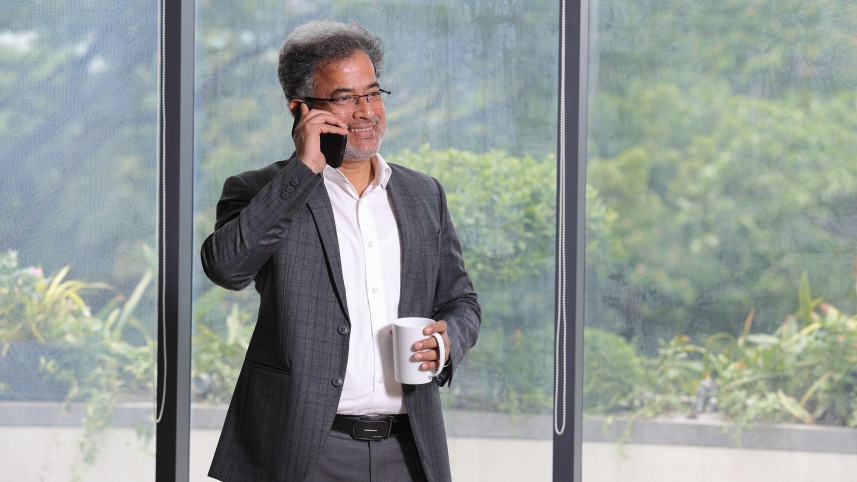
Real estate is a primary driver of national development, directly influencing the living standards of a country’s citizens. Since its inception in 2016, Credence Housing Limited has focused on delivering a fulfilling lifestyle through architectural innovation. In this insightful interview, Zillul Karim, Managing Director of Credence Housing Limited, discusses the evolution of the housing market, the impact of the Detailed Area Plan (DAP), and why vertical expansion is the only sustainable path for a land-scarce nation like Bangladesh.
The Daily Star (TDS): How has your company’s core mission evolved since you began your journey?

Zillul Karim (ZK): When we started Credence in 2016, our aim was clear: to provide clients with more than just a structure but a fulfilling lifestyle. Over the years, this mission has evolved to incorporate a deeper commitment to reliability, punctuality, and transparency. In an industry where trust is paramount, we strive to satisfy stakeholders through every stage of development—from futuristic design and high-quality implementation to the final workmanship. We view every project as a commitment to innovative architectural solutions.
TDS: What are the most significant opportunities currently present in the real estate and construction sectors?
ZK: The sheer scale of the housing deficit represents our greatest opportunity. Bangladesh is home to nearly 200 million people, yet in Dhaka, only about 10% of the population own their homes. This leaves a staggering 90% of the market untapped. If we can categorize housing to align with various economic segments, we can eventually realize the dream of a well-planned city. However, capturing this opportunity requires long-term visionary planning and robust government support.
TDS: How does Credence contribute differently to the broader housing ecosystem?
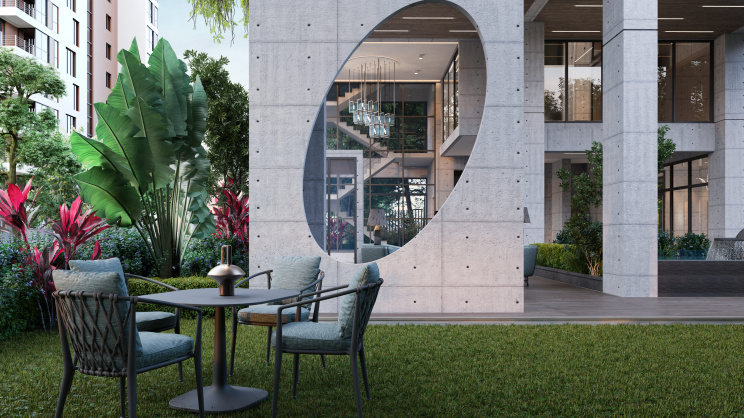
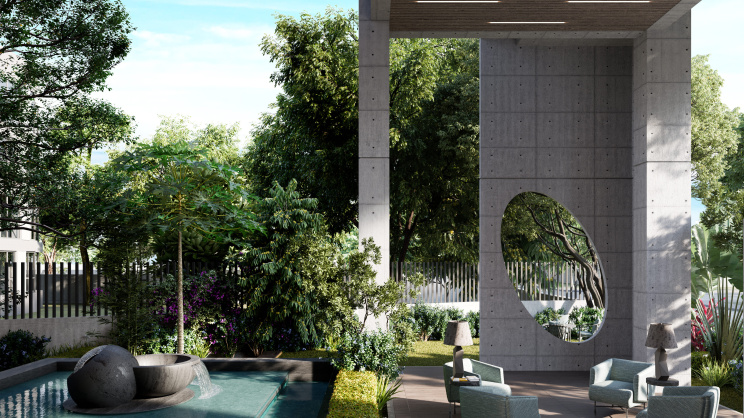
ZK: In an overpopulated country where green space is rapidly vanishing, we prioritize environmental feasibility. We recognize that trees are being cut down daily for infrastructure; in response, we integrate significant greenery into our projects to ensure they remain breathable. Beyond the environment, our design philosophy focuses on maximizing usable space and incorporating modern innovations. We aim to create housing that is both technologically advanced and ecologically responsible.
TDS: What trends are currently shaping buyer expectations in terms of quality and sustainability?
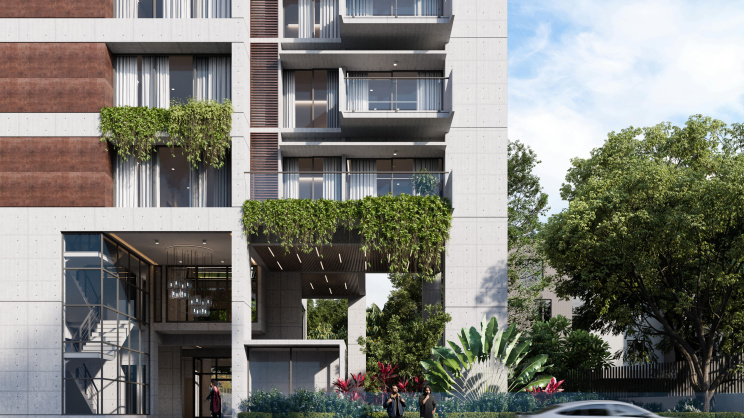
ZK: We are witnessing a profound shift in consumer maturity. Buyers today are extremely well-informed and prioritize comfort, aesthetics, and safety. There is a growing demand for "open" apartment concepts—designs that ensure a natural flow of light and air. People are no longer satisfied with standard layouts; they want kitchens, bathrooms, and living areas to be intelligently located. This move toward open, sustainable living is largely influenced by global architectural trends.
By prioritising eco-friendly designs and architectural innovation, Credence Housing Limited addresses the urban housing deficit while advocating for vertical expansion and decentralisation to ensure sustainable national growth.
TDS: How central is innovation to your business model?
ZK: Innovation is essential for survival in a resource-limited country. To provide real value, one must be innovative in planning and design. At Credence, we treat every project as an opportunity to improve. By introducing futuristic elements and sustainable development goals into our blueprints, we ensure that our buildings remain relevant and safe for decades to come.
TDS: What challenges are currently posing the greatest threat to the growth of the industry?
ZK: The implementation of the Detailed Area Plan (DAP) since 2022 has been a major hurdle. It significantly restructured zoning laws, which unfortunately resulted in a decrease in allowable construction areas. This has made landowners less interested in partnering with developers. We have been advocating for a middle ground for nearly four years. Because Bangladesh is geographically small with a massive population, we simply cannot afford to grow horizontally. We must grow vertically. Currently, the lack of permission for widespread high-rise development is a major hindrance to national growth.
As a small country with a massive population, we cannot grow horizontally; we must go vertical to ensure sustainable housing and protect our limited land resources.
TDS: How do informal settlements impact the appraisal of luxury projects, and what is the solution?
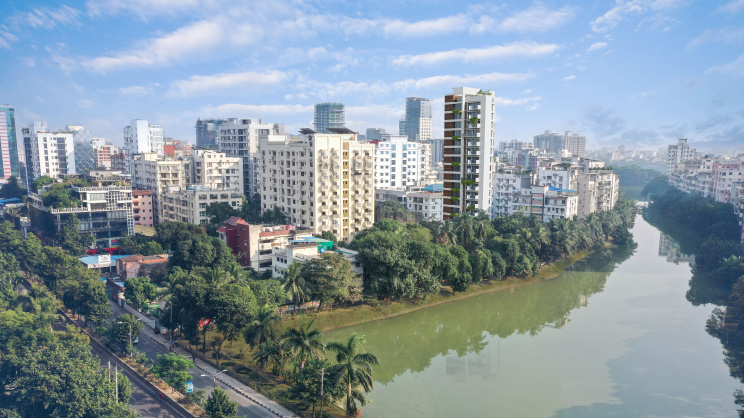
ZK: The presence of unplanned settlements near premium projects naturally raises safety concerns and can affect the "vibe" of a luxury development, occasionally causing buyers to hesitate. However, developers cannot solve this alone. The government must have an extensive, 25-year plan to accommodate all segments of society—from tycoons to lower-income groups. If we can replace chaotic slums with fire-rated, structured housing blocks, we drastically decrease disaster risks and increase the livability of the entire city.
TDS: Looking toward 2030, what is your vision for Credence and the sector?
ZK: We have already handed over 55 projects and aim to deliver another 100 in the next three years. My vision is to see Credence operating at its highest capacity while maintaining our signature quality. For the sector at large, I am optimistic. If the government supports us by addressing the rising costs of raw materials and encouraging decentralization toward divisional cities, the real estate sector can significantly boost the national GDP and create massive employment opportunities.
Interview conducted by Samia Chowdhury
 For all latest news, follow The Daily Star's Google News channel.
Comments