


Making homes smarter with home pods

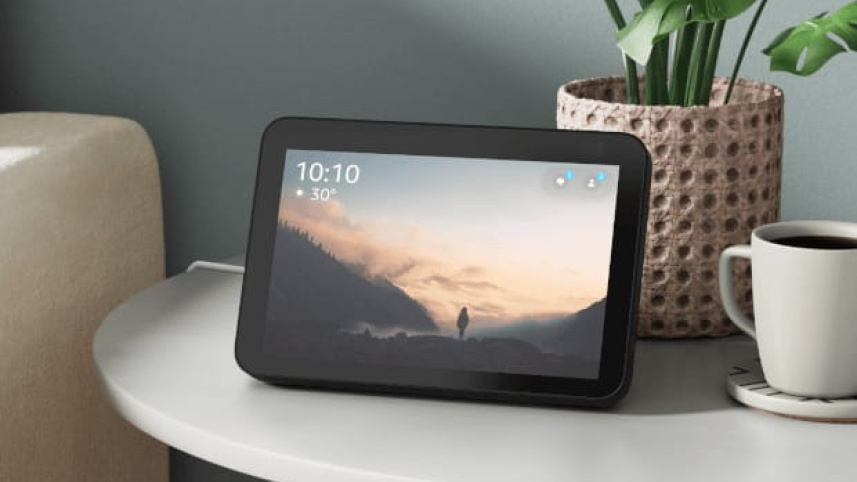
The concept of a smart home was once limited to futuristic films and luxury residences. Today, however, voice-controlled speakers, intelligent displays, connected lighting systems, and automated security solutions are becoming increasingly accessible to ordinary households. At the centre of this ecosystem sits a device often referred to as a smart home hub or smart home pod: a compact gadget designed to control and automate various smart devices from a single platform.
As Bangladesh continues its rapid digital transformation, consumer interest in smart home technology is steadily growing. Rising internet penetration, expanding e-commerce platforms and the increasing availability of affordable smart devices are encouraging homeowners to explore connected living. Whether it is turning off lights without leaving the sofa, checking security camera feeds, setting reminders while cooking, or playing music through voice commands, smart home pods are increasingly finding their place in urban households.

Understanding the smart home ecosystem
Unlike conventional Bluetooth speakers, smart home pods are designed to act as central hubs for connected devices. Through voice assistants such as Google Assistant, Amazon Alexa and Apple's Siri, users can manage lighting, televisions, cameras, smart plugs, thermostats and other connected appliances from a single interface.
The most important consideration before purchasing a smart home pod is ecosystem compatibility. Smart home products are often designed to work most effectively within a specific platform. An Android user who relies heavily on Gmail, Google Calendar and YouTube will generally benefit more from a Google-based device. Likewise, households using iPhones, iPads and Apple TVs may find Apple's ecosystem more seamless.
While most major platforms support third-party devices, compatibility varies. A smart home setup that works flawlessly within one ecosystem may require additional configuration in another.
Choosing the right form factor
The smart home pod market can broadly be divided into two categories: smart speakers and smart displays.
Smart speakers focus primarily on voice interaction and audio playback. They are generally more affordable, occupy less space and work well for users whose primary needs are music, reminders and basic device control.
Smart displays add a touchscreen, allowing users to view security camera feeds, recipes, calendars, weather forecasts and video content. For families, the display often becomes a central household information hub. The choice largely depends on how the device will be used. A bedroom may only require a compact smart speaker, while a kitchen or living room may benefit significantly from the added functionality of a display.
The Android-friendly choice
For many Bangladeshi consumers, Google's ecosystem offers the most natural entry point into smart-home technology. The Nest Hub combines Google Assistant with a touchscreen interface, allowing users to manage connected devices while also accessing Google's extensive suite of services.
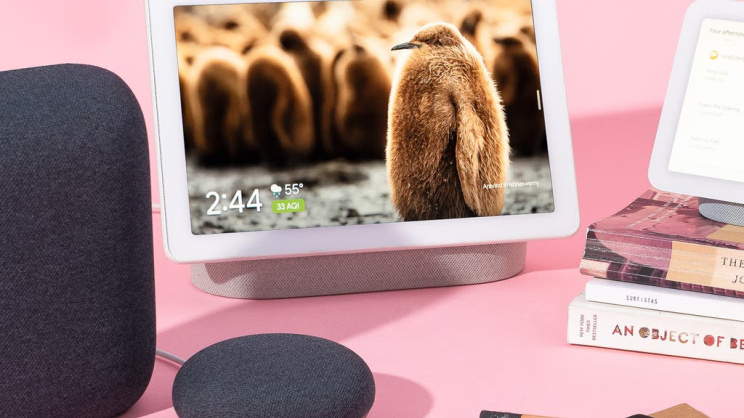
The device features a 7-inch display, voice controls, smart-home management tools and multimedia capabilities. Users can view calendar appointments, follow cooking recipes, monitor compatible security cameras and stream YouTube content directly from the device. Because most Android smartphones already integrate deeply with Google services, setup tends to be straightforward. Contacts, reminders and schedules can synchronise seamlessly across devices.
The Nest Hub is particularly suitable for families seeking a central dashboard for everyday household management rather than a dedicated entertainment speaker. Typical market price in Bangladesh ranges from approximately BDT 12,000 to BDT 14,000, depending on retailer and availability.
Built for automation enthusiasts
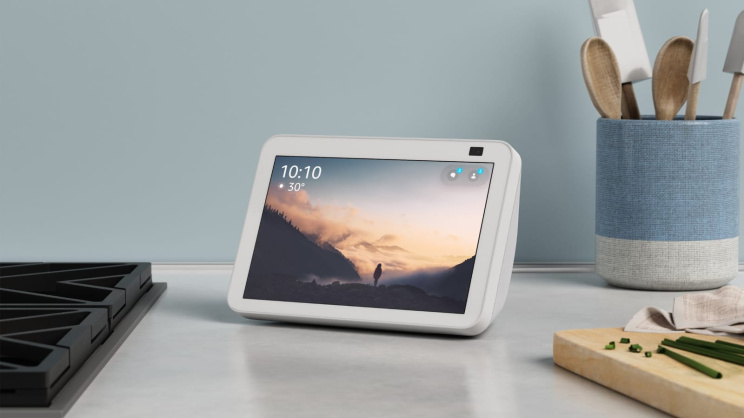
Amazon's Echo Show 8 represents one of the most feature-rich smart-home hubs available in Bangladesh. Powered by Alexa, the device combines voice assistance with an 8-inch touchscreen display and strong automation capabilities. Its strengths lie in smart-home control and custom routines. Users can create automated sequences that trigger multiple actions simultaneously, such as switching on lights, adjusting room temperature and playing music with a single command.
The Echo Show 8 also includes a built-in camera for video calls and can serve as a monitoring screen for connected security devices. For homeowners intending to expand their smart-home ecosystem over time, Alexa's broad compatibility with third-party devices makes the Echo Show 8 an attractive option.
Prices generally range between BDT 18,000 and BDT 21,000 in the local market.
Premium integration for Apple users
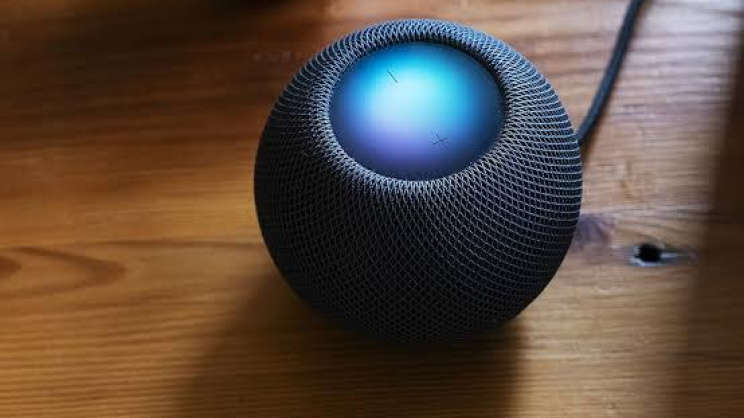
Apple approaches smart-home technology differently from its competitors, focusing heavily on privacy, security and ecosystem integration. The HomePod Mini is designed primarily for users already invested in Apple's ecosystem.
Despite its compact size, the device delivers impressive 360-degree audio performance and supports Siri-powered voice control. Integration with iPhones, iPads, Apple Watches and Apple TVs is exceptionally smooth, enabling users to transfer audio, create intercom announcements and control HomeKit-compatible devices effortlessly.
The HomePod Mini's strongest advantage is convenience within the Apple ecosystem. However, households using Android devices may find the experience more limited. In Bangladesh, the HomePod Mini typically retails between BDT 12,000 and BDT 15,000.
Smart home convenience for Samsung users
Samsung takes a smart-home-first approach with the Galaxy Home Mini, focusing on seamless integration with its ecosystem of smartphones, TVs and connected appliances. Designed for Samsung users, the compact smart speaker combines voice control, home automation and entertainment in a single device.
Despite its small footprint, the Galaxy Home Mini delivers rich 360-degree sound tuned by AKG and supports Bixby-powered voice commands. Integration with Galaxy smartphones, Samsung Smart TVs and SmartThings-compatible devices is smooth, allowing users to control lights, appliances and entertainment systems using simple voice requests.
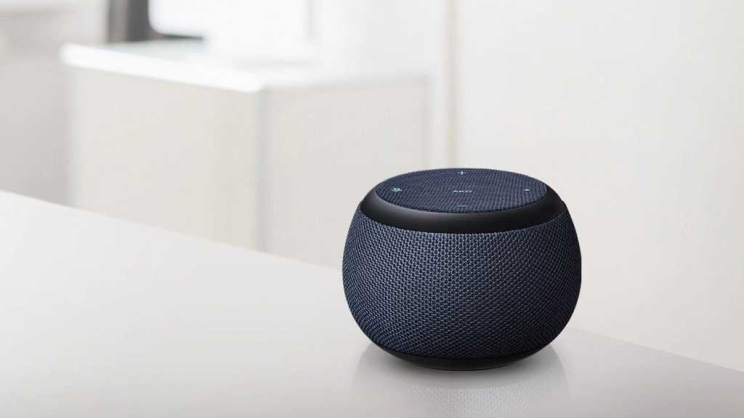
The Galaxy Home Mini's greatest strength is its deep SmartThings integration, making it an ideal hub for Samsung-powered smart homes. However, users outside the Samsung ecosystem may find its features less compelling compared to speakers powered by Google Assistant or Alexa. In Bangladesh, imported units typically retail between BDT 8,000 and BDT 10,000, depending on availability and import costs.
 For all latest news, follow The Daily Star's Google News channel.
 Affordable entry into smart living
For budget-conscious consumers, Xiaomi has emerged as one of the most accessible smart-home brands in the Bangladeshi market. Its smart speaker offers Google Assistant functionality, Chromecast support and voice-controlled smart-home management at a significantly lower price than many competitors.
While audio quality and premium features may not match higher-end products, the speaker provides an affordable introduction to voice-controlled technology. For users experimenting with smart-home devices for the first time, Xiaomi's offering represents one of the lowest-risk entry points into the category. Prices typically range between BDT 5,000 and BDT 7,000.
Note: Prices are approximate and may vary depending on retailer, availability, import conditions and exchange-rate fluctuations.
Comments