


Designing the modern apartment energy hub

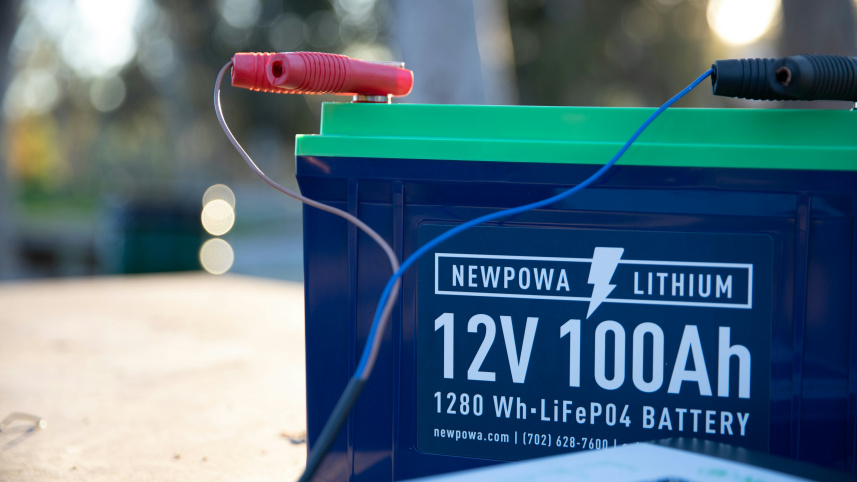
For most urban dwellers in Bangladesh, the sound of progress often comes with a persistent hum. When the grid fails, the neighbourhood is suddenly filled with the roar of diesel generators and the smell of exhaust fumes.
As we move toward a more sustainable future, the way we store energy at home is undergoing a big change. The transition from noisy, inefficient backup systems to sleek, dedicated lithium ion energy storage hubs is a necessity for the modern home.

According to Dr A.S. Nazmul Huda, an associate professor in the Department of Electrical and Electronic Engineering (EEE) at BRAC University, the limitations of our current backup methods are becoming a bottleneck for both household convenience and national energy goals. Many homeowners still rely on traditional systems that simply cannot keep up with modern demands.
The Trouble with Traditional Backup
For decades, the lead acid battery has been the workhorse of the Bangladeshi household. Whether powering an IPS or a larger inverter, these batteries are notoriously high maintenance. They are heavy, require regular water topping, and have a frustratingly short lifespan.
Most lead acid batteries begin to lose significant capacity after just two years of use. They take a long time to charge and can only be discharged to about 50 per cent of their capacity without suffering permanent damage.
Dr Huda points out the fundamental flaw in continuing with these older setups. "Compared with lithium-ion batteries, traditional lead-acid-based backup systems have a shorter lifetime, less efficient charging/discharging and reduced usable energy capacity," he explains. This inefficiency translates directly to higher electricity bills and the recurring cost of replacing batteries every few years.
Cleaner battery storage improves household convenience by providing reliable and sustainable power through maximising solar energy use and reducing the grid power dependency for a greener future.
Beyond the cost, there is the environmental toll. Lead-acid batteries are hazardous to dispose of, and the diesel generators they often replace are major contributors to air and noise pollution in our densely packed cities.
Designing the Dedicated Storage Room
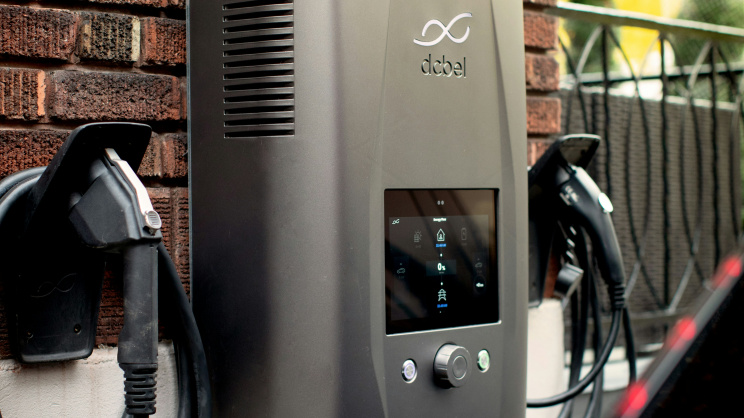
The shift to lithium-ion technology, spearheaded by global leaders like Huawei, allows us to rethink how we use space in our buildings. Unlike the bulky and potentially off-gassing lead-acid batteries, modern Energy Storage Systems (ESS) are compact and modular. Huawei’s introduction of advanced energy storage systems to the Bangladesh market has changed the game. Their systems, like the LUNA2000 series, are designed to be stackable and aesthetically pleasing, meaning you no longer need to hide your backup system behind a dusty curtain.
Unlike diesel generators that create noise and air pollution, lithium ion storage systems provide a completely silent and emission free backup solution for dense apartment living.
When configuring a dedicated energy storage room in a new building or renovating an apartment, several factors come into play.
First is the location. A storage hub should be placed in a cool, well-ventilated area. While lithium ion batteries are far more stable than their predecessors, they still perform best when kept at a stable temperature. In an apartment, this could be a small, dedicated utility closet or a partitioned section of a laundry room.
The wiring architecture is the next consideration. A dedicated room allows for a centralised "energy hub" where the solar inverter, the battery management system, and the main circuit breaker meet.
This centralisation makes maintenance easier and improves the safety of the entire building. Dr Huda emphasises the importance of this integration.
"Battery storage integrated with solar systems can store excess solar energy during off-peak hours in the daytime. Then this excess energy can be used during load shedding, grid outages, and evening peak hours,” he concluded.
The Lithium Ion Advantage
The primary reason to switch to lithium-ion is the sheer efficiency of the technology. These batteries can be discharged to 90 per cent or even 100 per cent of their capacity without harming the cells. They charge significantly faster, which is vital during periods of frequent load shedding where the time between outages is short.
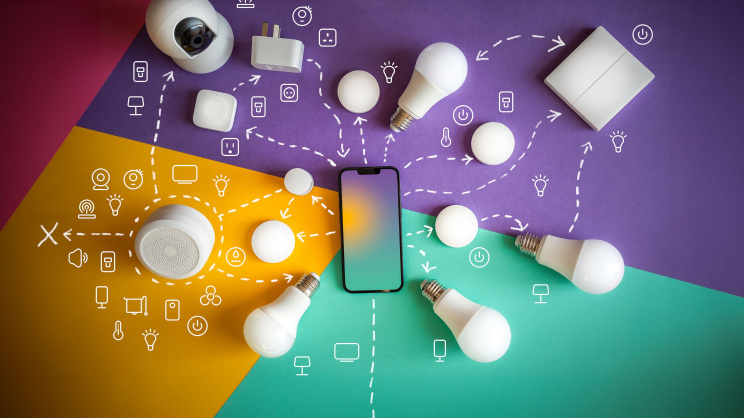
Modern storage rooms are equipped with smart monitoring. Through a mobile app, a homeowner can see exactly how much energy is stored, how much the household is consuming, and even prioritise which appliances should stay on during an outage.
This level of control was unimaginable with a standard IPS.
"Switching to cleaner battery storage is important for both household convenience and a greener future through reduced fossil fuel consumption and lower carbon emissions," Dr Huda explains.
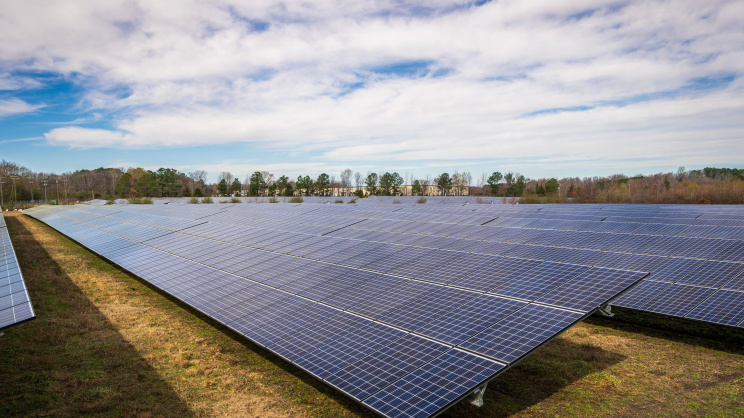
By maximising the use of stored energy, whether from the grid when rates are low or from solar panels on the roof, households can significantly reduce their dependency on fossil fuel-based electricity.
 For all latest news, follow The Daily Star's Google News channel.
Mainstreaming a Greener Future
The government of Bangladesh has recently signalled its support for this transition through green budget measures. Reduced duties on solar components and incentives for electric vehicle (EV) infrastructure are making the ecosystem more affordable. While the initial cost of a lithium ion system is higher than an IPS, the total cost of ownership over 10 years is actually lower. You would likely go through four sets of lead acid batteries in the time it takes to wear out one lithium ion unit.
Huawei's systems include built-in safety features that prevent overheating and overcharging, making them safe for installation within living spaces. As apartments become smarter and more energy-hungry, having a dedicated, quiet, and clean energy storage room becomes as essential as having a kitchen or a bathroom.
The move away from the noisy and bulky past is about more than just avoiding the annoyance of a humming generator. It is about building a resilient home that can manage its own power. By designing dedicated spaces for advanced storage today, we are ensuring that our homes remain bright, quiet, and green for decades to come.
Comments