


On floating worlds: Where water becomes home
As rising seas, stronger floods, and changing coastlines keep reshaping the planet, we are being pushed to reconsider how we relate to water. A lot of communities see water mostly as a menace to defend against.
But others have long learned how to work with it. All around the world, you can find floating villages and water-based settlements that show unusual examples of adaptation, stubborn resilience, and coexistence with nature.

From Cambodia’s floodplains to the reed islands of Peru and the floating neighborhoods of the Netherlands, these communities showed more than one way to put a roof over your head when the ground underneath is a lake.
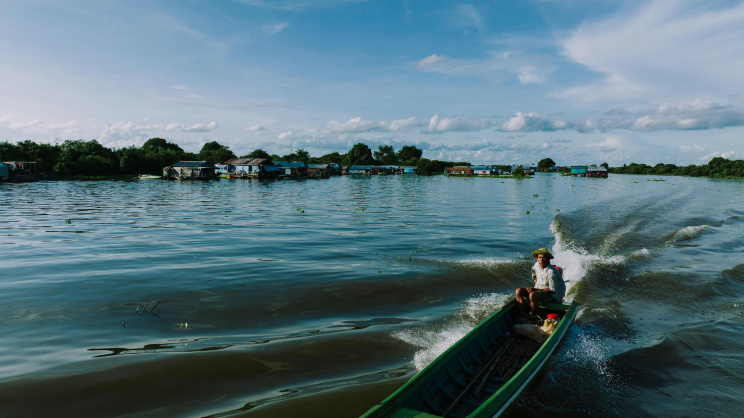
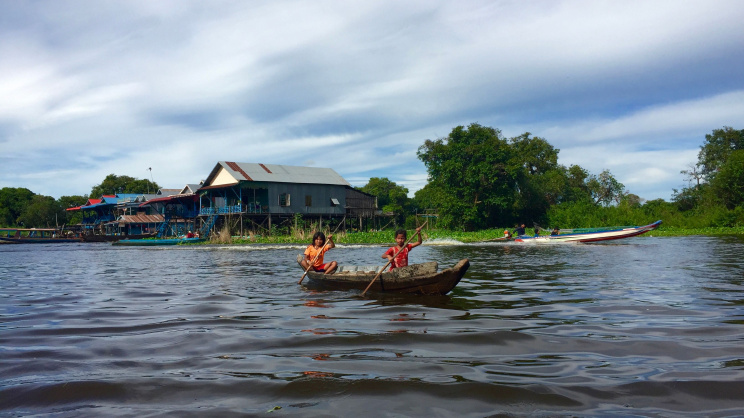
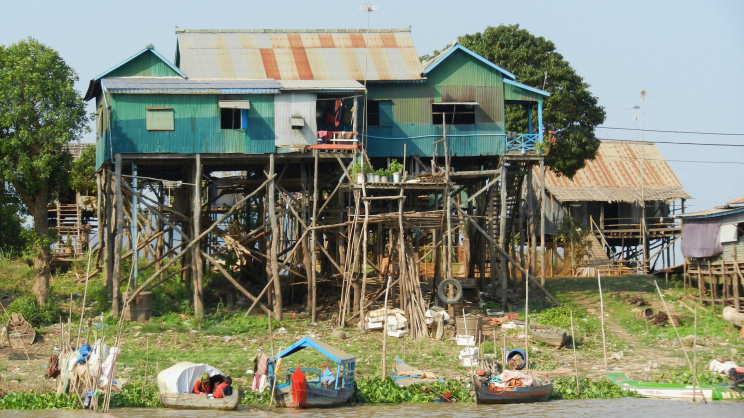
Tonlé Sap, in Cambodia, is the biggest freshwater lake in Southeast Asia. The lake expands a lot during the monsoon season, sometimes reaching almost five times the size it has in the dry season. Entire communities have adapted to these shifting waters by building floating homes, schools, markets, and even churches that rise and move with the lake.
For decades, the lake has shown a kind of ingenuity, by necessity, an adaptability to the seasonal rhythms of nature. The villages are examples of ephemeral and floating urbanism. Life around Tonlé Sap revolves around fishing. Food, transport, and income are heavily relied on by the lake.
Children usually go to floating schools by boat, and local vendors paddle from one home to another, offering vegetables, fuel, or household things. The entire system moves according to the rhythms of the lake itself.
Yet this balance is increasingly under pressure. Overfishing, pollution, deforestation, and climate change are threats to the lake’s fragile ecosystem. Rainfall patterns and upstream dams on the Mekong River are throwing off the water flow, and making life more uncertain and less predictable.
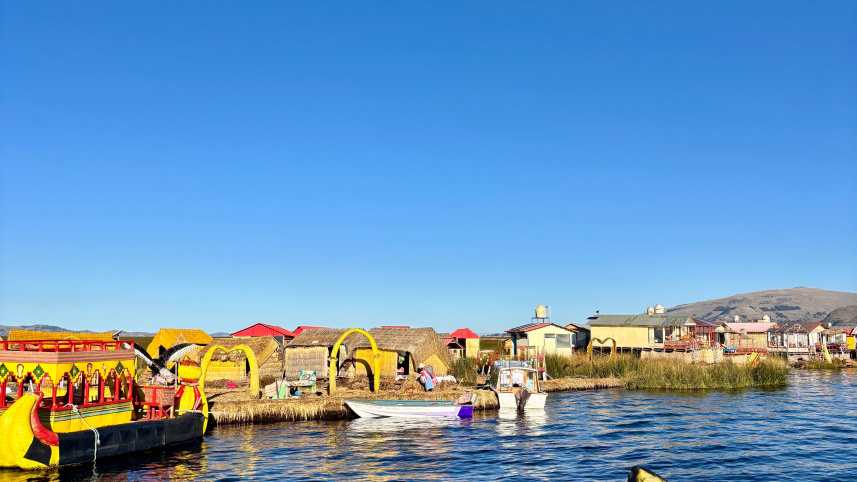
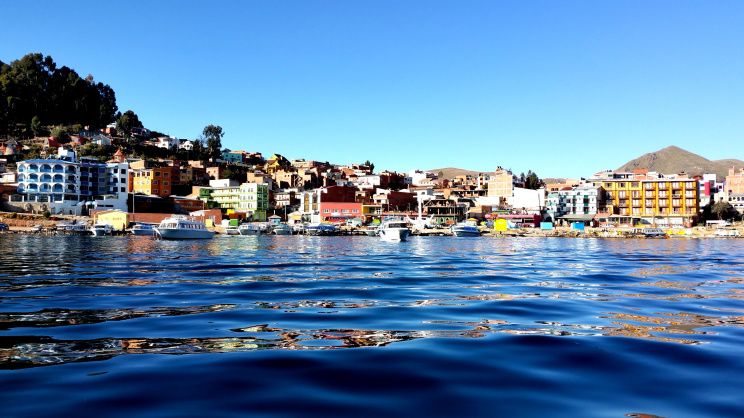
Way off, like thousands of kilometers away in South America, another extraordinary water-based community exists on Lake Titicaca, between Peru and Bolivia. The Indigenous Uros people are recognized for constructing floating islands that are entirely made from totora reeds, a plant that grows abundantly in the lake’s shallow water.
For centuries, the Uros have been making homes and boats out of these reeds. Layer upon layer of reeds are carefully stacked to keep the islands buoyant enough to support entire families.
What began as a strategy for protection and locomotion has evolved into Indigenous knowledge and environmental adaptation. To live on the islands, you need constant upkeep because the reeds decay over time and must be swapped out again.
Even with all that hassle, the Uros keep their traditions alive while they also adjust to the present, for instance, dealing with tourism and shifting economic demands.
Unlike the traditional floating villages you might picture in Cambodia and Peru, the Dutch do it differently. A big chunk of the country sits under sea level, so it gets hit harder by flooding, and for a long time, the answer was dikes and barriers.
Lately, though, planners and architects have started building floating neighborhoods on purpose, as a way to plan for the climate rather than just defend against it.
In places like Amsterdam and Rotterdam, you'll find homes highly engineered to rise and fall with the water. Some developments go further with floating apartment blocks, their own energy systems, water recycling.
That's a real change in how people think. Floating infrastructure could become more and more relevant as coastal cities everywhere run into climate driven flooding. Urban planners and architects are now exploring how similar designs could be adapted for vulnerable coastal regions across Asia, Africa, and maybe beyond that.
Despite the differences, these floating communities share one common lesson: surviving has less to do with holding the line and more to do with bending. Regardless of how they’re made, maybe from reeds, or wooden rafts, or even those more advanced steel platforms, they show how stubbornly creative people can be when the environment keeps pushing back.
Nusrat Jahan Esa is a Research Assistant at the Center for Sustainable Development (CSD), ULAB. She can be reached at nusratjahanesa13@gmail.com.
 For all latest news, follow The Daily Star's Google News channel.
Comments