


We need smarter networks for a more connected Bangladesh

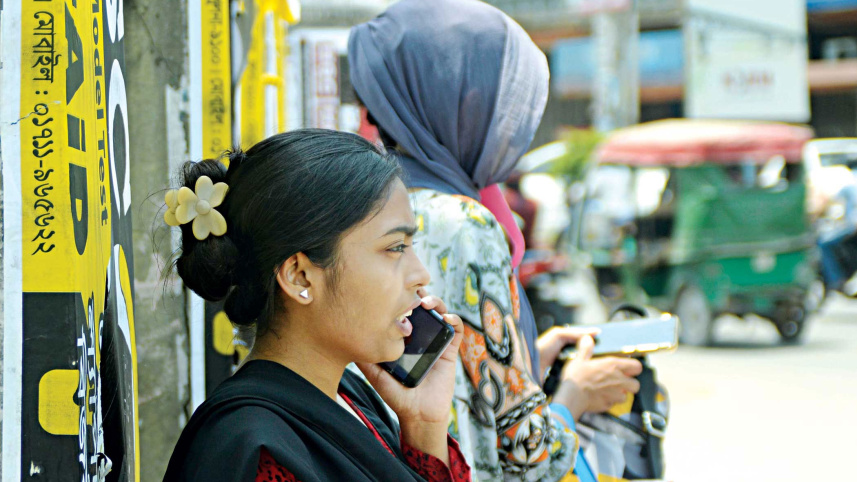
Mobile connectivity has become fundamental infrastructure for Bangladesh’s economy. From financial services, healthcare, and education to businesses, public services, and access to information, millions of people increasingly depend on reliable connectivity every day. And as our economy becomes more digital, ensuring reliable and inclusive connectivity becomes even more crucial. The challenge for Bangladesh, therefore, is not simply to expand networks, but also to expand and sustain them in a cost-effective, sustainable, and inclusive way while keeping connectivity affordable.
Soaring energy costs, reliance on imported network equipment, and growing spectrum and capacity requirements are placing increasing cost pressure on the telecommunications sector. The question is about how we can continue investing in better coverage, quality, and next-generation connectivity while making the best use of the capital and resources available.

The answer lies in making better use of existing network infrastructure. Active network sharing allows operators, under appropriate technical and regulatory arrangements, to share certain elements of their radio access networks rather than independently deploying parallel infrastructure in the same locations. For Bangladesh, this means significant economic and operational benefits.
Network sharing will directly improve service quality for consumers. When operators share network infrastructure, they can avoid duplicating investments and use the money and resources saved to improve the networks people rely on every day. This means wider coverage, more reliable connections, better network performance, and a more consistent service experience for customers—including in areas where connectivity remains limited.
There is also a broader national economic consideration. Much of the equipment required to build and modernise mobile networks is imported and requires foreign currency. Greater infrastructure sharing can reduce unnecessary equipment imports, helping us use foreign currency more efficiently while directing investment towards innovation and new technology.
Energy savings present a similar opportunity. More efficient infrastructure deployment will optimise electricity and backup power consumption while strengthening network resilience. The environmental benefits extend beyond energy savings. Fewer parallel deployments mean less equipment manufacturing, transportation, installation, and replacement. The result is lower energy consumption, reduced emissions and creating a smaller carbon footprint for the telecommunications sector. As Bangladesh pursues a more sustainable digital future, infrastructure sharing will advance connectivity and environmental goals simultaneously.
Active network sharing has been established in different forms worldwide. Close to home, India has moved towards allowing the sharing of active infrastructure elements, while Pakistan has implemented a framework for sharing both active and passive telecommunications infrastructure.
Bangladesh has already taken important steps in this direction. The Telecommunications Network and Licensing Policy, 2025 permits several forms of active sharing, including spectrum sharing, subject to regulatory approval. The Bangladesh Telecommunications (Amendment) Act, 2026 further enables spectrum sharing, trading, and leasing. So, the policy direction is clear. The next step is to translate the vision into a practical, predictable, and investment-friendly regulatory framework that allows operators to realise the full array of benefits of active network sharing while maintaining competition and protecting consumer interests.
The case for action will only become stronger as Bangladesh prepares for next-generation connectivity. Future networks will require substantial investment in spectrum, equipment, capacity and coverage. In a resource-constrained environment, every taka spent duplicating infrastructure is a taka that cannot be invested in expanding coverage, improving network quality or developing the technologies that will power the country’s digital future.
Connectivity should ultimately be judged by the opportunities it creates for people. Our responsibility as an industry is to deliver reliable, high-quality, and affordable connectivity while continuing to invest for the future.
Ultimately, sharing networks is not simply about reducing costs. It is about using capital, energy, and foreign currency more effectively; improving coverage and quality; bridging the digital divide; and building a more resilient and inclusive digital future for Bangladesh. By making smarter use of our resources and expanding access to quality connectivity, we can help more people and communities stay connected.
Johan Buse is chief executive officer at Banglalink.
Views expressed in this article are the author's own.
Follow The Daily Star Opinion on Facebook for the latest opinions, commentaries, and analyses by experts and professionals. To contribute your article or letter to The Daily Star Opinion, see our guidelines for submission.
 For all latest news, follow The Daily Star's Google News channel.
Comments