


Time for a comprehensive law to regulate unhealthy foods


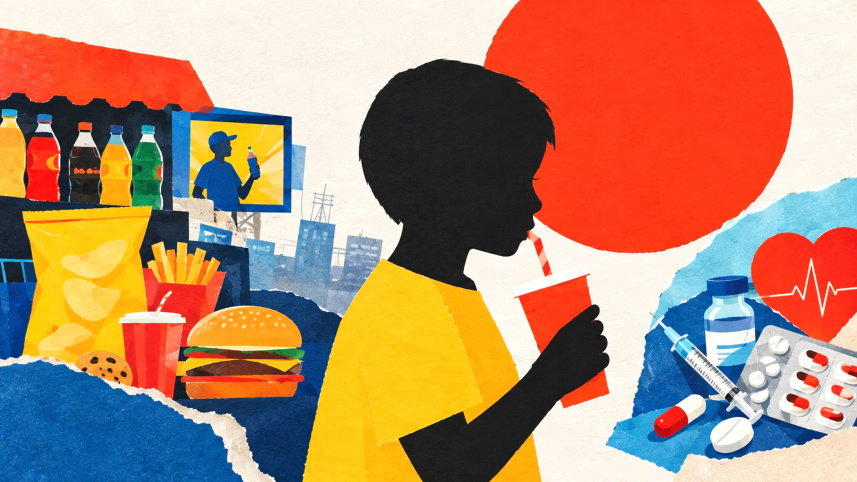
The country’s nutrition problem is becoming harder to ignore. The Bangladesh Demographic and Health Survey (BDHS) 2022 found that, among children aged 6 to 23 months, 32 percent had consumed a sugary beverage the previous day, 49 percent had eaten unhealthy foods, and 46 percent had eaten no fruit or vegetables. These are children whose food preferences are only beginning to form. Among adults, the Bangladesh STEPS survey 2022 found that 96.2 percent consumed fewer than the recommended five daily servings of fruit and vegetables. In fact, the survey found that the average daily consumption of fruit and vegetables was 0.4 and 1.9 servings, respectively. With diabetes, hypertension, obesity, and cardiovascular disease rising, the evidence points to something larger than poorly made individual choices: Bangladesh has an unhealthy food environment.
Sugary drinks and packaged snacks are cheap, convenient, attractively displayed, and heavily promoted. Children see them on television and social media, in online games, and through celebrity endorsements. Healthier options can be less accessible, less visible, or more expensive. Our response, however, still relies heavily on telling people to consume less sugar and salt, eat more vegetables, and exercise. Being well-informed about nutrition matters, but information alone cannot counter an environment designed to encourage unhealthy consumption.

Bangladesh has already learnt this lesson with tobacco control. People learnt how harmful smoking is, but that knowledge hardly put a dent in tobacco use. Progress required mutually reinforcing measures: taxation, health warnings, advertising restrictions, smoke-free rules, and public awareness. Food policy needs a similar multipronged approach.
The government has taken some initiatives already. For instance, the Safe Food (Advertisement and Claims) Regulations, 2025 was came into force in June this year to target the widespread practices of marketing food products, especially the processed ones, that mislead consumers. On June 30, the Bangladesh Food Safety Authority (BFSA) submitted the Safe Food (Packaged Food Labelling) Regulations, 2026 to the food ministry, which proposes, front-of-package warning symbols for packaged food items that exceed set limits for sugar, salt, or saturated fat, to help consumers easily identify unhealthy products. But, as of September 30, it has not been finalised.
However, a formally adopted, cross-sector nutrient profiling standard that consistently links these measures still remains missing. A drink could be treated one way for tax purposes, another under labelling rules, and a third way under marketing restrictions. Schools may be told to restrict “unhealthy foods” without an objective definition of which products qualify as being unhealthy. This creates loopholes, confuses consumers, and makes enforcement harder.

What Bangladesh needs is a comprehensive framework built on a national nutrient profiling model. This is a scientifically developed system that classifies foods and beverages according to their nutritional composition, identifying products with excessive free sugars, sodium or saturated fat. A single, independent standard could connect policies that are being implemented and developed separately and ensure that the government speaks with one clear public health voice.
First, such a law should guide taxation. Taxes on unhealthy products should improve health as well as raise revenue. For sugar-sweetened beverages, a tiered levy based on sugar content or a volumetric excise tax could impose higher rates on the least healthy products and give manufacturers a strong incentive to reformulate. The UK’s Soft Drinks Industry Levy shows how tax design can drive substantial reductions in sugar content.
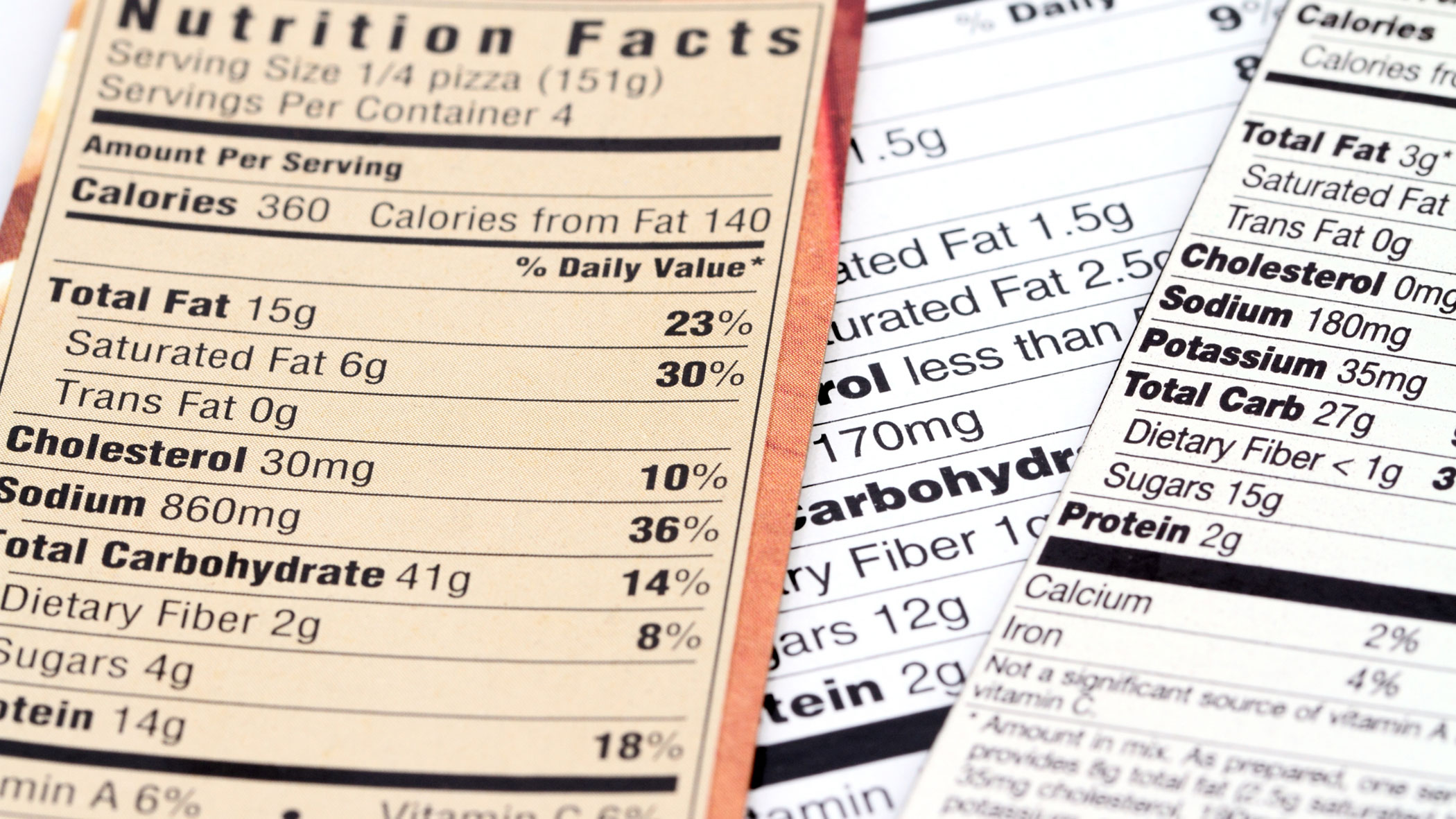
Second, it must underpin clear front-of-pack warnings. Shoppers often make decisions within seconds; they should not need specialist knowledge to interpret a dense nutrition table. Prominent warnings for excessive sugar, salt, or saturated fat would make healthier choices easier. Research in Bangladesh has already shown that simple warning labels can substantially improve people’s ability to identify unhealthy packaged foods.
Third, it should define which products cannot be marketed to children. Regulation must cover not only television but also digital advertising, influencers, online games, sports sponsorship, and other evolving forms of promotion. The same criteria should determine which foods may be sold, promoted or provided in schools, alongside affordable access to safe drinking water and healthier alternatives. Fourth, government procurement should apply these standards in hospitals, offices and other publicly funded institutions. Public purchasing can create demand for healthier products and encourage reformulation across the market.
International experience shows why integration matters. Mexico’s sugary drink tax reduced purchases, particularly among lower-income households. Chile combined warning labels, restrictions on marketing to children and school food rules using common nutritional criteria. Policies may differ from country to country, but the principle is the same: instead of asking consumers to make perfect decisions in an unhealthy marketplace, effective regulation changes the marketplace.
No single measure can do this alone. A tax cannot tell a parent that a breakfast cereal contains excessive sugar. A warning label cannot shield a child from repeated advertising. A school policy cannot offset aggressive marketing beyond the school gate. These interventions become far more powerful when they reinforce one another through a coherent legal framework.
The government should now finalise and adopt a nutrient profiling model for Bangladesh. It should draw on World Health Organization guidance and established international approaches, while being tested against products actually sold in the country. Because food regulation cuts across mandates, the process should involve the BFSA, National Board of Revenue, and the ministries responsible for health, food, commerce, education, and information, alongside public health experts, consumer groups, and independent researchers.
Once adopted, the model should be formally embedded in the current and future rules on taxation, labelling, marketing, schools and public procurement. The law must also assign clear responsibilities, inspection powers, and penalties. Regulators will need adequate staffing, laboratory capacity, and transparent reporting, while civil society and researchers should be able to scrutinise progress. Public disclosure of non-compliance can itself create pressure for change. The government must also monitor what products contain, what people consume, what children see, how prices change, and whether policies improve diets. The model should be reviewed periodically as evidence, products, and marketing practices evolve. Effective regulation makes markets fairer by giving consumers clear information, protecting children from exploitative marketing, and rewarding companies that produce healthier options. Tobacco control faced similar objections; experience showed that firm, well-designed rules can protect health while allowing legitimate business to continue.
People’s diets are shaped by what is affordable, available and promoted where they live, work, shop and learn. If Bangladesh is serious about curbing diet-related diseases, it must build a food environment in which the healthy choice is not a difficult choice but an easy one.
Dr Rumana Huque is professor in the Department of Economics at Dhaka University and executive director at ARK Foundation.
Dr SM Abdullah is associate professor in the Department of Economics at Dhaka University and honorary deputy director at ARK Foundation.
Views expressed in this article are the author's own.
Follow The Daily Star Opinion on Facebook for the latest opinions, commentaries, and analyses by experts and professionals. To contribute your article or letter to The Daily Star Opinion, see our guidelines for submission.
 For all latest news, follow The Daily Star's Google News channel.
Comments