


When ‘staying strong’ starts hurting your health

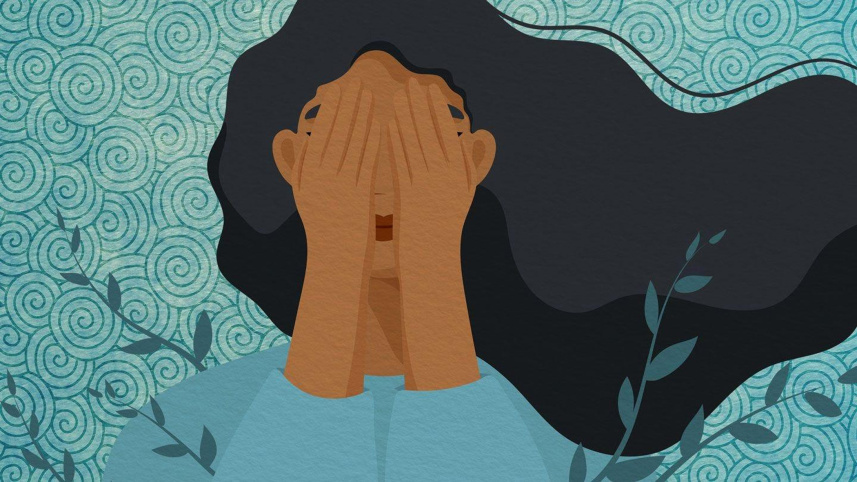
“Don’t cry.” “Stay strong.” “Move on.” These familiar words are often meant to comfort us. Yet when strength becomes a habit of hiding sadness, anger or fear, the feelings may not simply vanish. They can linger beneath the surface, while the body continues to carry the strain.
Suppressing emotion means deliberately pushing a feeling aside, covering it with a smile, distracting yourself or refusing to admit it is there. At times, keeping composure is necessary. The concern begins when bottling things up becomes a way of life.

One 12-year US study followed nearly 730 adults and found that people who regularly suppressed emotions had a 35 per cent higher risk of dying from any cause during the study period. Cancer deaths were also higher among those who suppressed more. However, researchers have found different patterns in some cultures, reminding us that emotional expression is shaped by society and context.
The body may offer part of the explanation. Studies in stressful situations show that people asked to hide their emotions can experience stronger physical stress responses, including faster heartbeats and higher blood pressure. Even when someone looks perfectly calm, their body may still be behaving as though it is under threat. If that strain becomes constant, it may gradually take a toll.
The mind can suffer too. Habitually holding feelings in has been linked with anxiety, low mood and poorer overall wellbeing. This does not mean every emotion must be announced to everyone. Healthy expression is not the same as uncontrolled expression; it is about giving feelings somewhere safe to go.
That outlet can be surprisingly simple. In a well-known study, students wrote about upsetting experiences for just 15 minutes a day over four days. In the following six months, they made roughly half as many visits to their student health centre as students who wrote about ordinary topics.
For everyday life, the message is straightforward: feeling something is not a failure of strength. Talk to someone you trust. Write privately in a journal. Seek professional support when needed. Or simply pause long enough to name what you are feeling safely.
A brave face can help us through a difficult moment. But wearing it permanently may come at a hidden price. Sometimes, real resilience begins not by silencing an emotion, but by finally allowing it to be heard.
The writer is a Bangladeshi student of BA Psychology at the University of Pune, India. Email: srinjoyajunan@gmail.com
 For all latest news, follow The Daily Star's Google News channel.
Comments