


The hidden health cost of holding your urine
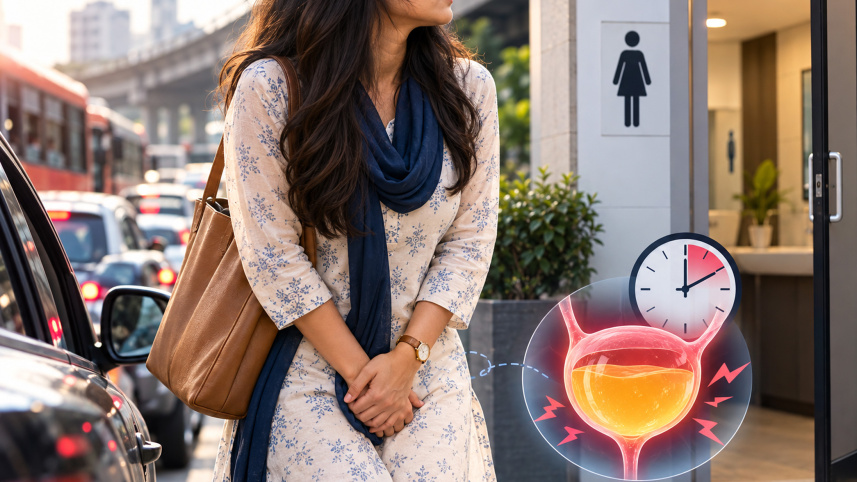
Ignoring the urge to urinate can seem harmless. A meeting runs late, traffic crawls, a classroom cannot be left, or the nearest toilet feels too unpleasant to use. So we wait. Occasionally, that is usually fine. But repeatedly turning “I’ll go later” into a daily habit may carry a hidden health cost. The problem is familiar to office workers, teachers, students, healthcare staff, drivers and garment workers, whose long shifts, crowded journeys or limited access to clean toilets can make bathroom breaks difficult. Some even drink less water to avoid needing the toilet.
When urine stays in the bladder too long, germs have more opportunity to grow, increasing the chance of painful urine infections. Regularly stretching the bladder may also make it harder for its muscles to work properly, sometimes leaving urine behind after a toilet visit. Over time, this can contribute to urgency, leakage or difficulty emptying the bladder.

There is no prize for enduring discomfort. Drink enough water normally and respond when your body gives a clear signal. If urination becomes painful, unusually frequent, difficult, bloody or comes with fever, seek prompt medical advice. A toilet break is not laziness; it is part of basic healthcare.
 For all latest news, follow The Daily Star's Google News channel.
Comments