


When grades become too heavy to carry

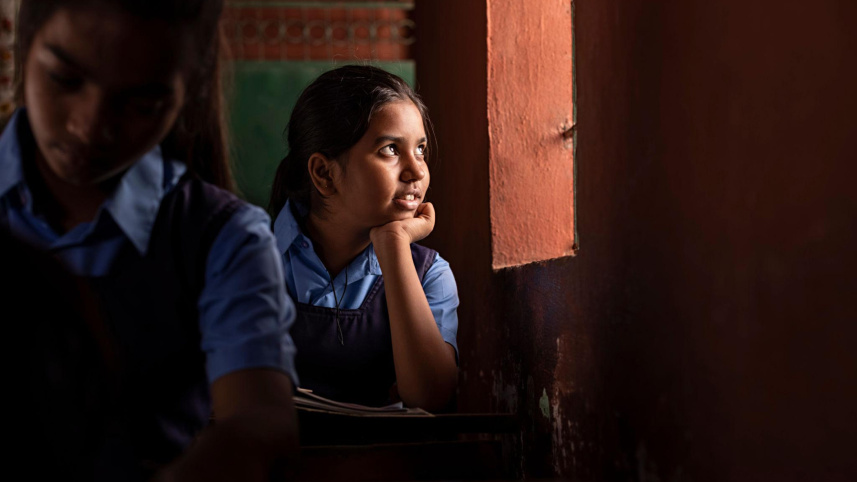
In Bangladesh, a student’s future can sometimes feel as if it hangs on a single sheet of exam results. Behind the grades, coaching classes and anxious family expectations, however, many young people may be carrying distress that adults fail to notice.
The warning signs are difficult to ignore. At least ten students died by suicide within six days of this year’s secondary school results, according to figures cited from the Aachol Foundation. In 2025, at least 403 student suicides were reported, nearly half involving schoolchildren. The real toll may be higher because these figures rely on media reports.

Yet help remains painfully scarce. An estimated 12.6 per cent of Bangladeshi children live with a mental health problem, while more than 90 per cent receive no formal care. Fear of stigma makes the silence deeper. Sadness may be dismissed as laziness, anxiety as weakness, and sleeplessness before exams as something a child should simply overcome.
Teachers could become an important safety net. Bangladesh is already testing a school-based mental health and suicide prevention programme across 10 districts, reaching about 20,000 students and training 488 teachers.
The next step should be simple but ambitious: train at least one teacher in every secondary school to recognise distress, listen without judgement and guide students towards appropriate help. Schools should also build links with local health centres and involve parents and coaching centres in conversations about exam pressure.
A child’s worth cannot be reduced to a GPA. Schools must prepare children not only to pass examinations, but also withstand exam pressure. Sometimes, one observant teacher, one compassionate conversation and one timely referral may change the course of a young life.
The writer is a researcher in child and youth mental health at the Cumming School of Medicine, University of Calgary. Email: sm.shaheen@ucalgary.ca
 For all latest news, follow The Daily Star's Google News channel.
Comments