


Violence leaves scars we cannot always see
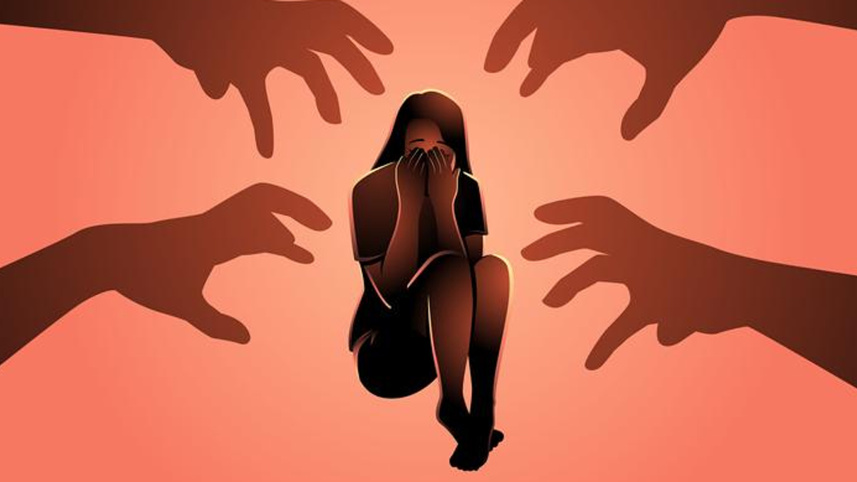
Violence rarely ends when the bruises fade. For women and children who experience sexual or gender-based violence, the damage can follow them into classrooms, workplaces, relationships and healthcare settings. Yet too often, survivors carry the burden quietly while systems respond only after harm has occurred.
In Bangladesh, where conversations around sexual violence can still be clouded by shame, fear and social pressure, prevention and compassionate support matter enormously. The Sexual Violence Research Initiative Forum 2026, being held in Bangkok this October, is putting these issues under a global spotlight.

The gathering brings together researchers, policymakers, health professionals and advocates to ask a crucial question: how can violence be stopped before it happens?
Discussions will explore ways to prevent child sexual abuse, make essential services safer for women and girls during emergencies, improve how violence is documented, and understand its lasting impact on mental wellbeing.
For Bangladesh, these conversations carry particular relevance. Hospitals, schools and community services can become important places for recognising danger and connecting survivors with safe support.
Ending violence requires more than reacting to horrific incidents. It means listening without judgement, building safer systems and using evidence to prevent the next survivor from ever having to become one.
 For all latest news, follow The Daily Star's Google News channel.
Comments