


When hidden stones strike from within

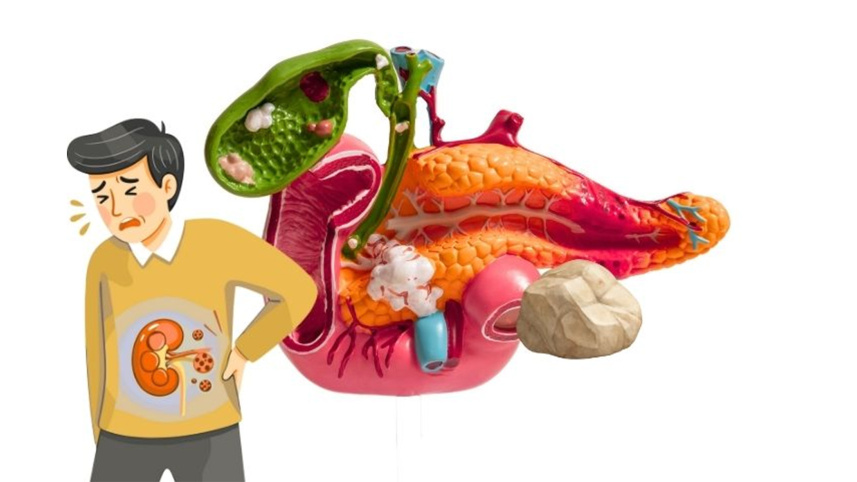
Most people have heard of kidney stones or gallstones, but few realise that stones can also develop in the pancreas. Although the thought sounds alarming, specialists say there is no reason to panic because timely treatment can prevent serious problems. The real danger lies not in the condition itself, but in ignoring persistent warning signs.
These stones form when hard deposits build up inside the small passage that carries digestive juices from the pancreas. Once that pathway becomes blocked, the body struggles to digest food properly, leading to discomfort that often worsens over time. Severe pain in the upper abdomen, pain spreading to the back, repeated vomiting, unexplained weight loss and yellowing of the eyes or skin should never be dismissed as ordinary stomach trouble.

Long-standing inflammation of the pancreas remains the biggest risk factor. Heavy alcohol use can increase the likelihood by damaging the organ over many years. In some people, gallstones may trigger the problem, while others inherit a greater tendency because of their family history.
The encouraging news is that modern care has transformed the outlook for people living with this condition. Doctors can now identify the problem through appropriate tests and recommend treatment that suits the size and position of the stones. Early medical attention often relieves pain, restores normal digestion and helps prevent further damage.
Health experts also urge people to avoid self-medication or relying on home remedies when symptoms continue. Painkillers may briefly mask discomfort, but they do not remove the underlying blockage. Seeking advice from an experienced surgeon or specialist remains the safest course of action.
The message is simple: do not ignore persistent abdominal pain, especially when it is accompanied by vomiting, digestive difficulties or sudden weight loss. While pancreatic stones are less common than other forms of stones, they are treatable when recognised early. Prompt diagnosis, sensible lifestyle choices and professional medical care can make all the difference. Rather than fearing the condition, people should focus on recognising the warning signs and acting without delay. Awareness, not anxiety, is the strongest defence, reminding us that early action often turns a frightening diagnosis into a manageable health challenge. Regular health check-ups are particularly important for people with a history of long-term digestive illness or heavy drinking. Family members should also pay attention if symptoms keep returning instead of disappearing. Listening to the body and seeking help early can protect health, comfort alike.
The writer is a speacialist surgeon. Email: dr.m.a.karim23@gmail.com
 For all latest news, follow The Daily Star's Google News channel.
Comments