


Step carefully: Protecting your feet from diabetes

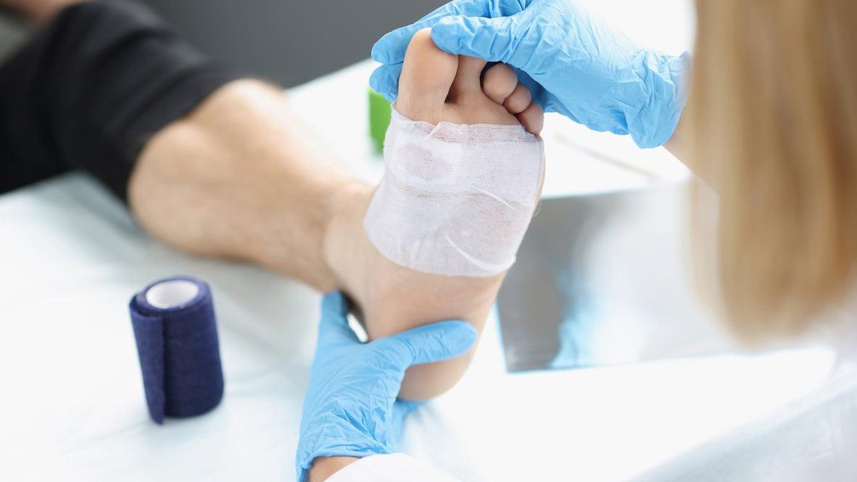
For people living with diabetes, a tiny blister, cut or sore on the foot can become far more serious than it first appears. When blood sugar remains poorly controlled, damage to the nerves and blood vessels may reduce feeling in the feet and slow healing. A wound that goes unnoticed can deepen, become infected and, in severe cases, threaten the foot itself.
This is where timely diabetic foot surgery can make a crucial difference. Surgery is not automatically a sign that a foot will be lost. In many cases, its purpose is exactly the opposite: to clear infection, help a wound heal, restore blood flow and prevent the need for major amputation.

The treatment depends on how badly the foot is affected. Doctors may remove dead or infected tissue so healthier tissue has a chance to heal. If pus has collected, it may need to be drained. Some patients require surgery to repair damaged areas of the foot, including covering wounds with healthy skin. When poor blood flow is stopping a wound from healing, procedures may be used to improve circulation. Amputation is generally considered only in severe situations, particularly when infection or dead tissue threatens the patient’s life.
Before recommending an operation, doctors look at the extent of infection, the blood supply to the foot and how well the wound is healing. Recovery varies widely. Some people improve within weeks, while others may need several months. The source article notes that healing after surgery may take around four to 12 weeks, depending on blood sugar control, circulation and wound care. Proper pain relief is used during and after surgery, although some discomfort can be expected.
Surgery, however, is only part of the journey. Keeping blood sugar under control, following wound-care instructions, avoiding unnecessary pressure on the affected foot and attending regular follow-up appointments are essential. Supportive footwear and physical therapy may also help people return to normal walking once healing progresses.
Perhaps the most important message comes before an operating theatre is ever needed: pay attention to the feet. Diabetes can reduce sensation, meaning a person may not immediately feel a cut, blister or developing sore. Regular foot checks therefore matter. Look for redness, swelling, broken skin, sores or other changes, and seek medical advice early rather than waiting for pain.
People with diabetes should also have their feet examined regularly by healthcare professionals. A problem caught early is often much easier to manage than one ignored until infection spreads.
Diabetic foot problems can sound frightening, particularly when surgery or amputation enters the conversation. Yet early action can change the story. A small wound should never be dismissed simply because it does not hurt. With careful diabetes control, prompt treatment, skilled surgical care when required and consistent follow-up, many serious complications can be prevented and mobility protected for life.
For someone with diabetes, looking after the feet is not a minor part of everyday care. It can be a simple habit that protects independence, movement and, sometimes, a limb.
The writer is a surgery Specialist at Marks Medical College and Hospital, Dhaka.
Email: dr.m.a.karim23@gmail.com
 For all latest news, follow The Daily Star's Google News channel.
Comments