


Global standards in healthcare could reshape Bangladesh’s future

Every year, thousands of Bangladeshis leave the country in search of medical care they believe they cannot find at home. Their journeys often begin with hope but come at an enormous financial cost, draining billions of dollars from the national economy. While this trend highlights gaps in healthcare, it also reveals an opportunity that Bangladesh can no longer afford to ignore.
The country has made remarkable progress in expanding healthcare services over the years, reaching millions who once had limited access to treatment. Yet many families still choose hospitals in neighbouring countries because they trust the quality of care, modern facilities and overall patient experience more than what they expect locally.

According to available estimates, between 450,000 and 800,000 Bangladeshis travel overseas each year for treatment. Their combined spending is believed to reach almost US$5 billion annually. If even a large share of that money remained within the country, it could strengthen hospitals, create jobs and stimulate wider economic growth.
Improving healthcare, however, is about much more than constructing impressive buildings. Patients also expect timely treatment, reliable equipment, clean surroundings and respectful communication. Confidence is built when people feel safe, informed and cared for throughout their journey, from diagnosis to recovery.
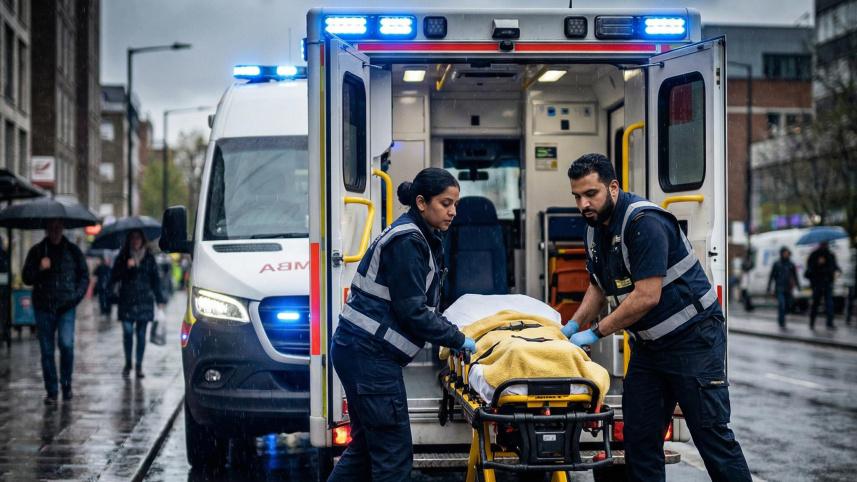
Emergency transport is another area demanding urgent attention. Patients in critical condition often lose valuable time travelling between districts in search of specialised treatment. Faster ambulance services, better coordination and improved emergency response could save countless lives while strengthening public trust in the healthcare system.
Modern healthcare also depends on organised record keeping, better use of digital tools and continuous learning among healthcare workers. Equally important is kindness. A reassuring conversation, clear explanations and compassionate care can shape a patient’s experience just as much as medicines or machines.
Experts believe Bangladesh could become a destination for international patients if the country invests wisely, raises service standards and promotes itself with confidence. Such progress would not only reduce the need for Bangladeshis to seek treatment abroad but could also attract visitors from neighbouring nations, creating a new source of national income.
Achieving this vision will require cooperation between the government, private hospitals and healthcare professionals. Encouraging local innovation, supporting research and ensuring fair access to quality care should become national priorities. Long-term planning, rather than short-term fixes, will determine whether Bangladesh can compete with established regional healthcare destinations.
The country has already demonstrated that determined reforms can transform important sectors. Healthcare deserves the same ambition. By investing in quality, trust and patient-centred services, Bangladesh has the chance to keep more families at home during their most difficult moments while opening the door to a stronger economy. Better healthcare is no longer only a public service; it is an investment in the nation’s future.
The writer is a joint general secretary of the Association of Bangladesh China Alumni (ABCA), and Managing Director of Long Life Hospital, Dhaka. E-mail: shapon.ch2000@gmail.com
 For all latest news, follow The Daily Star's Google News channel.
Comments