


Women’s greatest strength is their solidarity: Reekita Nondine Shimu


Her acting journey has been slow and steady, yet profoundly impactful. Beginning her silver screen career with a filmmaker like Tareque Masud in “Runway” was nothing short of a dream come true for Reekita Nondine Shimu.
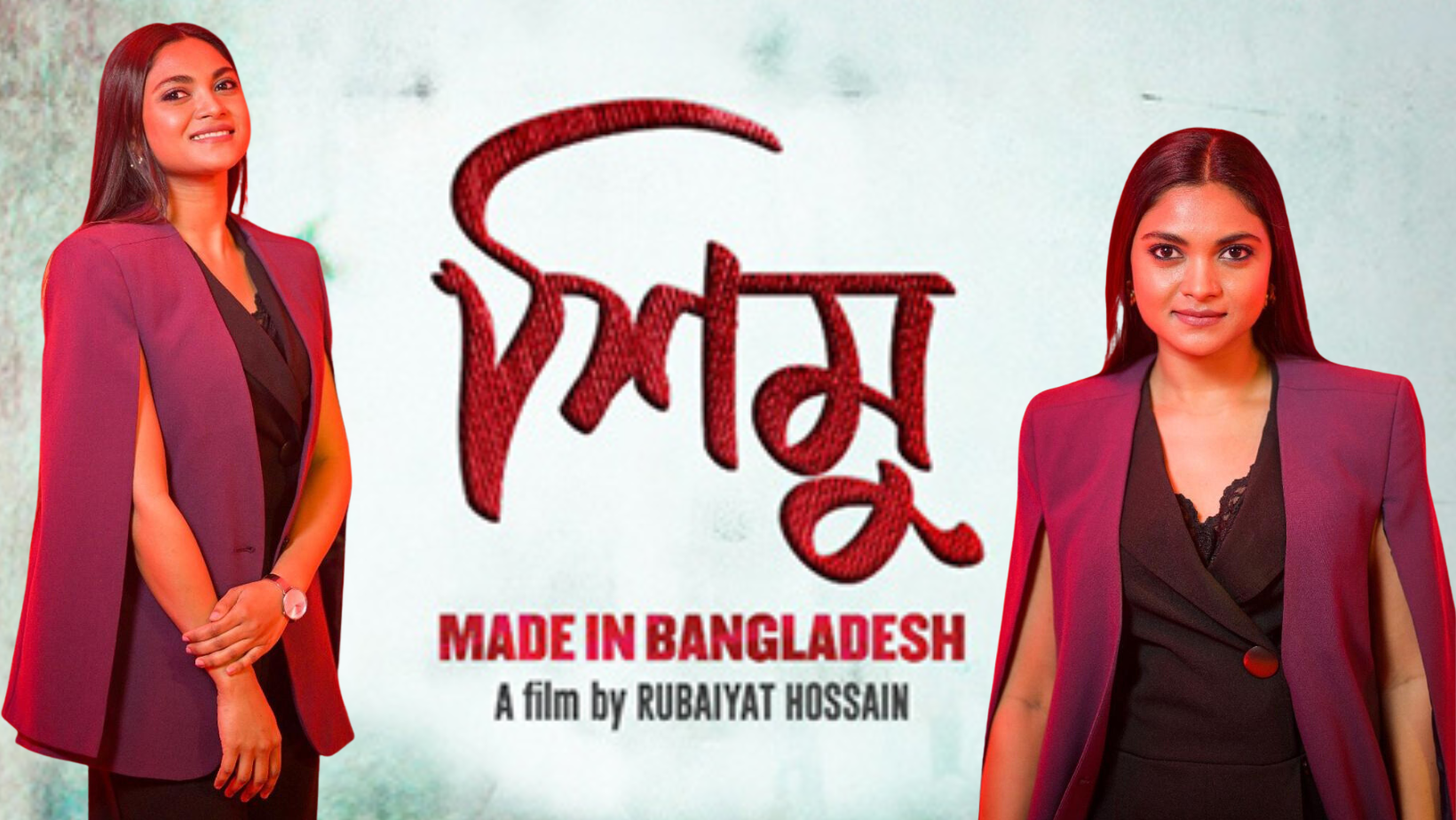
Shimu earned the National Film Award for Best Actress in 2023 for her portrayal of a headstrong, independent woman in “Shimu”, also known as “Made in Bangladesh”, directed by Rubaiyat Hossain. She also bagged the Best Actress Award at the Saint-Jean-de-Luz International Film Festival in France.

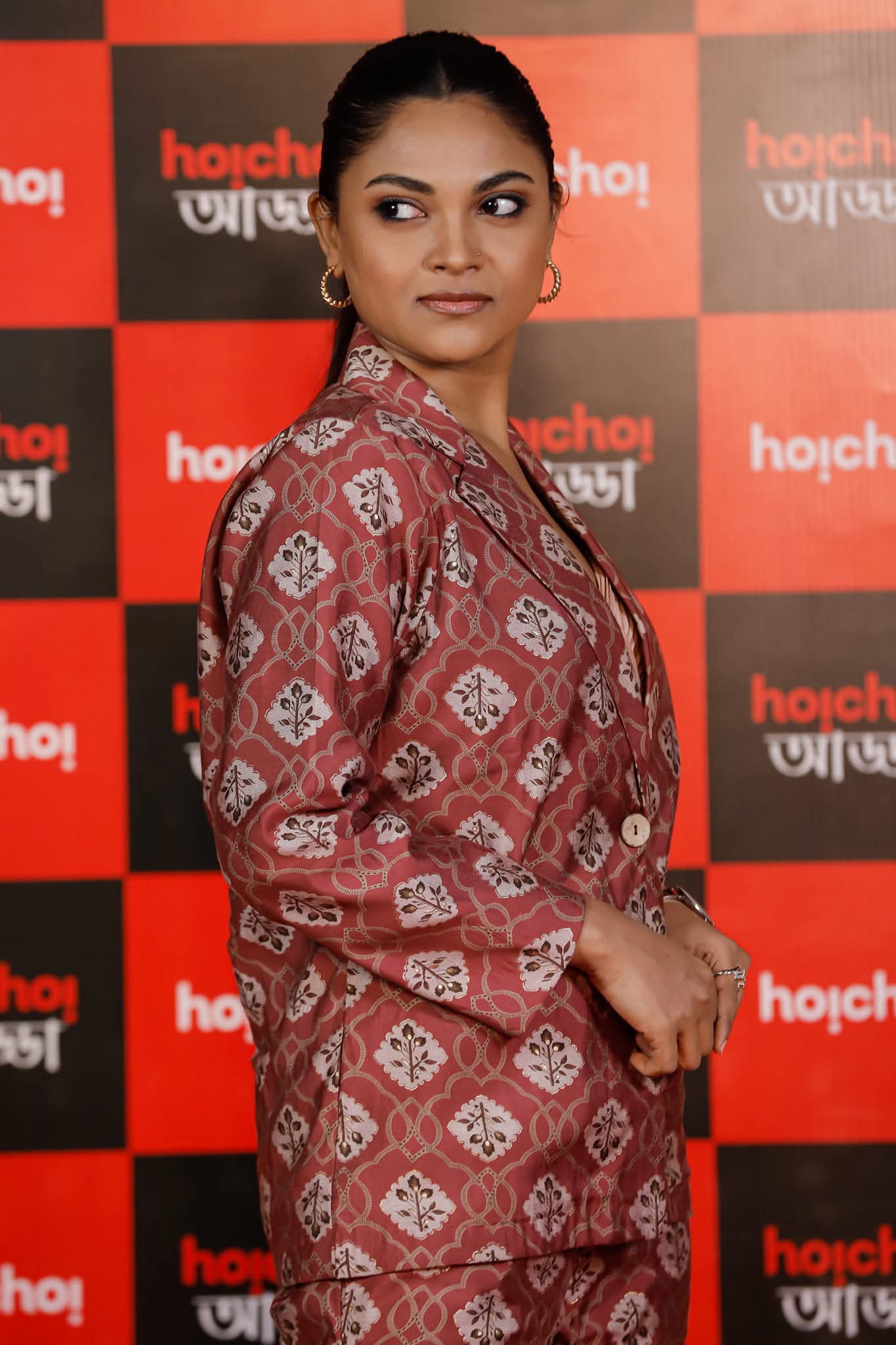
Shimu was also featured in “Once Upon a Time in Calcutta”, directed by Aditya Vikram Sengupta, which had its world premiere at the prestigious Venice Film Festival.
Alongside her flourishing acting career, Shimu has always sought ways to contribute positively to society. Through her roles — such as portraying female garment workers in “Under Construction” — she discovered a deeper sense of responsibility. “While performing, I realised that my work could be more than just acting; it could inspire, empower, and send positive energy to society,” she says.
Last year, Shimu found her next step when she learned about IWPG’s (International Women’s Peace Group) Peace Leadership programme in South Korea. The organisation stands in solidarity with women around the world to build a sustainable world of peace through solidarity, education, and international cooperation.
She reached out with her profile, and the response was immediate. “They welcomed me with open arms. They said, ‘It’s a huge deal for us to have an artiste from Bangladesh joining our mission.’ I felt truly seen and encouraged,” she recalls. She also mentioned that she is the first actress from Bangladesh to be involved in the initiative. “Previously, women from other sectors and professions, including the arts, have joined the initiative; however, they confirmed that, as an actress, I am the first one.”
The experience, she says, was transformative. “Through virtual sessions, I met participants from all over the world — people with different perspectives, cultures, and experiences. Sharing our thoughts and listening to theirs made me realise that I am not alone in this work. There is a whole global community committed to peace, and I am part of it.”
Shimu explains how the programme shaped her understanding of leadership and social responsibility. “I came to see that promoting peace is not just about big gestures; it’s about small, daily actions. Listening, learning, and supporting others can create ripple effects. Even my own inner peace matters, because it helps me contribute more effectively to society.”
Recently, IWPG offered her the opportunity to become a peace advocate. “It’s a role that excites me deeply,” she says. “I can help spread awareness, connect with more people, and inspire others to take action in their own communities. It’s about making peace a shared, tangible goal.”
For Shimu, the programme’s greatest lesson has been connection. “No matter where we are in the world, we are linked by our shared experiences and aspirations for peace,” she says. “If I can grow, learn, and take care of myself, I can also help my society grow. In many ways, art has become the bridge to this larger purpose.”
Apart from that, Shimu has worked on Rubaiyat Hossain’s upcoming project, “The Difficult Bride”, sharing the screen with Azmeri Haque Badhan, Zaineen Karim and Sunerah Binte Kamal.
The film received a prestigious grant of €80,000 — approximately Tk11.6 million — as a winner of the Fondazione Prada Film Fund at the 76th edition of the Berlin International Film Festival, alongside 13 other films from around the world. This marks the second time the project has secured funding from one of the world’s most renowned film platforms.
In 2022, the film received €50,000 at the 37th session of the World Cinema Fund.
“Working with Rubaiyat Apu as a woman, an artiste, and an actor has been an immense honour and a true joy for me. The way she helps an actor immerse themselves in their character is genuinely remarkable. She always encourages us to discover the character from within ourselves.”
Shimu also notes that in most of Rubaiyat’s films, many women — both local and international — collaborate in key roles. Even in “The Difficult Bride”, talented women from around the world are contributing.
“Working here has given me a clear realisation — women across the globe face similar struggles and share similar dreams. Only the languages and cultures differ, but our experiences are largely the same,” she says.
“I firmly believe that women’s solidarity is our greatest strength. When we listen to each other’s stories and stand by one another, our voices become stronger. As artistes, we have a powerful way to express our thoughts through cinema — a medium that allows us to connect with the world and share these experiences.”
 For all latest news, follow The Daily Star's Google News channel.
Comments