


Energy crisis demands strict budget discipline now

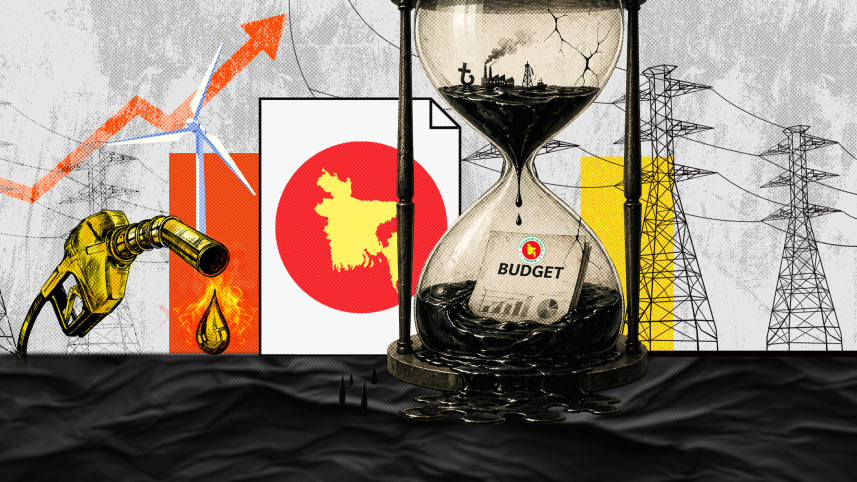
The ongoing geopolitical tensions involving the US, Israel, and Iran have again exposed how vulnerable the international energy markets are to conflicts and strategic rivalries. For Bangladesh, an economy that’s heavily reliant on fuel imports and has limited fiscal flexibility, this shock presents an immediate macroeconomic challenge. The upcoming national budget for FY2027 should, therefore, go beyond minor adjustments and adopt a transparent, rules-based and forward-looking policy approach.
Managing the transmission channels of a global fuel shock is a complex task. The primary impact is inflation as an increase in global oil and LNG prices raises domestic transport costs, which in turn affects food prices and overall living expenses. Bangladesh has been experiencing persistently high inflation for about three years, which at times reached double digits. In March 2026, point-to-point inflation was 8.71 percent. An energy-driven price surge could reinforce inflation expectations, making it more difficult for the monetary policy to stabilise prices without risking further economic slowdown.

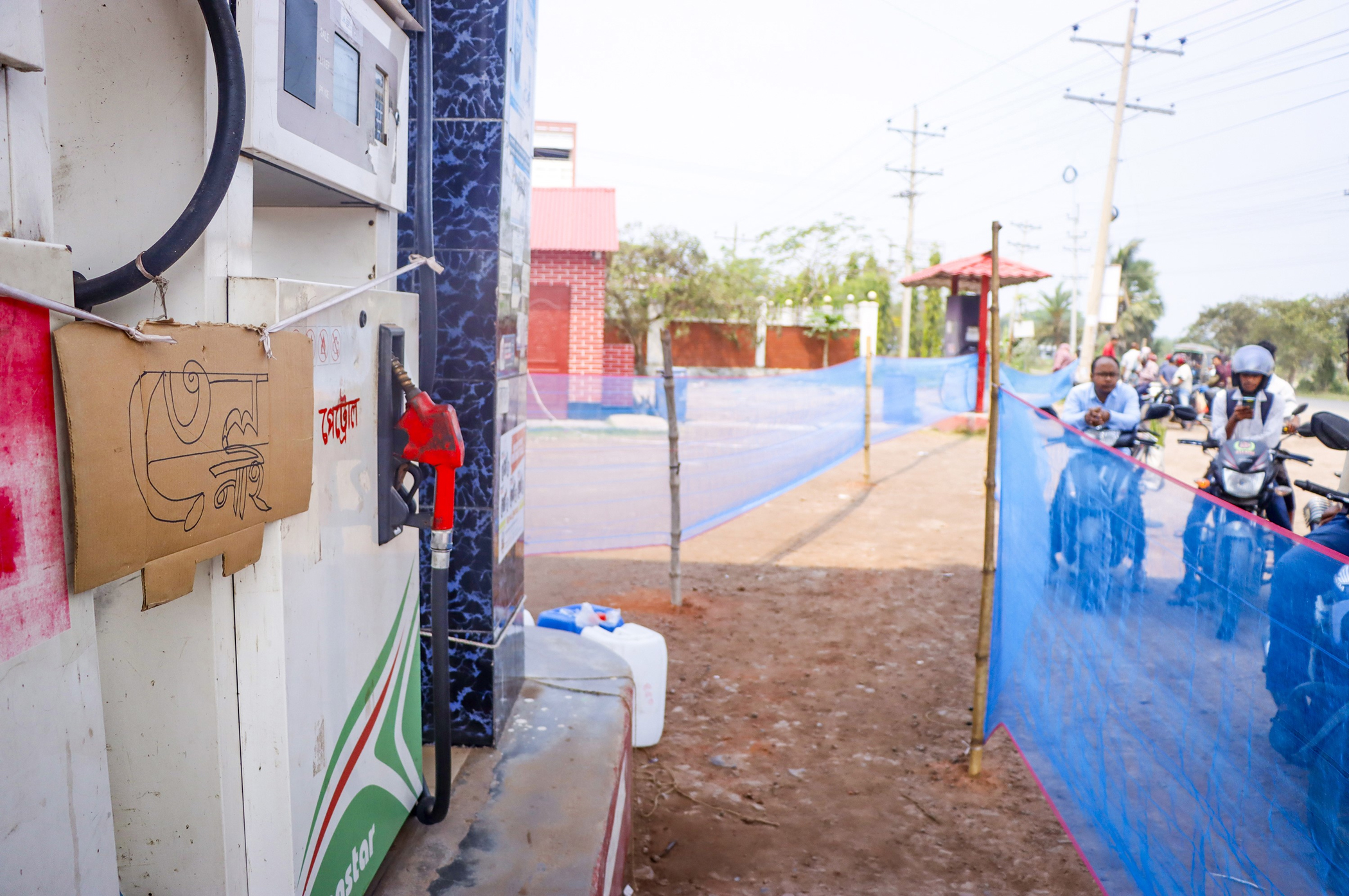
The external sector is just as vulnerable. Bangladesh depends heavily on imports for nearly all its petroleum and a growing amount of LNG for power. When global fuel prices rise, the effects are felt here immediately: trade deficit widens, foreign exchange reserves are strained, and maintaining exchange rate stability becomes more difficult. In FY2022 and FY2023, the country’s reserves declined sharply due to a surge in the global energy and commodity prices as the Russia-Ukraine war broke out. For example, the reserves, which stood at $46.48 billion on November 3, 2021, shrank to $25.92 billion on July 31, 2024 (estimated in the traditional method before the introduction of IMF’s BPM6 method). This prompted import restrictions and currency adjustments. A new energy shock could bring these same pressures back, especially since forex reserves still remain fragile.
The growth implications are equally harmful. Rising energy costs increase expenses for industry, agriculture, and transportation. Sectors that rely heavily on energy—especially textiles, manufacturing, and irrigation-dependent farming—experience shrinking margins and less competitiveness. As a result, investment decisions are postponed or reduced, further dampening the already stagnant private investment, which has hovered around 22-24 percent of GDP for over a decade. In FY2025, it further declined to 22.03 percent of GDP. In this context, the energy shock is more than a price concern; it acts as a barrier to structural change.
The main constraint remains fiscal. Bangladesh’s fiscal situation is strained, with a tax-GDP ratio at 6.73 percent in FY2025—one of the lowest among peer economies. While subsidies for electricity and fuel have historically helped stabilise the economy, they have also imposed a continuous fiscal burden. The Bangladesh Power Development Board (BPDB) requires significant annual subsidies to cover the difference between generation costs and retail prices. When global fuel prices rise, the subsidy burden grows rapidly, creating a difficult policy choice. That is, the government either has to fund it through higher fiscal deficits or pass the costs to the consumers via price hikes, which could fuel inflation.
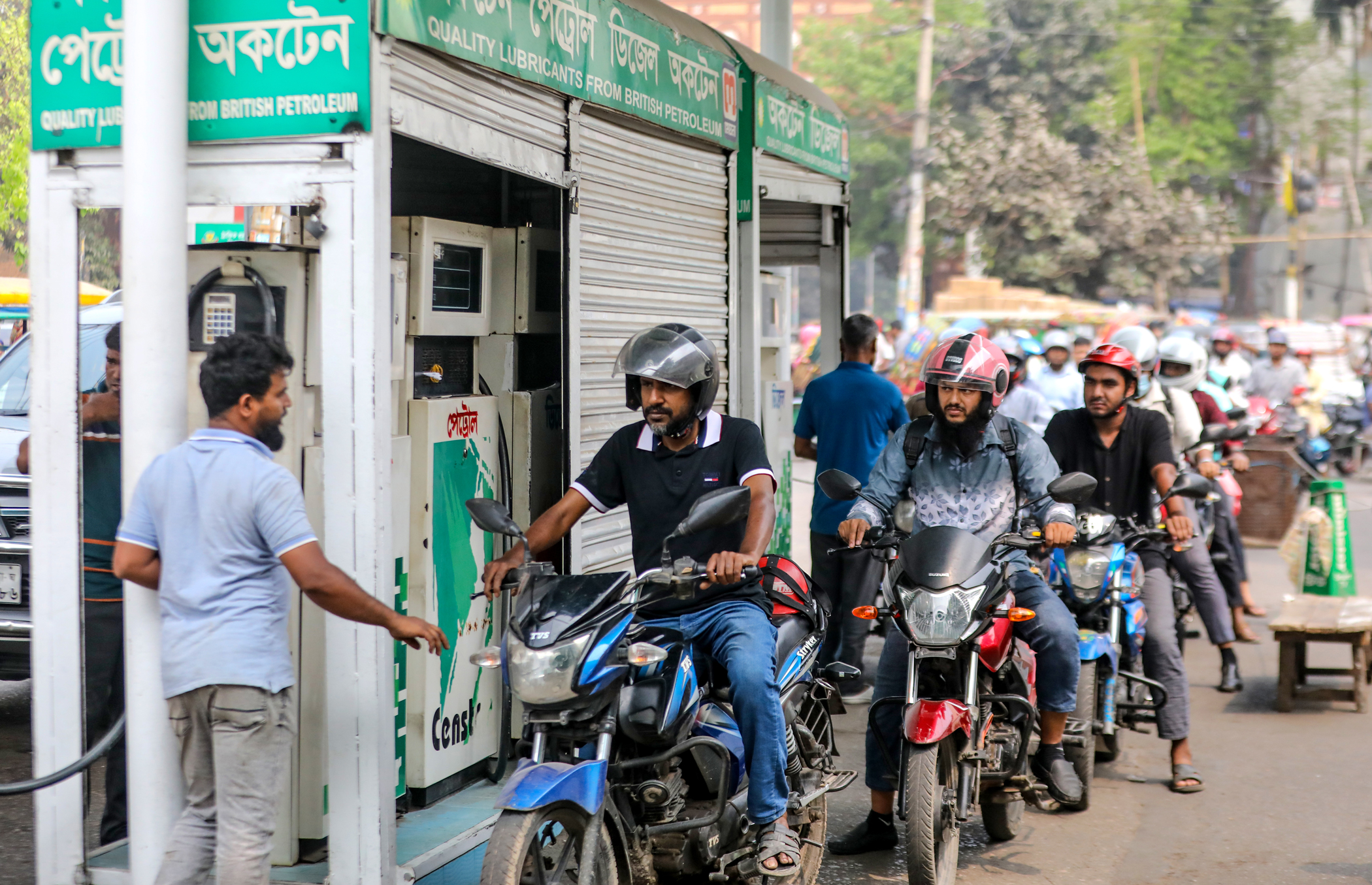
In this context, the next budget should prioritise policy credibility over short-term gains. First, the government has to establish a transparent, rules-based fuel pricing mechanism. The existing method, characterised by irregular and sudden changes, creates uncertainty. Implementing a formula-based system that gradually adjusts domestic prices in line with international trends would mitigate fiscal risks and enhance predictability. This mechanism should incorporate smoothing measures to prevent sharp price spikes, while still reflecting market conditions.
Second, the subsidy system should be reformed. Wide-ranging energy subsidies are expensive and tend to benefit wealthier households and energy-intensive industries rather than helping the poor. Therefore, the budget should be reallocated to a more targeted subsidy approach that supports sectors where intervention is both economically sound and socially needed. For instance, the agriculture sector needs temporary support for irrigation costs, and public transport subsidies could help reduce urban expenses. Providing direct financial assistance to low-income households through the existing social welfare programmes would be more effective than applying universal price controls.
Third, boosting revenue is critically important. Bangladesh continues to face revenue deficits that underpin its fiscal fragility. The National Board of Revenue (NBR) frequently falls short of its targets, revealing both administrative challenges and broader political economy issues. The budget must include tangible steps to broaden the tax base, reduce exemptions, and enhance compliance. Digitalising VAT systems, integrating tax databases, and applying stricter enforcement against evasion are essential to ensure fiscal sustainability.
Fourth, the government needs to control non-essential spending. When budgets are tight, prioritisation is key. Resources should focus on sectors that boost productivity and resilience rather than being spread thin across low-impact projects. This includes investing in energy infrastructure, logistics, and human capital, which offer long-term growth benefits. Fiscal consolidation isn’t about blanket austerity; it’s about making careful decisions to ensure that public funds are used where they provide the most value.
Fifth, in addition to immediate fiscal actions, the budget must tackle the structural challenge of energy security. Bangladesh’s dependency on imported fossil fuels creates a strategic weakness. Diversifying energy sources is essential, not just for environmental reasons but also for economic stability. Accelerating investments in renewables is crucial. Although renewables currently make up only 5.37 percent of the country’s energy mix, there is considerable potential, particularly in distributed solar systems and rooftop installations.
Sixth, efforts must be put into expanding domestic gas exploration. While the country’s proven gas reserves are limited, adopting advanced exploration technologies and forming partnerships with international companies could uncover more resources. Additionally, infrastructure efficiency must be enhanced as system losses in power generation and distribution incur hidden costs for the economy. Tackling these inefficiencies can provide immediate fiscal and economic advantages.
Seventh, strategic fuel reserves are essential. Many countries maintain reserves to buffer against short-term supply disruptions and price spikes. Currently, Bangladesh’s reserve capacity is limited. The budget should allocate funds to build and maintain strategic petroleum and LNG reserves as a buffer against external shocks.
Last, the budget should incorporate a contingency plan for external shocks. As geopolitical conflicts and supply chain disruptions increase global economic uncertainty, the fiscal policy must stay adaptable to address unforeseen events without compromising discipline. This could include setting aside contingency funds or creating specific procedures for emergency spending.
The main message is clear. The external shocks have become structural rather than occasional. The global economy faces heightened volatility driven by geopolitical and economic influences that impact energy markets, trade, and financial systems. For Bangladesh, it is crucial to incorporate resilience into the foundation of macroeconomic policies.
The FY2027 budget should serve as more than an annual financial report. It must act as an indicator of policy credibility. It should reflect a decisive move towards rules-based governance, fiscal discipline, and strategic investment. Dependency on ad hoc measures and short-term fixes will increase vulnerabilities. Instead, a cohesive framework is essential to harmonise immediate stabilisation with long-term transformation.
Dr Fahmida Khatun is an economist and executive director at the Centre for Policy Dialogue (CPD).
Views expressed in this article are the author’s own.
Views expressed in this article are the author's own.
Follow The Daily Star Opinion on Facebook for the latest opinions, commentaries, and analyses by experts and professionals. To contribute your article or letter to The Daily Star Opinion, see our guidelines for submission.
 For all latest news, follow The Daily Star's Google News channel.
Comments