


Banking cannot continue the way it is

After more than 35 years in commercial banking, I have seen a troubling pattern: persistently high non-performing loans, limited product innovation, weak risk management, a shortage of capable and transformational leadership, and undue interference by owner directors. Over time, these have become almost normal. They are compounded by uneven central bank supervision, outdated technology and limited institutional capacity to respond to shocks.
Meanwhile, global banking is changing rapidly. Technological advances, shifting customer expectations and new economic realities are reshaping how banks operate. Some institutions are struggling to keep up; others are moving ahead with stronger governance, modern systems and forward-looking strategies. This widening gap poses a pressing question: what will banking look like in the coming decade, and can our local banks remain competitive?

There are signs of progress. Several commercial banks in Bangladesh have begun centralising operations to improve efficiency and oversight. Effective centralisation brings large corporate and retail branches under unified control, strengthening governance while improving risk management and customer service. At the same time, the expansion of digital banking services is making transactions quicker, simpler and more accessible.
Banks are also placing greater emphasis on customer relationship management (CRM). Many have invested heavily in technology and staff training, and that effort is set to continue. Customers initially faced disruption, but many are now seeing the benefits. Banks are working to understand each client’s overall financial needs and to offer tailored solutions. Relationship managers (RMs) are being deployed to integrate corporate banking, foreign exchange and personal financial services, enabling clients to access a full range of services through a single point of contact.
Lending strategies are shifting as well. Banks increasingly recognise that heavy reliance on traditional instruments such as cash credit is unsustainable. The focus is moving towards mobilising low-cost deposits and boosting profitability through a more balanced mix of corporate and retail banking.
To support this transition, banks are investing in digital platforms, data analytics, artificial intelligence and blockchain. AI, including generative AI, is beginning to transform financial services by enabling personalised advice and sharper market insights. Robo-advisers, for example, can analyse market trends and customer behaviour to provide recommendations aligned with individual risk profiles.
AI is also improving efficiency. Chatbots now handle routine enquiries such as account balances or transaction histories, cutting waiting times and operating costs. More advanced tools can assess financial statements, support credit decisions, detect fraud in real time and streamline processes, including customer onboarding, loan approvals and regulatory reporting. These innovations enhance service quality while reducing administrative pressure.
The revenue model must evolve, too. A balanced bank should aim for an equal split between interest income and fee-based income. Leading institutions are placing greater weight on fee-based services such as corporate advisory, foreign exchange, structured finance and syndication, where risks are shared. This reduces dependence on traditional lending and strengthens balance sheet resilience.
Risk management will determine future success. To manage interest rate volatility, banks are prioritising short-term, low-cost deposits over long-term liabilities. At the same time, they must develop robust credit policies aligned with emerging investment trends and economic needs.
Ultimately, the future of banking will be shaped by technology, market forces and rising customer expectations. Banks can no longer confine themselves to deposit-taking and lending. They must expand into wealth management, integrate with fintech platforms and ensure secure, technology-driven transactions.
In an era defined by globalisation and rapid technological change, continuous transformation is essential for survival. Banks that fail to adapt will become irrelevant. The message is unmistakable: banking cannot continue the way it is.
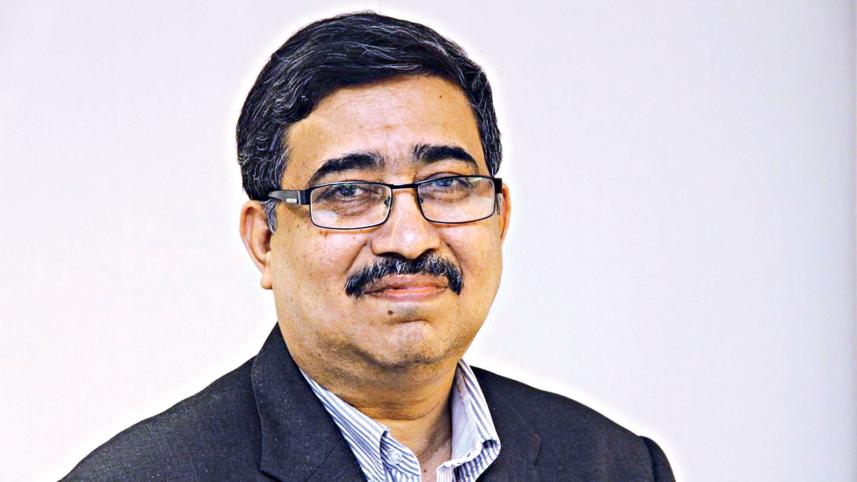
The writer is an economic analyst and chairman at Financial Excellence Limited
 For all latest news, follow The Daily Star's Google News channel.
Comments