


CUET deserves answers, not another power struggle over the VC’s office

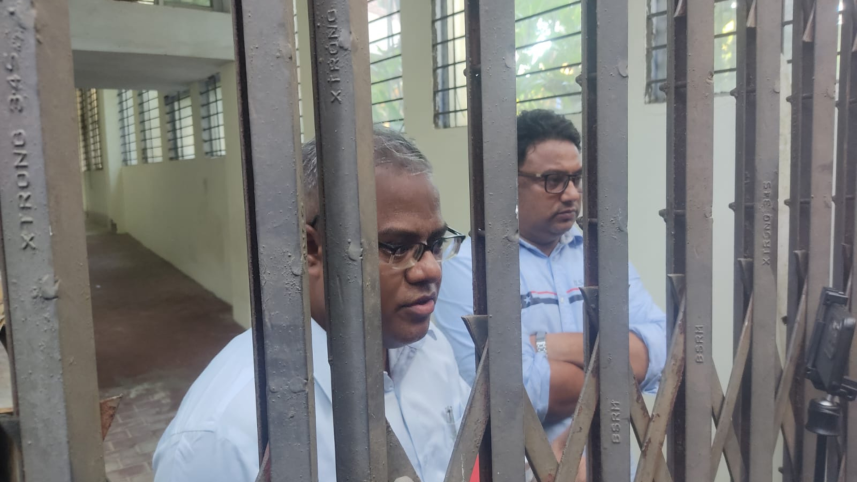
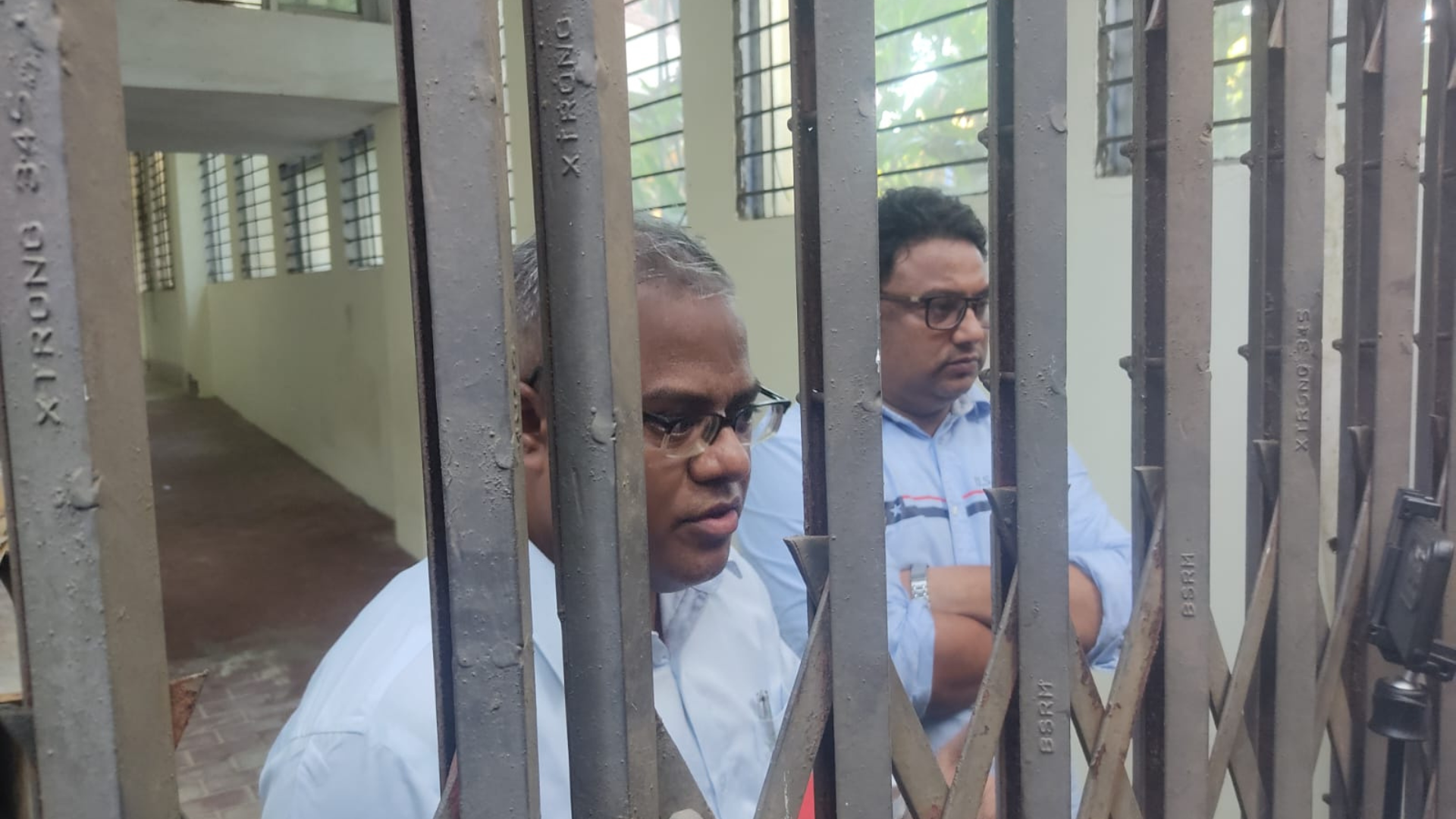
This morning, newly appointed Chittagong University of Engineering and Technology (CUET) Vice-Chancellor Prof Sheikh Shariful Alam entered his office amid a student-enforced shutdown. Accounts differ over who removed the padlock on the administrative building. By afternoon, protesting students had locked the building with him inside and cut off its electricity supply. Later, teachers, officers and staff announced complete work abstention and all-out non-cooperation.
This episode raises a more serious question than who had the right to enter the office or lock its doors. How did a university reach a point where its chief executive’s authority is contested through physical obstruction, while the government that appointed him has apparently failed to resolve the dispute?

The dispute began on September 21, when the government removed Prof Abu Sadat Muhammad Sayem just 56 days after his appointment. Prof Shariful, of Khulna University of Engineering and Technology (KUET), was named as his replacement. The notification gave no reason. A complete shutdown followed on September 22, and classes and examinations have been suspended since.
Section 10(1) of the CUET Act, 2003 provides for a four-year appointment, while Section 10(2) allows the chancellor to remove a vice-chancellor at any time without stating a reason. The absence of an explanation does not, by itself, make the removal unlawful. But should that provision justify silence on a decision affecting thousands of students, teachers and employees?
Why did the government that found Prof Sayem suitable in July replace him in September? Was there a complaint, an adverse assessment of his performance, or some other reason?
According to The Daily Star's October 6 report, students described Prof Sayem as student-friendly and praised his efforts to create opportunities for higher education and employment. Teachers also questioned his removal. Their support does not establish that he should have remained in office, but helps explain why the abrupt change drew opposition.
The choice of Prof Shariful also calls for an explanation. He was relieved of his duties as KUET's pro-vice-chancellor in April 2025 amid prolonged campus unrest. That does not establish misconduct. But how was his administrative record assessed before the ministry chose him?
The question gains weight in light of the government's assurances. On September 8, Education Minister ANM Ehsanul Hoque Milon told parliament that political identity had not been a consideration in appointments under the BNP government. Yet The Daily Star reported that at least 22 of the 30 vice-chancellors appointed by then had links to pro-BNP teachers' organisations.
Political affiliation does not automatically disqualify an academic, and those figures cannot prove that Prof Shariful was appointed for partisan reasons. They do warrant scrutiny of how candidates are shortlisted and selected. The problem is not new: a Daily Star investigation in December 2024 found that 30 of 47 vice-chancellors appointed under the interim administration had links to pro-BNP or pro-Jamaat teachers' organisations. Governments have changed, but the appointment process remains largely opaque.
The question of political influence has a more immediate dimension at CUET. According to media reports three Chhatra Dal leaders were present in Prof Shariful's office on Monday. One, Abu Sufian Al Sabit, said they entered together. Unit president Wasif Rashed told The Daily Star that they arrived later to greet him.
Accounts of the padlock differ too: Wasif said that administrative employees opened the building; Prof Shariful said students removed the lock; and The Daily Star, citing university sources, reported that he broke it himself. The teachers' association has since alleged that the vice-chancellor entered with political activists.
These accounts cannot all be correct and need to be checked. What is established is that Chhatra Dal leaders were present in the vice-chancellor's office during the confrontation. If the appointment followed proper statutory procedure, what role, if any, did they play in his entry?
The work-abstention announcement has made the impasse harder to resolve. At a press conference, CUET Teachers' Association president Prof Mohammad Ahsan Ullah said teachers, officers and staff would not cooperate with Prof Shariful and demanded Prof Sayem's reinstatement. He said he knew of no proposal from the new vice-chancellor for talks. Even if students end their shutdown, classes cannot resume normally while teachers and staff refuse to work.
The protesters' conduct deserves no less scrutiny. Students and teachers have grounds to question the removal and every right to protest peacefully. But that does not justify locking people inside a building or cutting its electricity supply. Nor can the work stoppage be treated as cost-free.
What have CUET's Syndicate and Academic Council done to protect academic activities? The university should explain what steps its statutory bodies have taken to resume teaching and examinations, instead of leaving the matter solely to the ministry and protesting groups.
The ministry should state why Prof Sayem was removed and how Prof Shariful was chosen. It should also review appointment rules that allow a four-year term to end without explanation, with transparent selection criteria, recorded grounds for premature removal and safeguards against political interference.
Neither the government nor the protesters can settle this dispute simply by insisting on their preferred outcome. Protesters cannot justify shutting down classes or confining officials. But the government cannot expect an appointment notification to answer questions about a decision it has yet to explain. The ministry owes CUET an explanation.
Arafat Rahaman is a journalist at The Daily Star. He covers education and writes on governance, rights and public accountability. He can be reached at arafat.mcj@yahoo.com.
 For all latest news, follow The Daily Star's Google News channel.
Comments