


Secrets of Ancient Waterproofing
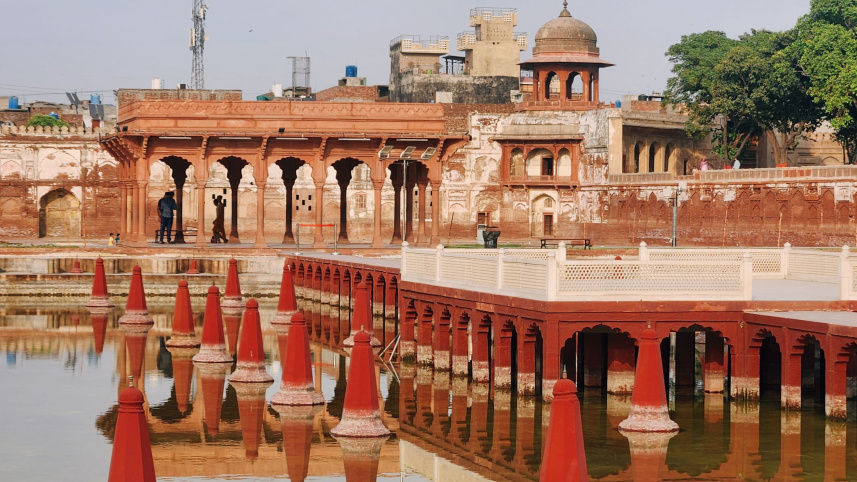
To walk through an ancient city is to listen to the whispers of monuments that have outlived their makers by millennia. There is a deep, evocative nostalgia in the sight of Roman harbours still braving the rhythmic lash of Mediterranean waves, or Mughal stepwells holding pristine waters deep within the sun-scorched earth of Rajasthan. Long before the advent of synthetic polymers, petroleum-based membranes, or computerised material science, master builders entered into an intimate dialogue with nature. They possessed a profound, intuitive chemistry-one written in volcanic ash, slaked lime, unrefined sugar, and sunken forests.
Water is the ultimate architect of decay. For thousands of years, the survival of any civilisation depended entirely on its ability to command this fluid entity: to store it, channel it, or keep its destructive ingress at bay. Today, modern construction relies on complex, short-lived chemical sealants that routinely degrade within decades. In stark contrast, the ancient world looked to the earth itself, discovering organic and mineral secrets that actually grew stronger, denser, and more resilient with the passage of centuries.

The Volcanic Alchemy of Imperial Rome
Nowhere is this enduring strength more spectacular than along the coastlines of Italy. While modern marine concrete deteriorates within half a century when exposed to harsh saltwater, Roman maritime structures have stood for over two thousand years. The secret lay in an accidental gift from the earth: pozzolana, a pinkish volcanic ash found near Mount Vesuvius and the Gulf of Naples.
Roman engineers mixed this volcanic ash with slaked lime and volcanic rock aggregate to create pozzolana concrete. When exposed to seawater, a remarkable chemical reaction occurred. Instead of eroding the material, the saline water dissolved components of the volcanic ash, allowing a rare mineral called Al-tobermorite to crystallise within the microscopic fractures. This meant that the sea did not destroy the concrete; rather, the sea acted as the final, vital ingredient that completed and continually reinforced its crystalline structure. Pliny the Elder poetically observed that this concrete became "a single stone mass, impregnable to the waves and every day stronger".
The Petrified Forests of Venice
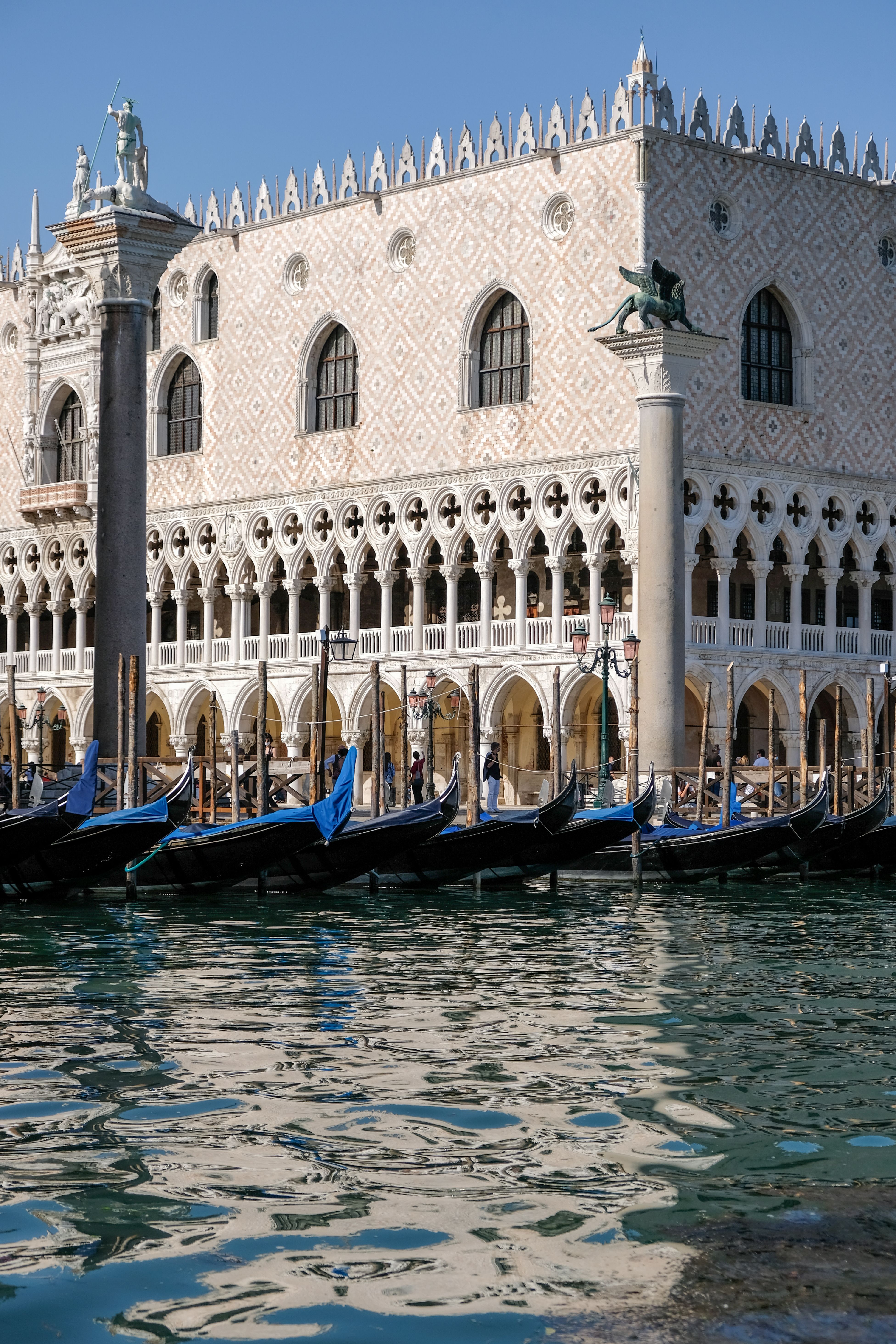
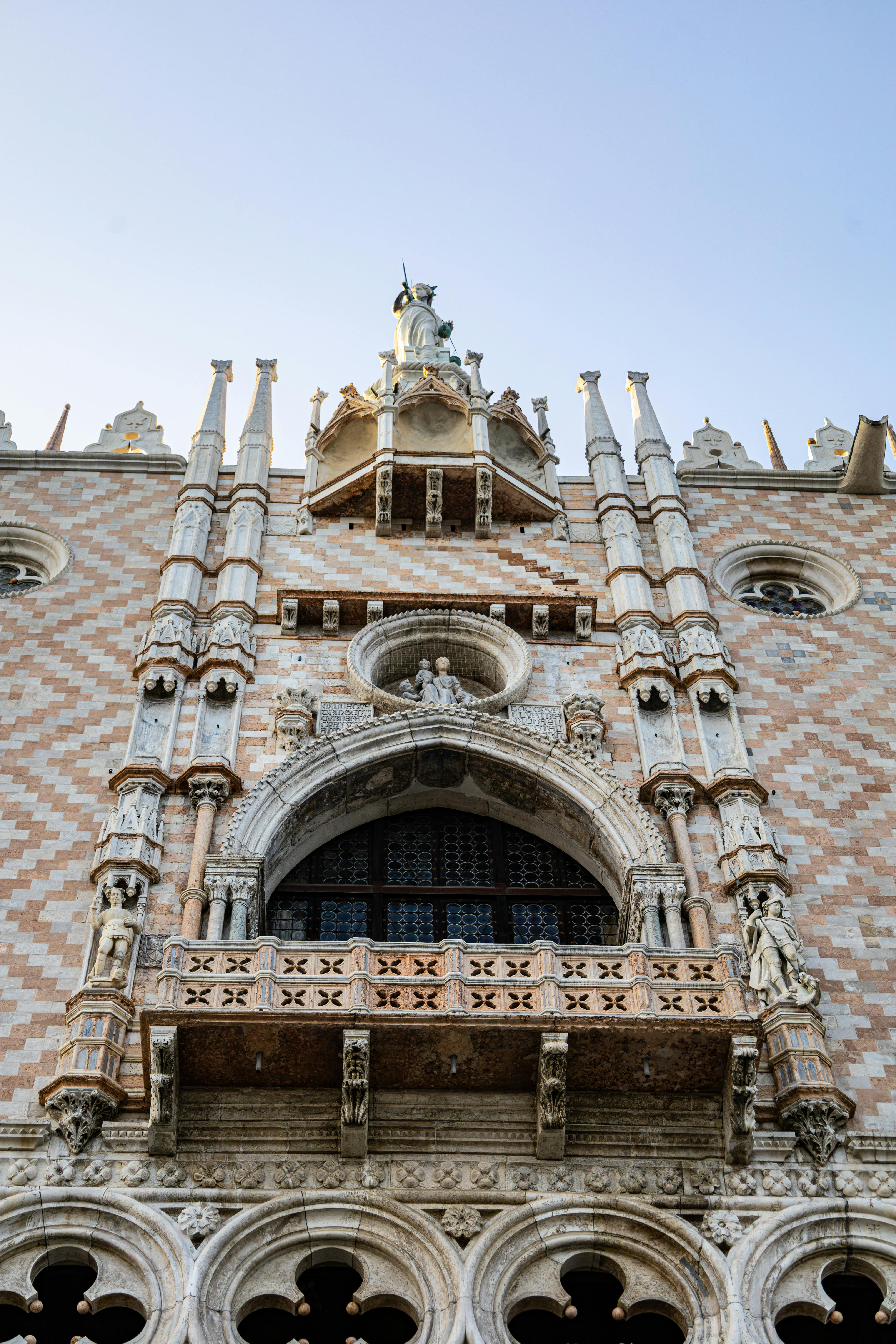
Further north, floating precariously upon a muddy salt lagoon, sits Venice. The existence of this architectural marvel defies basic engineering logic. To support heavy stone palaces like the Palazzo Ducale on unstable, waterlogged silt, Venetian builders executed an astonishing feat of foundational waterproofing using timber.
They drove millions of closely packed larch and oak piles deep into the soft lagoon bed until they hit a compressed layer of clay. Under normal circumstances, wood submerged in water quickly rots due to fungal decay. However, because these piles were driven entirely below the water table, they were completely cut off from oxygen. Lacking oxygen, the microbes responsible for rot could not survive. Over the centuries, the constant flow of mineral-rich water saturated the timber, effectively petrifying the wood and transforming the organic pilings into a virtually indestructible underground stone forest.
Sweet Subcontinental Synthetics: Jaggery and Lime
Before the invention of modern Portland cement, lime mortar served as the universal binder across continents. By roasting limestone in kilns and mixing it with water (slaking), builders created a paste that absorbed carbon dioxide from the air, slowly reverting back into hard limestone. But while the West utilised volcanic minerals to waterproof this compound, master builders in South Asia discovered that the secret to water resistance lay in the natural bounty of agriculture.
Throughout India and its neighbouring regions, traditional craftsmen perfected a specialised plastering technique that integrated organic additives into standard lime mortar. To make these mixtures waterproof, masons blended slaked lime with jaggery (unrefined sugarcane juice), along with natural resins, egg whites, lentils, and the pulp of the bel fruit. The organic sugars in the jaggery altered the crystallisation process of the lime mortar, significantly reducing its porosity and creating a highly dense, hydrophobic barrier. This unique blend allowed structures to breathe while completely repelling liquid water, providing an early, entirely organic equivalent to modern polymer-modified mortars.
Subterranean Sanctuaries: The Ancient Stepwells
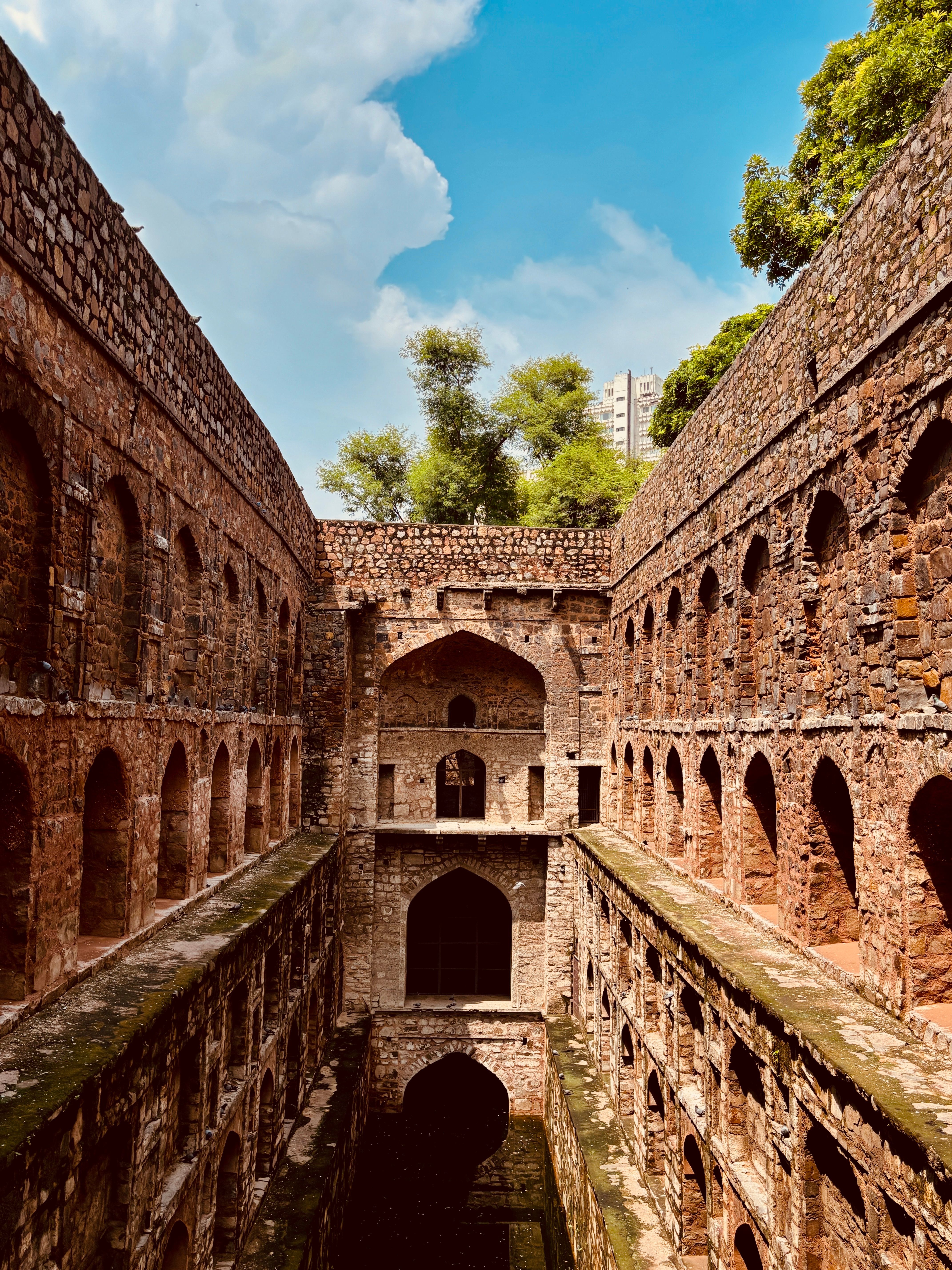
This jaggery-lime technology found its ultimate expression in the engineering of ancient Indian stepwells, known as baolis or vavs. Built between the 5th and 19th centuries, these multi-tiered, subterranean architectural wonders were designed to collect and preserve water in arid landscapes.
Stepwells had to withstand immense, conflicting pressures: the weight of the surrounding earth pushing inward, the outward pressure of the water stored within, and the relentless seasonal shifting of the water table. By utilising highly specialised lime plasters mixed with organic binding agents, ancient engineers ensured that the walls remained flexible enough to handle tectonic shifts, yet watertight enough to prevent precious water from leaching out into the surrounding dry soil.
The Mughal Mastery of Water
The pinnacle of this organic waterproofing evolution arrived with the Mughal Empire. Renowned for their lush paradise gardens, expansive reflecting pools, and complex fountains, Mughal architects required absolute waterproofing for their grand hydraulic systems.
They developed a multi-layered plastering technique known as surkhi, which mixed finely pounded burnt clay bricks with slaked lime, jaggery, and animal fats. This created an ultra-smooth, mirror-like finish that coated the interiors of fountains and canals. The combination of the hydraulic properties of the brick dust and the water-repelling qualities of the organic fats ensured that magnificent water features such as those at the Shalimar Gardens or the Taj Mahal complex could operate continuously without leaking, maintaining an eternal, cooling oasis amidst the searing heat of Delhi and Agra.
There is a profound lesson waiting in the mortar of these ancient ruins. In our contemporary rush to innovate, we have embraced synthetic chemicals with brief lifespans and heavy carbon footprints. The ancients, by contrast, looked closely at the cyclical forces of nature and engineered solutions designed for eternity. Their architecture reminds us that true sustainability does not require synthetic intervention; sometimes, it simply requires listening to the earth, the stones, and the timeless wisdom of the elements.
Afrina Sultana is a Master’s graduate from the University of Dhaka and a regular contributor to the commercial section of The Daily Star.
 For all latest news, follow The Daily Star's Google News channel.
Comments