


Breaking the Blank Wall

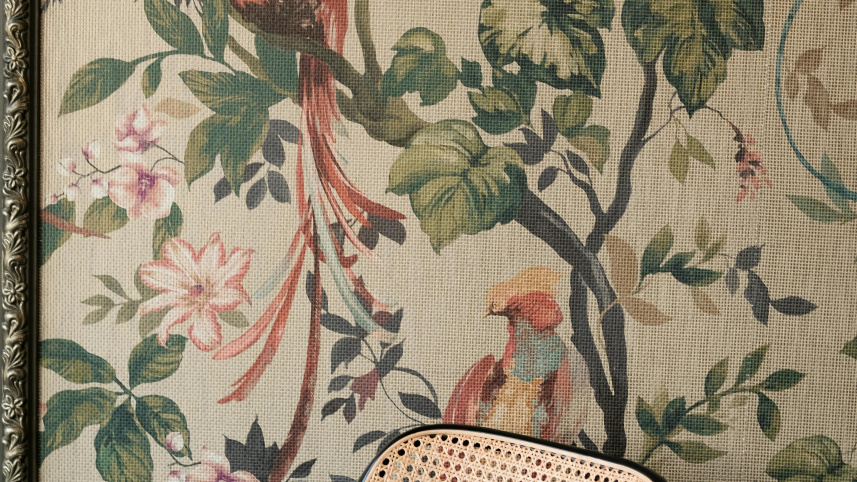
It usually begins with dissatisfaction.
A wall that looks flat no matter how many coats of paint it receives. A living room that feels finished but somehow still empty. In many modern Bangladeshi homes, especially apartments built in quick succession with identical layouts, the problem is not space but sameness. Wallpaper has quietly stepped into that gap, not as a luxury, but as a way of giving identity to otherwise neutral interiors.
As Bangladesh’s urban apartments continue to grow in number and uniformity, interior design is increasingly becoming a way for households to distinguish their spaces. Among the most visible shifts in recent years is the rise of wallpaper. Once associated with older, ornate interiors, wallpaper is now being used in modern homes as a practical and aesthetic alternative to paint. For many households, however, the decision is not simply about style. It depends on factors such as wall condition, humidity, cost, and how long the design is expected to last.

Wallpaper changes more than colour
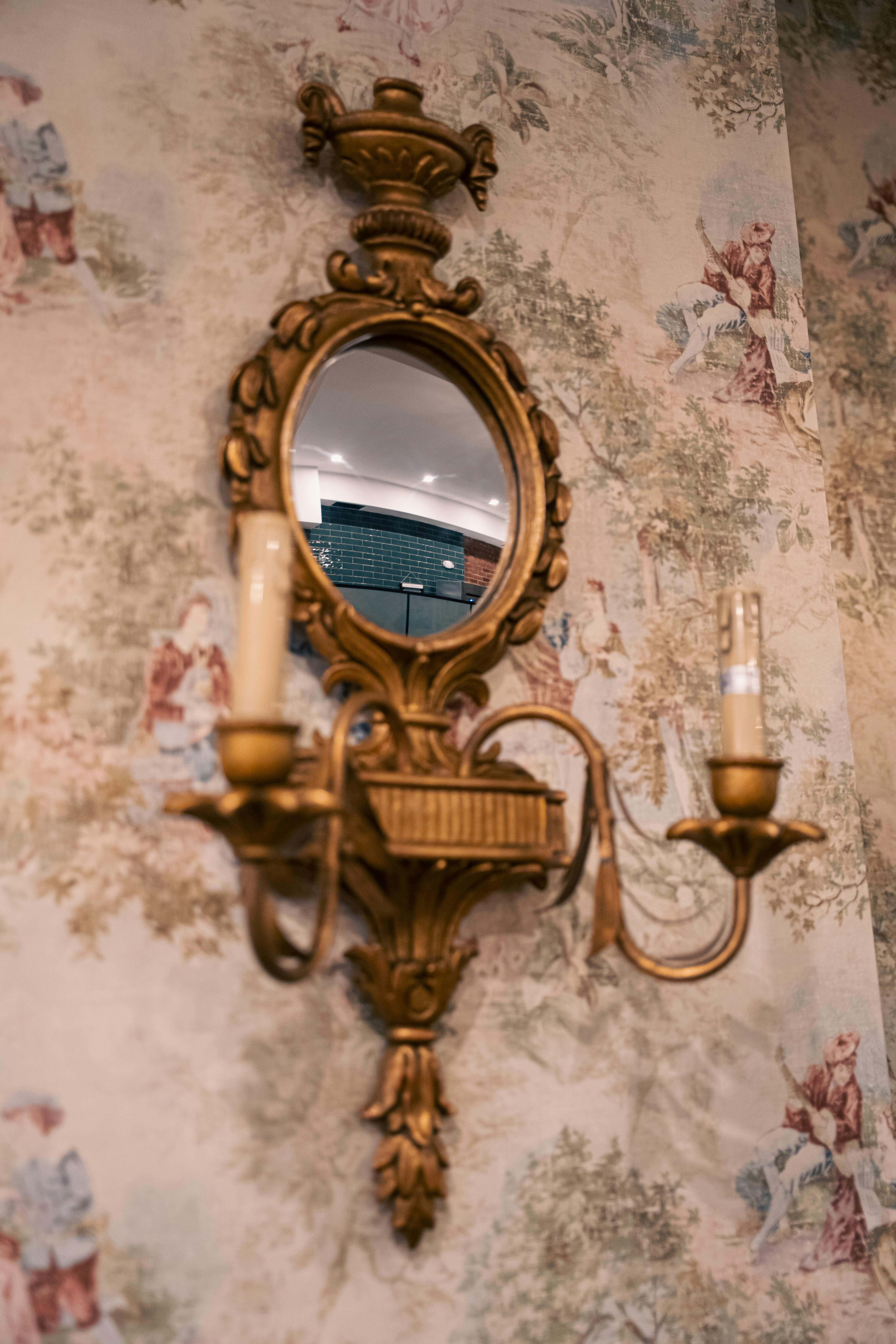
The primary appeal of wallpaper lies in its ability to alter how a wall feels, not just how it looks. Unlike paint, which provides a flat finish, wallpaper can introduce texture, pattern and depth. This is particularly useful in smaller apartments, where adding furniture or decor can quickly make a room feel crowded. A textured wallpaper can create visual layering without occupying physical space, while patterned designs can serve as focal points behind bed, sofa or television unit.
Durability is another reason for its growing popularity. In Bangladesh’s humid climate, painted walls often require frequent maintenance due to fading, staining or uneven surfaces. By contrast, good-quality wallpaper, especially vinyl-based types, can last several years with minimal change in appearance. Many options are also wipeable, making them suitable for everyday use in living areas. However, wallpaper is not a direct replacement for paint in every situation. It requires a more deliberate approach to installation and maintenance.
The practical limits of wallpaper
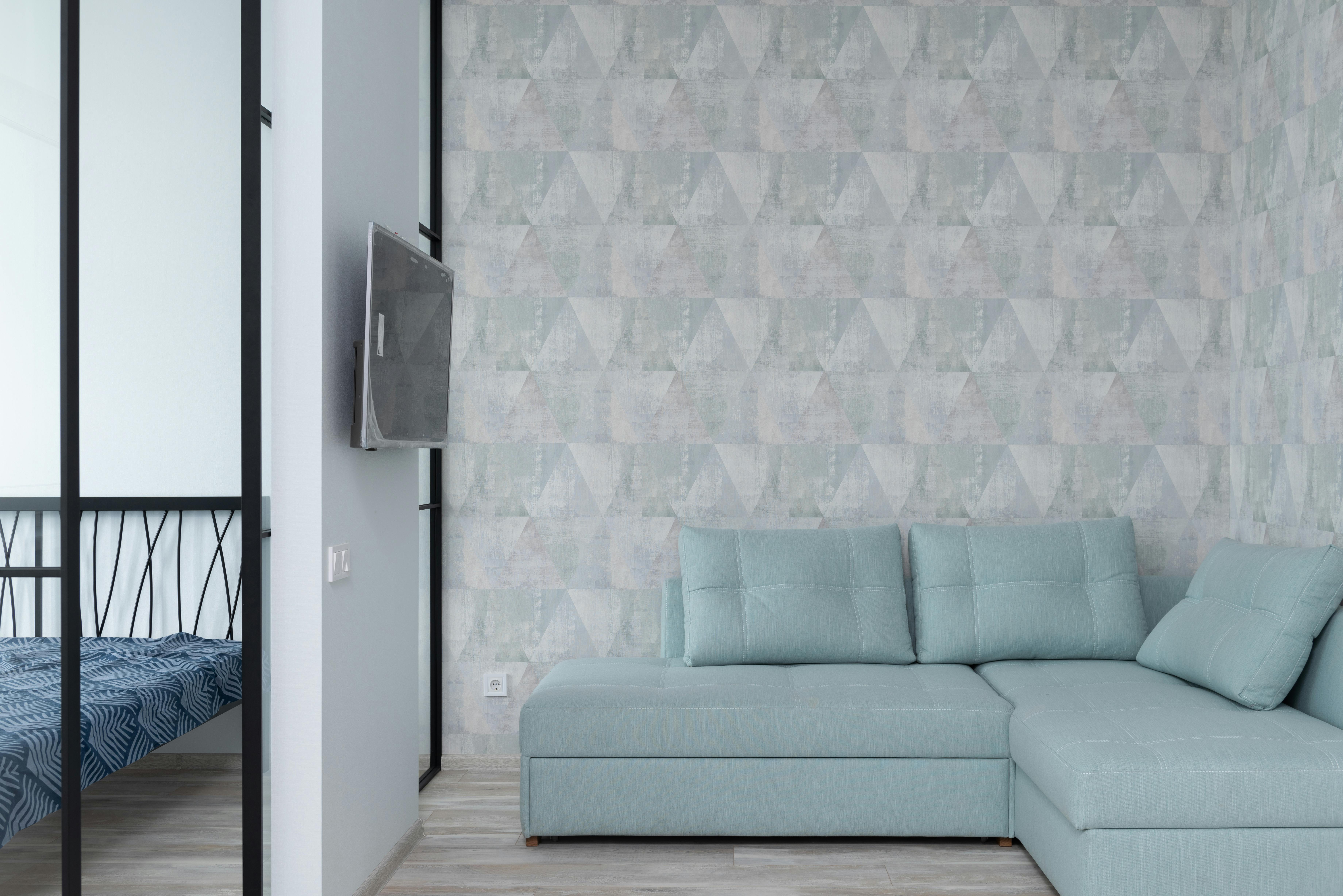
One of the most important considerations is the condition of the wall itself. Wallpaper does not repair surfaces. If a wall has dampness, leaks or structural cracks, applying wallpaper can trap moisture and worsen the problem over time. Stains may eventually show through, and the adhesive can weaken, leading to peeling. In many Bangladeshi homes, particularly older ones, proper wall treatment is essential before installation.
Humidity also affects performance. Even high-quality wallpaper can fail if installed in poorly ventilated or damp environments. This makes wallpaper less suitable for kitchens, bathrooms or areas with persistent moisture unless specialised materials are used. Cost further limits its universal use. Compared to paint, wallpaper requires higher upfront investment and often professional installation. Removing or replacing it is also more labour-intensive, making it less flexible for households that prefer frequent redesign.
What the market in Bangladesh looks like
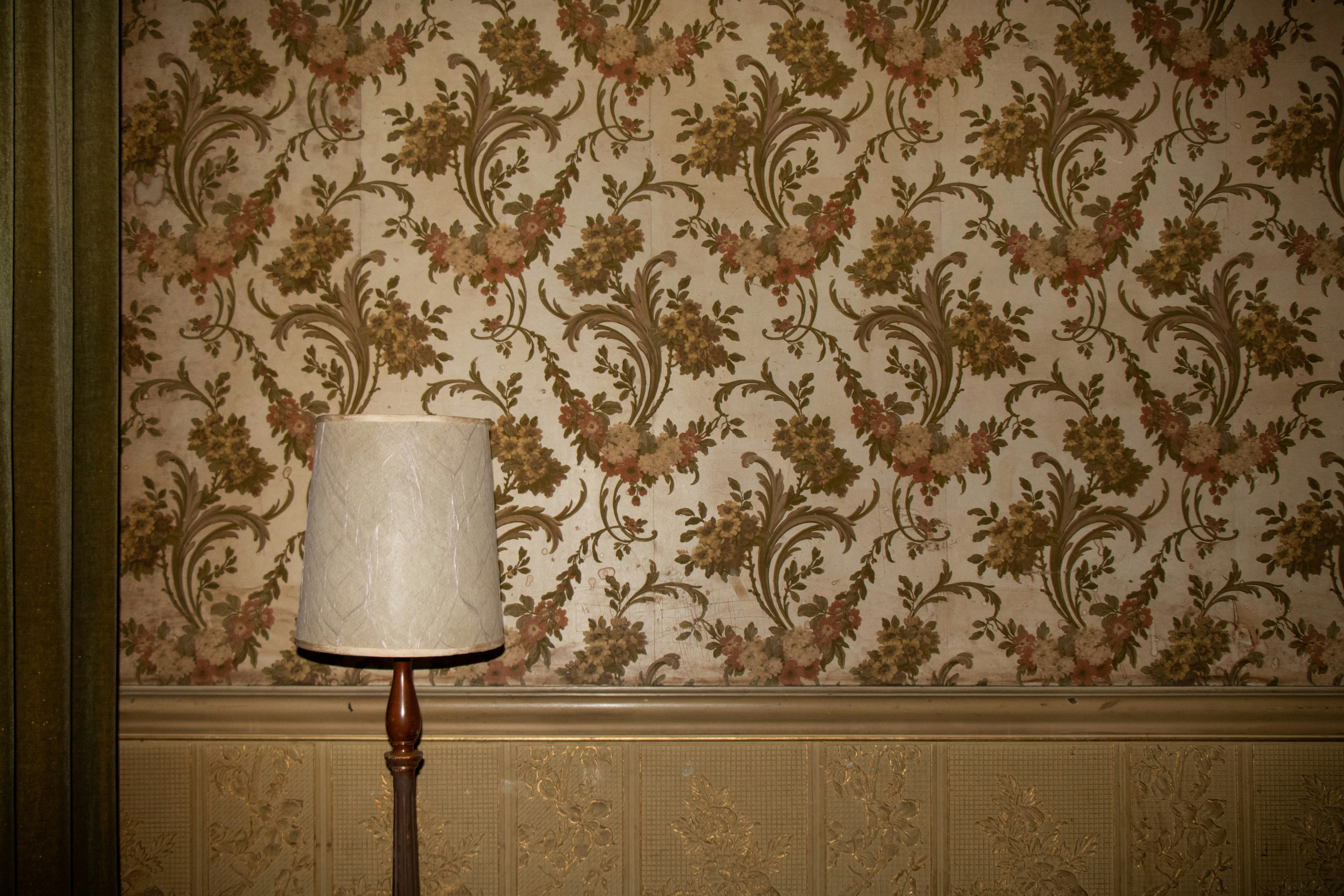
The wallpaper market in Bangladesh has expanded significantly in both offline and online market place. A wide range of materials and styles are now available to suit different budgets and preferences.
Vinyl wallpaper remains the most common option due to its durability and ease of cleaning. Non-woven varieties, made from a mix of natural and synthetic fibres, are gaining popularity for their breathability and easier installation. Textured wallpapers, such as embossed or fabric-like finishes, are widely used to create feature walls that mimic materials like brick, concrete, or linen. Peel-and-stick wallpaper has also emerged as a flexible alternative, especially for renters. While easier to apply and remove, these options generally do not offer the same finish or longevity as professionally installed wallpaper.
Prices vary depending on quality and origin. Budget wallpapers typically range from 80 to 150 taka per square foot, mid-range options from 150 to 300 taka, and premium imports can exceed that range significantly. Installation usually adds another 30 to 80 taka per square foot. As a result, many households opt to use wallpaper selectively rather than across entire rooms.
How to decide if it works for your home
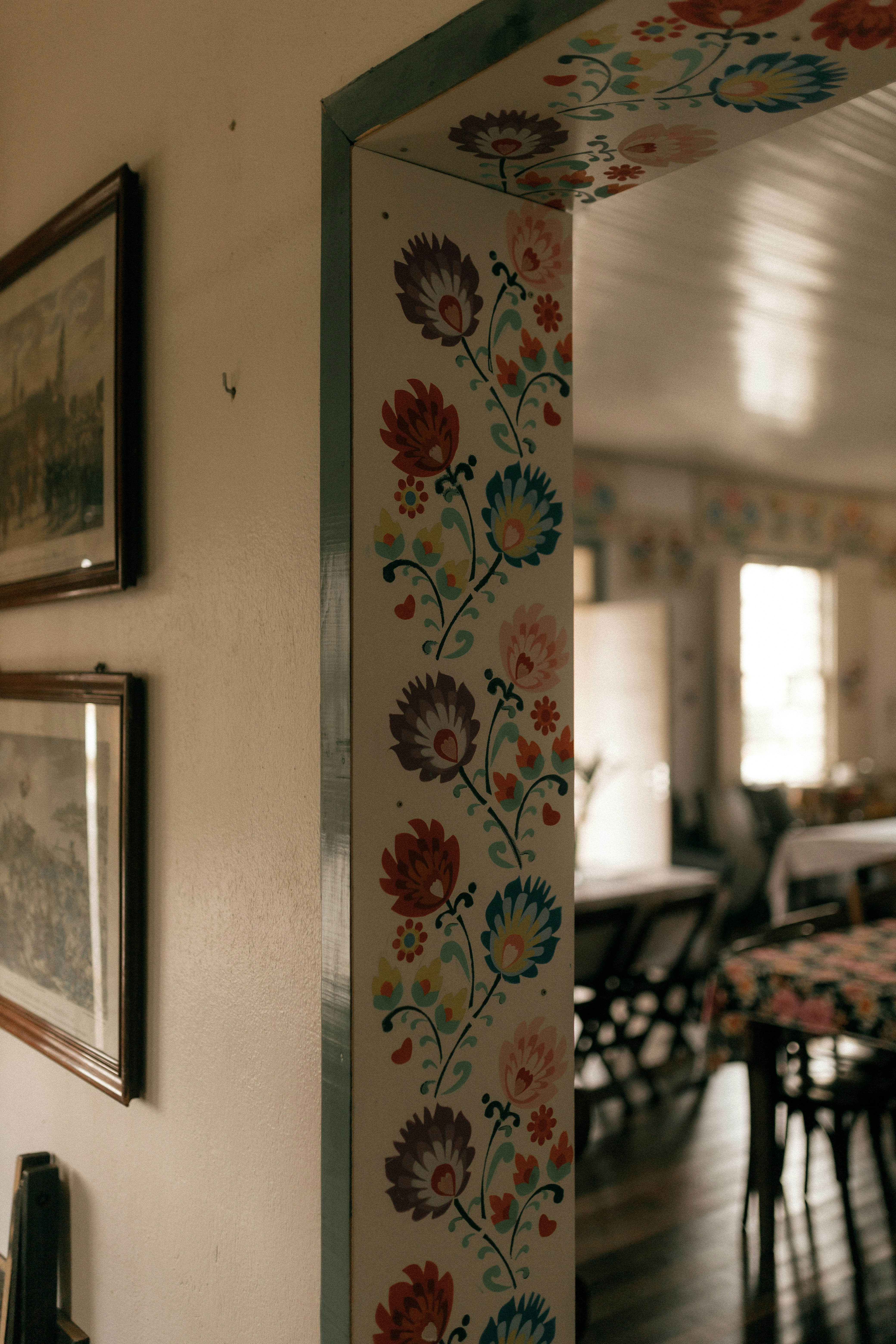
Wallpaper is most effective when used with intention. Rather than covering every wall, many homeowners choose a single feature wall to introduce texture or pattern while keeping the remaining surfaces painted. This approach reduces cost, avoids visual overload and makes future changes easier.
Texture plays a particularly important role in this decision. Subtle textures can make a room feel more refined and layered, while stronger patterns create visual emphasis. In smaller spaces, lighter tones help maintain openness, whereas darker shades can create a more enclosed, intimate atmosphere if used carefully.
Material choice also matters. Vinyl is generally the most practical for everyday use. Non-woven wallpapers provide better airflow, which can be beneficial in humid conditions. More delicate materials, such as fabric-based wallpapers, require careful upkeep and are less forgiving in environments with dust or moisture.
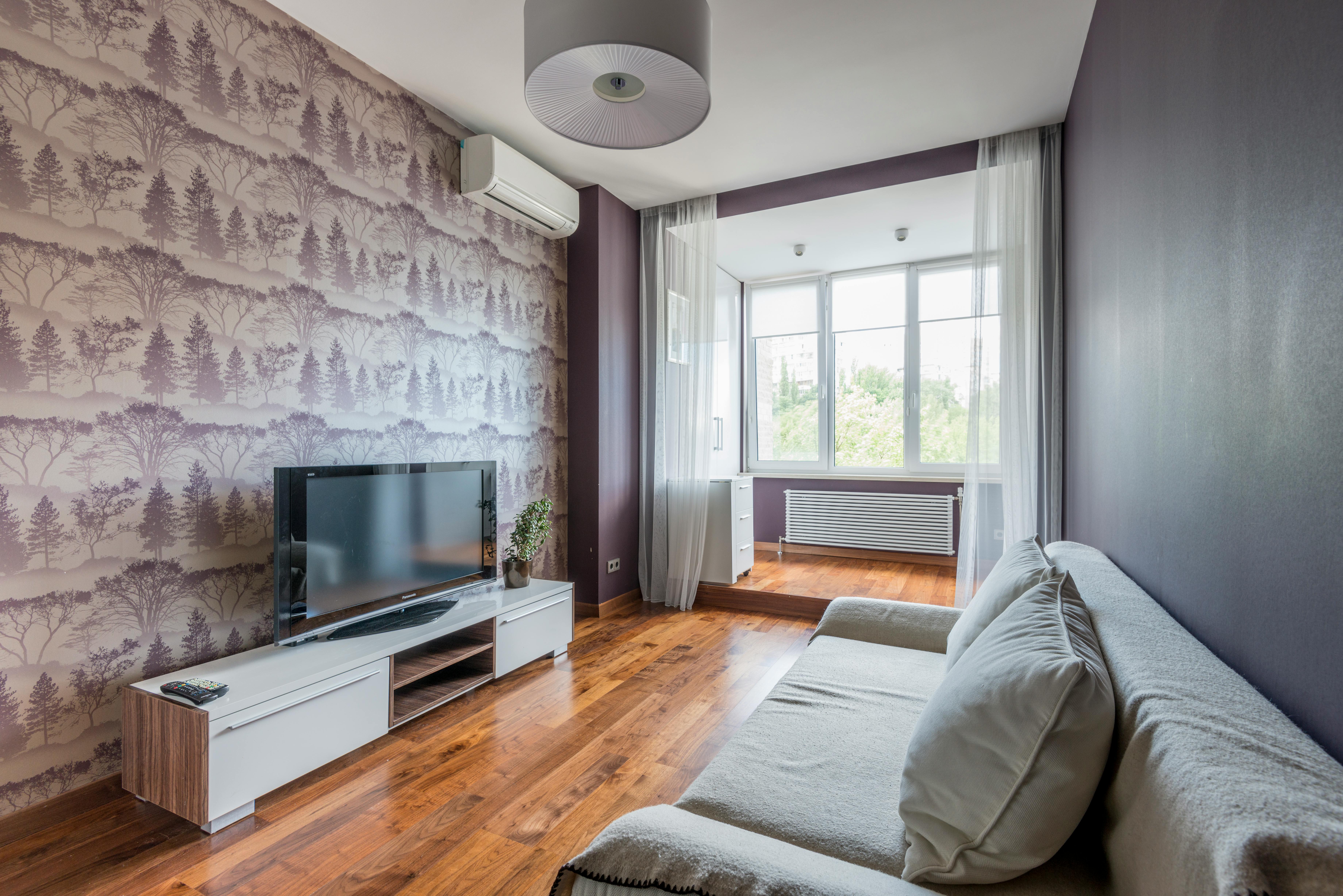
Ultimately, wallpaper is best suited for households looking for a longer-term aesthetic solution rather than a temporary update. It works well in controlled environments such as bedrooms and living rooms, where conditions remain relatively stable and design preferences are unlikely to change frequently. In the context of modern Bangladeshi living, wallpaper is a considered choice. When used thoughtfully, it can transform a wall from a passive surface into a defining element of the home.
 For all latest news, follow The Daily Star's Google News channel.
Comments