


10 no-nonsense lesson for your first trek

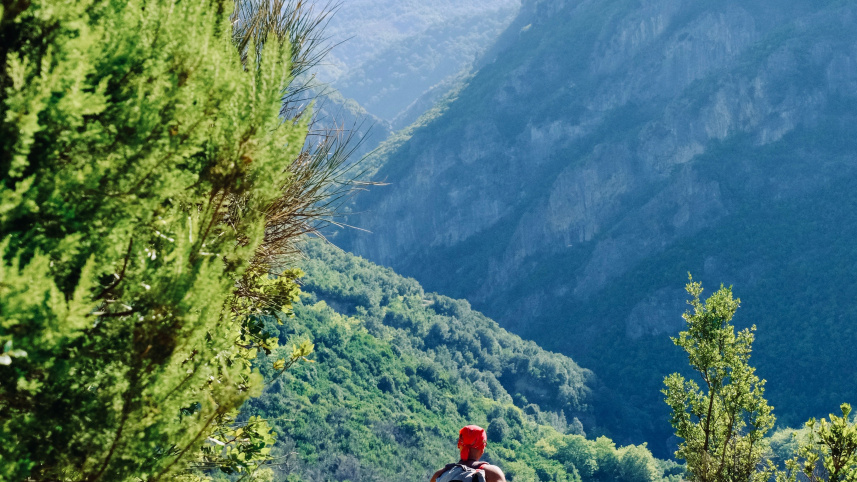
So, you’ve finally decided to swap your office chair for a mountain trail? Hiking for the first time is exhilarating, but without a plan, it can quickly turn into a survival movie you didn’t audition for.
K Tanzeel Zaman, a seasoned travel enthusiast who has conquered everything from the rugged terrains of Bandarban to the majestic Himalayan ranges of Nepal.
Here are 10 things to remember while planning your first hike:
1. Mindset Over Muscle
You don’t need to be an Olympic athlete to start. Tanzeel admits that during his first hike, he carried a bit of a "tire of a belly," yet he made it. "Mindset is the first and foremost thing you should strengthen," he says. Gear and fitness come second; the will to keep moving when your legs scream ‘stop’ is what gets you to the peak.

2. Avoid the Boot Blunder
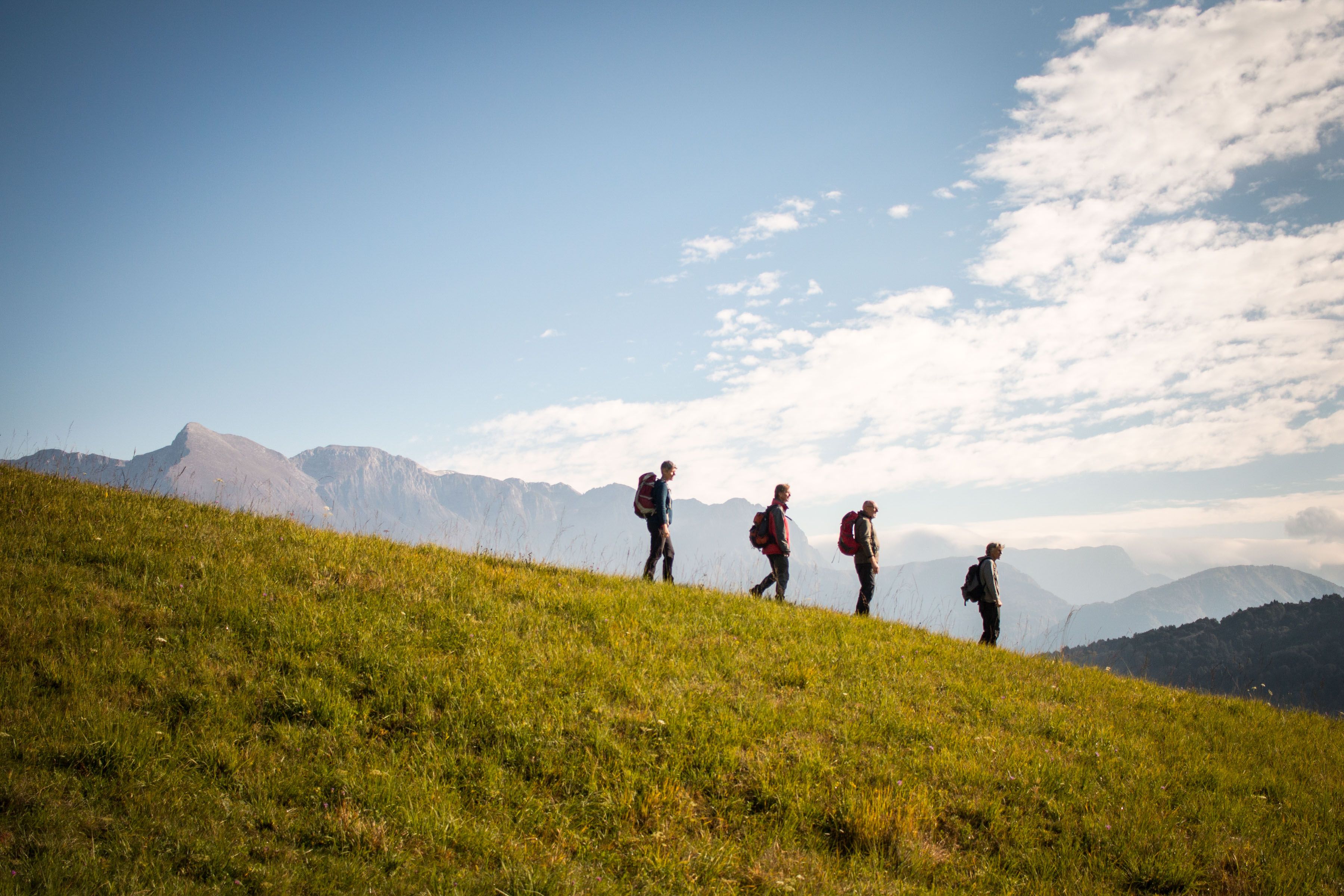
Never skimp on footwear. Tanzeel once made the mistake of wearing cheap, unreliable boots—what he calls "Kocchu Khet" quality—and paid for it in immense pain. Your shoes need a solid grip and durability. If you love trekking, invest in quality boots. Your feet will thank you at the 4,000-foot mark.
3. The Weight of the World (and Your Bag)
First-timers often over-pack. Remember, every extra t-shirt feels like a lead brick at high altitudes. "Each and every pound will feel heavier as you start gaining altitude," Tanzeel warns. Pack only the essentials. If you’re worried about hygiene, carry one set of trekking clothes and one set of sleeping clothes, and rotate.
4. Smart Packing: Roll, Don’t Fold
Space management is a skill. To save room and keep your bag balanced, Tanzeel suggests rolling your clothes into tight tubes rather than folding them. Also, never put your heaviest items at the very bottom of the bag; keep them in the middle to maintain your center of gravity so you don't topple over on an incline.
5. Grip Over Style (The Sandal Rule)
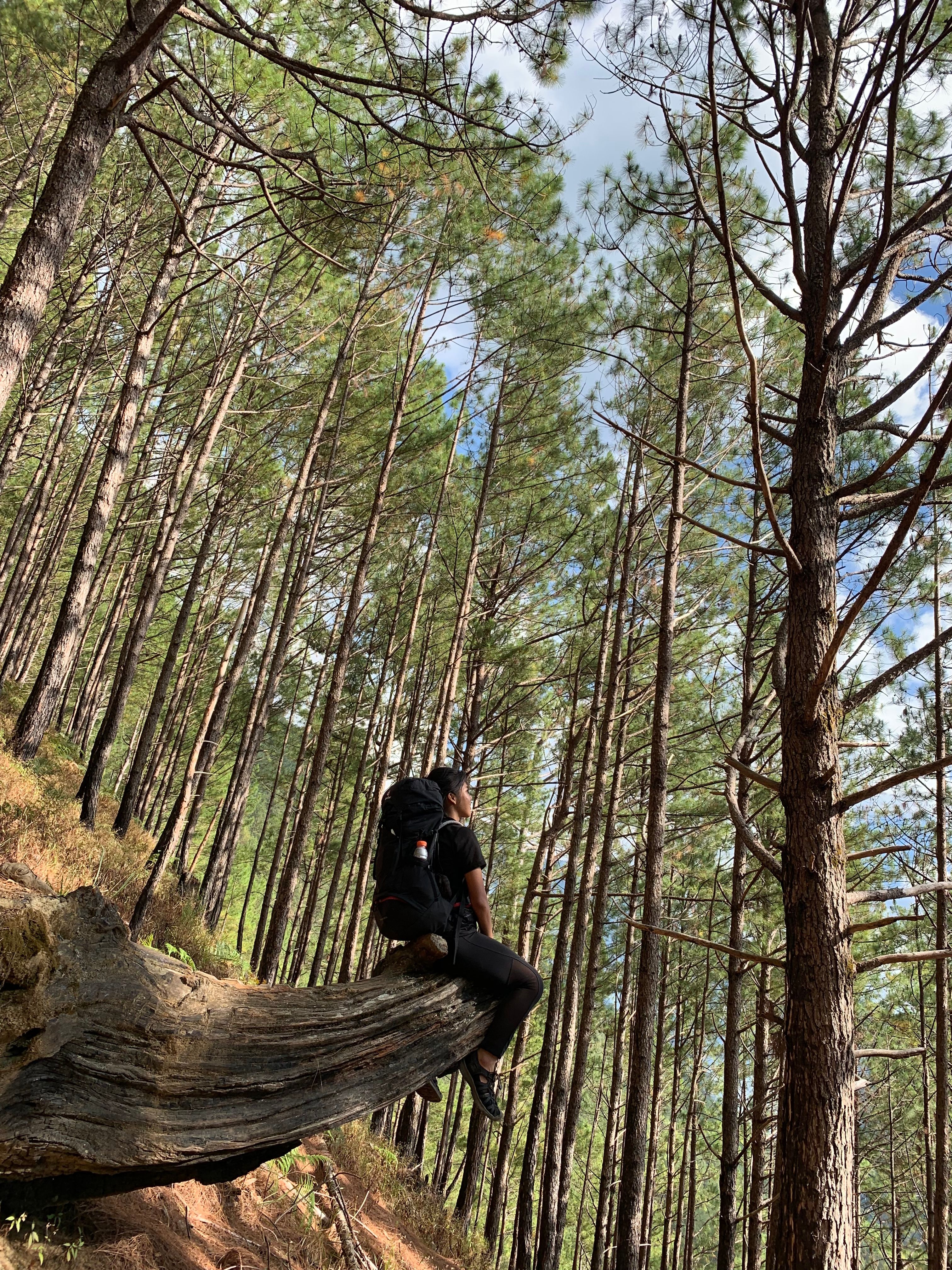
If you’re hiking in muddy or wet terrains like Bandarban, leave the Crocs at home. Tanzeel notes that plastic shoes like Crocs lose grip when wet, leading to nasty slips. Instead, opt for high-grip sandals (like those from Bata or Apex) that are lightweight, expendable, and dry quickly.
6. The Buddy System is Non-Negotiable
"A trekking buddy can make your trip or break your trip," says Tanzeel. For your first hike, never go alone. Go with a friend who is more experienced than you. They’ll help you set a pace and keep your spirits high. If you’re going into restricted areas, always hire a verified local guide.
7. Hydration Hacks (The Saline Secret)
You aren't just drinking water; you’re managing your body’s chemistry. Tanzeel emphasises carrying saline packets. While water is essential, saline helps your body retain that water and replaces lost electrolytes. It’s a cheap, lightweight life-saver that keeps you from crashing.
8. Leech Logic
In tropical trails, you will meet leeches (Jok). Don’t panic—they aren't deadly. Tanzeel suggests carrying a bit of salt to get them off. Interestingly, he views them with a bit of traveller's humour, noting that they "cleanse your bad blood," but advises not to let them hang on for too long!
9. Respect the Local Code
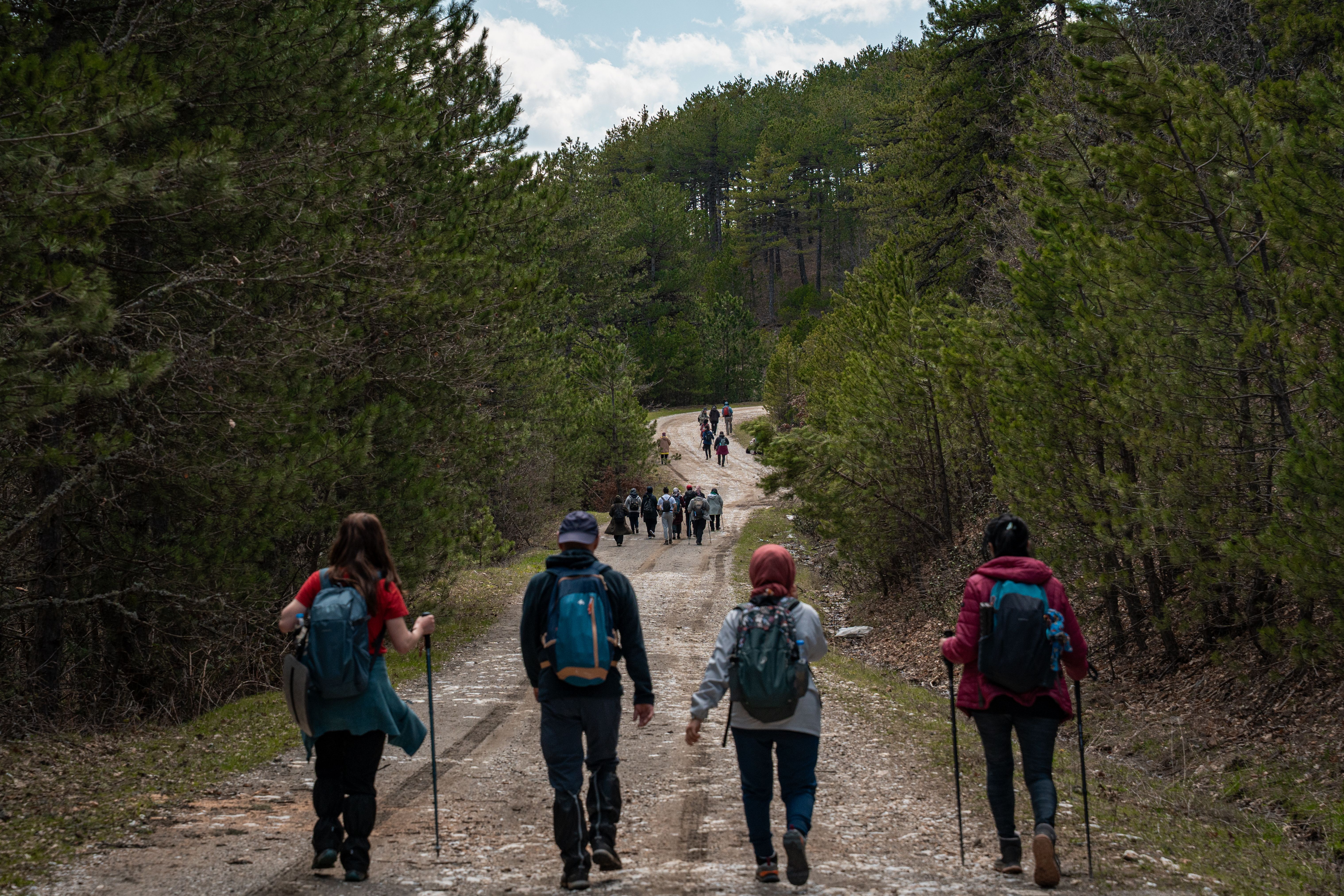
When you hike, you are a guest in someone else’s home. Whether it's the local indigenous tribes or the authorities (like the Army in hilly regions), respect is key. "Respect local cultures. If they say a rock is holy, treat it as if it’s holy," Tanzeel advises. Being a "brat from the city" won't get you far in the wilderness.
10. Research Your Route
Don't jump into a 'Difficult' rated trail on day one. Research online communities and check offline maps. Tanzeel suggests checking your fitness level first and then picking a route categorised as 'Easy' or 'Moderate.' Knowing what lies ahead helps you prepare mentally for the challenge.
 For all latest news, follow The Daily Star's Google News channel.
Comments