The future of a Sundarbans tigress
The recent rescue of an injured female Bengal Tiger from the Sundarbans is undoubtedly one of the most significant wildlife conservation events in Bangladesh in recent years. The successful rescue, treatment, and recovery of this magnificent animal deserve appreciation and recognition. Forest Department personnel, veterinarians, field staff, and all others involved in the operation have demonstrated dedication and commitment in saving the life of a globally endangered species.
Yet, while the rescue itself is a success story, it also presents Bangladesh with an important conservation challenge: what should be the long-term future of this tigress?
This question is larger than the fate of a single animal. It provides an opportunity for Bangladesh to develop a modern, science-based framework for the rehabilitation and management of rescued wildlife, particularly large carnivores and other threatened species.
Why this tigress matters
The Sundarbans are home to one of the world's most unique populations of Bengal Tigers. Recent estimates suggest that approximately 125 adult tigers survive in the Bangladesh portion of the Sundarbans. Every adult female therefore represents a valuable component of the breeding population and contributes directly to the long-term survival of the species.
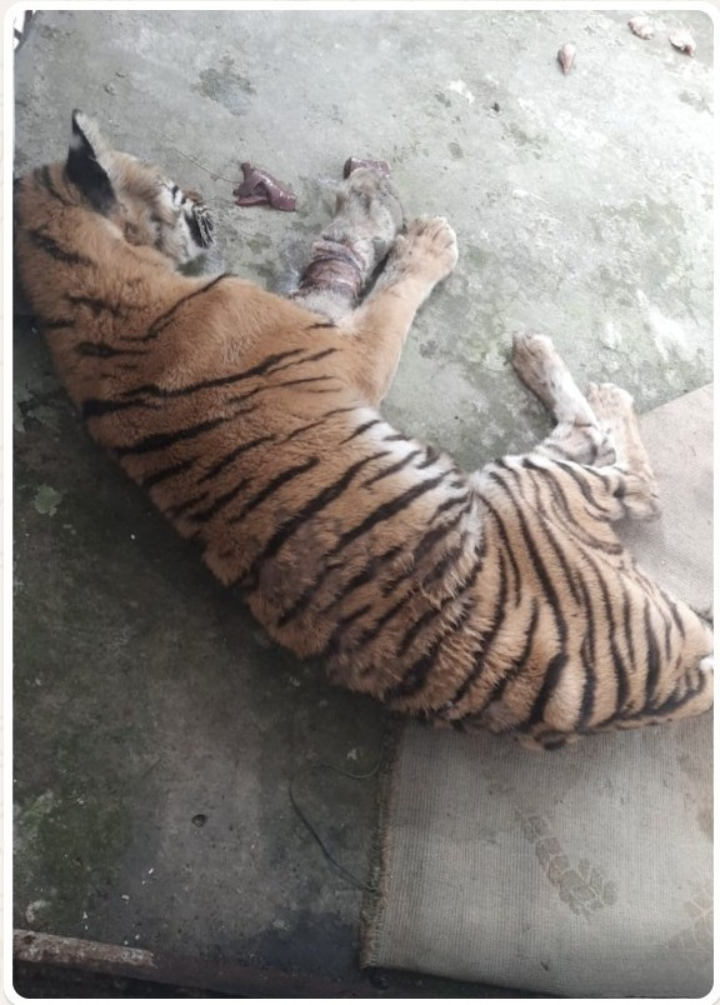
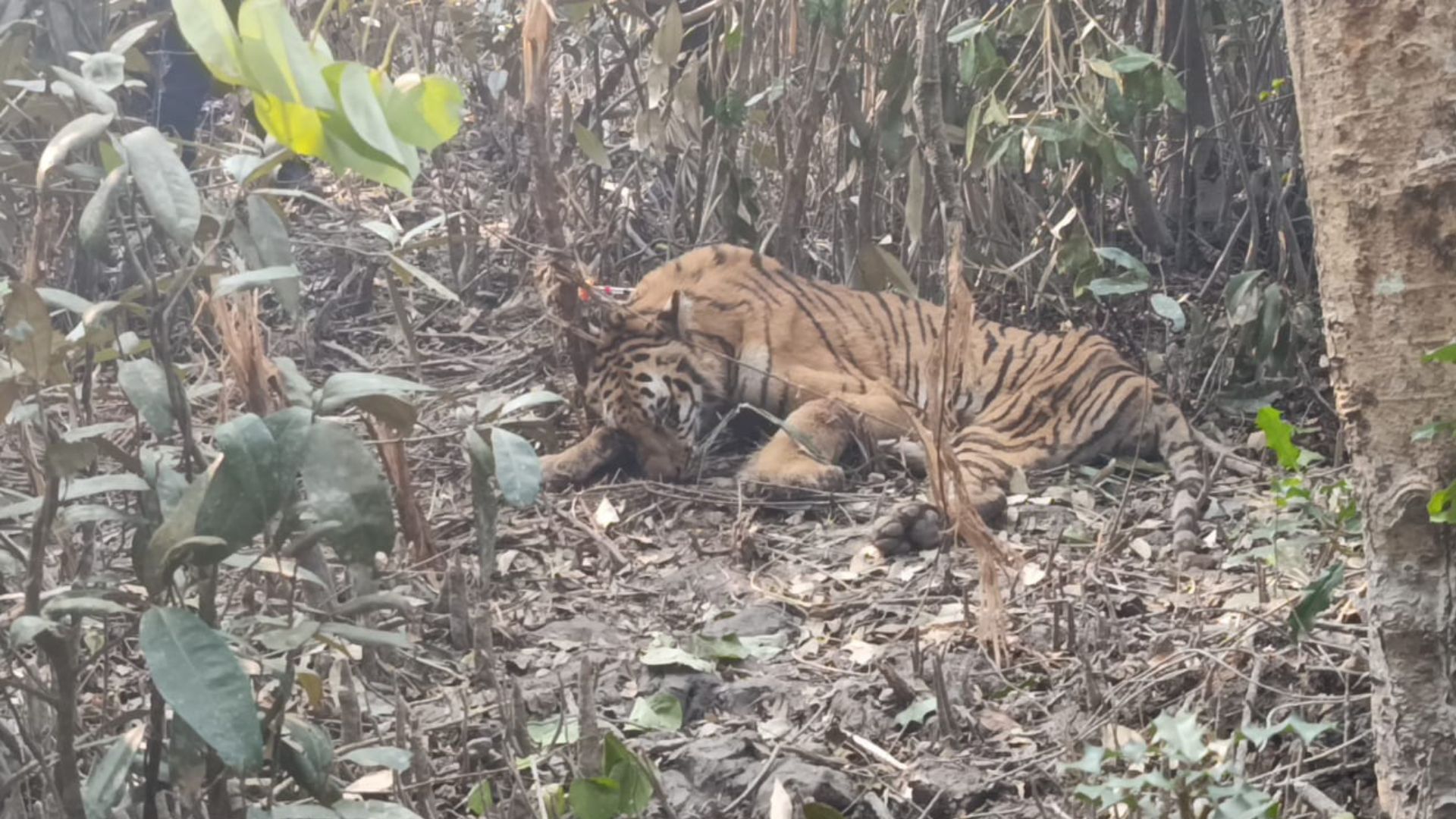
The rescued tigress suffered severe injuries after becoming trapped in a poacher's snare. Such injuries are often fatal in the wild. Her survival, recovery, and return to good health therefore represent a remarkable achievement.
Now comes the more difficult phase: deciding her future.
Science must guide the decision
Wildlife conservation decisions should be guided by science, animal welfare, and long-term conservation objectives.
The first consideration must be the welfare of the tigress herself. A large carnivore that once ranged freely through the vast mangrove forests of the Sundarbans requires more than food and shelter. She requires adequate space, opportunities for exercise, environmental enrichment, and conditions that allow her to express natural behaviours.
During medical treatment, temporary confinement is often necessary. However, as recovery progresses, access to larger and more natural surroundings becomes increasingly important for maintaining physical fitness and psychological well-being.
The second consideration is conservation value. If the tigress has recovered fully, retains her hunting abilities, and can adapt successfully to life in the wild, then release should remain a serious option.
Such a decision would require careful assessment of several factors, including habitat quality, prey availability, freshwater resources, tiger density, and potential risks to both wildlife and people. Modern conservation tools such as camera traps, satellite telemetry, and long-term monitoring programmes can greatly assist in evaluating the success of any release programme.
The rescue of this tigress should not be viewed merely as the saving of a single animal. It should be regarded as an opportunity to establish a lasting legacy for wildlife rehabilitation and conservation in Bangladesh. If we seize this opportunity wisely, this Sundarbans tigress may contribute far more than her own survival. She may help shape the future of wildlife conservation in Bangladesh for decades to come.
A possible model for Bangladesh
If release is considered feasible, Bangladesh has an opportunity to demonstrate how large carnivore rehabilitation can be undertaken using internationally accepted standards.
A carefully selected release area, combined with radio-collar monitoring and scientific supervision, would allow conservationists to track the tigress's movements, health, hunting success, and adaptation to her environment. The lessons learned would be invaluable for future wildlife rescue and rehabilitation efforts.
At the same time, conservation managers must also consider alternative scenarios. If scientific assessment indicates that release is unlikely to succeed, a semi-wild rehabilitation facility near the Sundarbans could provide another solution.
Such a facility would not simply house a single tiger. It could serve as a national centre for wildlife rehabilitation, conservation research, veterinary training, and public awareness. Bangladesh currently possesses considerable expertise in wildlife conservation, and this expertise could be strengthened further through a dedicated rehabilitation programme based on international best practices.
The value of research
The rescued tigress presents a unique opportunity for scientific study. Research on her genetics, physiology, behaviour, health, and adaptation could generate knowledge that benefits tiger conservation throughout the region.
Information gained from this case could improve future responses to injured tigers, elephants, dolphins, crocodiles, and other threatened species. It could also contribute to regional and international understanding of wildlife rehabilitation in challenging environments such as the Sundarbans.
Scientific findings should be documented and published so that future generations of wildlife managers can benefit from the experience.
A broader conservation lesson
Perhaps the most important lesson from this rescue is that Bangladesh would benefit from a comprehensive national wildlife rehabilitation strategy.
Around the world, wildlife rescues are increasingly supported by standard operating procedures, specialist facilities, multidisciplinary advisory teams, long-term monitoring programmes, and evidence-based management. Bangladesh has already made substantial progress in wildlife conservation and now has an opportunity to further strengthen its capacity in this important field.
The rescued tigress has become a symbol of hope. Her story demonstrates both the challenges faced by wildlife and the dedication of those working to protect it.
Whether she ultimately returns to the forests of the Sundarbans or spends her life under carefully managed human care, the decisions made regarding her future should be guided by science, compassion, and a commitment to conservation excellence.
The rescue of this tigress should not be viewed merely as the saving of a single animal. It should be regarded as an opportunity to establish a lasting legacy for wildlife rehabilitation and conservation in Bangladesh.
If we seize this opportunity wisely, this Sundarbans tigress may contribute far more than her own survival. She may help shape the future of wildlife conservation in Bangladesh for decades to come.
Dr Reza Khan is a wildlife biologist and conservationist with over four decades of experience in wildlife research, zoo management, and biodiversity conservation in Bangladesh and the United Arab Emirates. He has worked extensively in wildlife rescue, sanctuary management, and community-based conservation initiatives.
Send your articles for Slow Reads to slowreads@thedailystar.net. Check out our submission guidelines for details.

Enforced disappearance in Bangladesh / Who investigates the state?
Gibbons, kingfishers and the changing world of Adampur Reserved Forest

More than refugees: How Rohingya youth are reclaiming their story
Behind every cup / The mental toll on women tea workers
From Shyamnagar to Kurigram: Women work, but where is the income?
Waiting for April: The other side of migration in the Sundarbans
Where have Bangladesh’s hilsa gone?

Lead poisoning in Bangladesh: A crisis ignored for too long
Who recycles Bangladesh’s garment waste?