'Islamisation in Bengal has no parallel in South Asia'

The Daily Star (TDS): Before your intervention, the dominant idea about conversion in Bengal was that people moved from Hinduism to Buddhism and finally to Islam, with earlier scholarship commonly suggesting that the masses embraced Islam to escape the Hindu caste system. What prompted you to challenge this narrative and shed new light on the process?
Richard M. Eaton (RME): What prompted me to challenge the narrative you mention was the discovery that, though it seemed plausible, it could not be supported by evidence. Chapter Five (pp. 113–34) in my book explains those flawed ideas in detail and why they do not work.
For many natives of rural eastern Bengal, Islam was the first scripturally and liturgically based religion to which they had been exposed. Of course, Buddhist and Brahmanical cultures had already penetrated eastern Bengal to some extent, but not as much as in the western delta, and in any case, in the east they tended to be mainly urban- and elite-based. There were also Goddess and other cults in the region, but they lacked scripture and liturgies. What written texts like the Qur’an and Hadith provided was a firm structure to religious belief and practice. It also helped that the technology of paper-making arrived in Bengal not long after the establishment of Muslim rule.

TDS: Before the first census in 1872, there was no clear idea that Muslims formed a numerical majority in Bengal, a fact that later became politically decisive. Do you think the idea of a Muslim majority in Bengal has been retrospectively framed in teleological terms, particularly in relation to the creation of Pakistan and, later, Bangladesh?
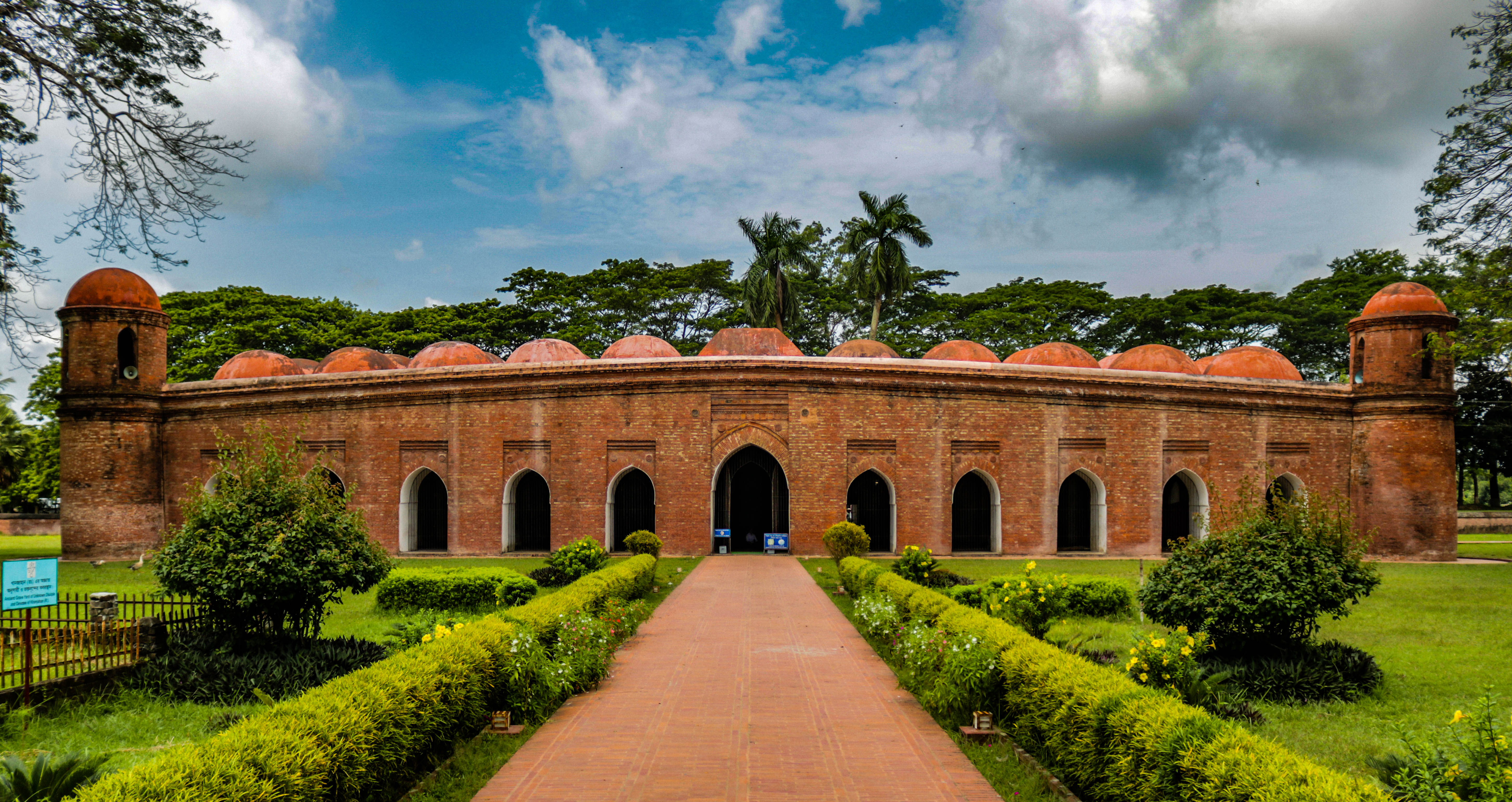
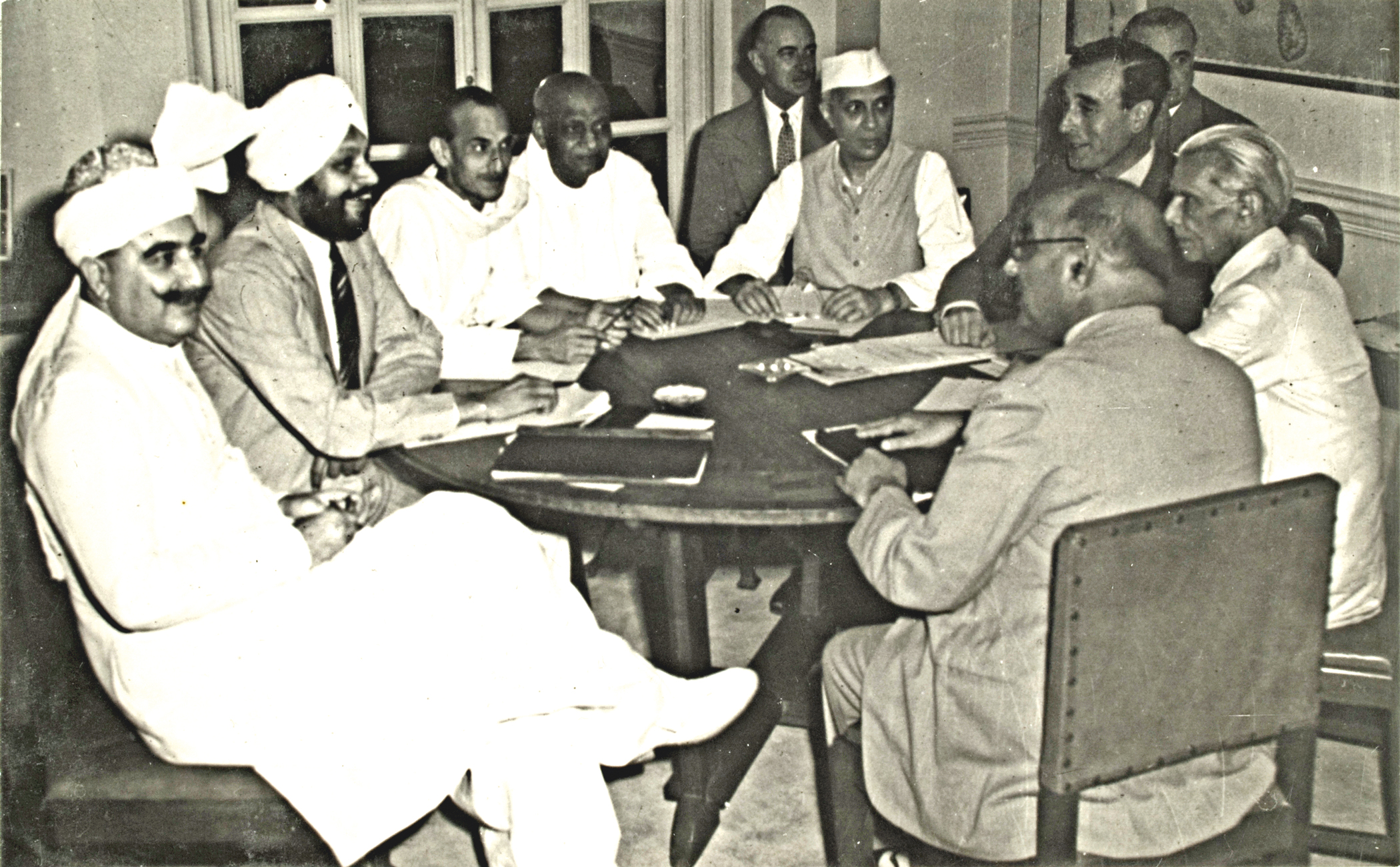
RME: For more than a century, the British had practised classic “divide-and-rule” tactics to govern India, cynically promoted in the name of political “balance”. As ever larger groups of Indians were enfranchised into the electoral system, competition between religious communities dramatically intensified. In their haste to abandon India after the Second World War, the British, out of sheer expedience, succumbed to the respective demands of the League and the Congress. That was when the religious map of British India, based on the 1931 Census, became fatefully decisive.
TDS: What challenges did you face while researching such a vast region, with its land records, literary archives, evidence of geological shifts, and changing ecological and agricultural patterns? How did the Weberian method help you address these difficulties?
RME: Weberian sociology has always influenced me, but the school of historical theory that influenced me the most was the French Annales School, especially the work of Fernand Braudel. He was the one who understood history not as a function of any single discipline—politics, geography, literature, sociology, religion, architecture, environmental studies, and so on—but rather as the product of all of them interacting with each other. To understand religious change, therefore, it is not enough simply to study religion; one must understand all the other aspects of culture and nature that shape and colour it.
I never found the terms ashraf or atraf in Mughal documents pertaining to land settlement. Those terms do not seem to have appeared until the British period, when many Bengalis, when asked by colonial officers about their origins, claimed that their ancestors were of high ashraf status.
TDS: How crucial were geographical factors in shaping Bengal’s history, culture, agriculture, and landscape, especially after the Padma shifted its main course away from the Ganga following a major earthquake? Why was West Bengal’s experience of conversion different from that of East Bengal in terms of religious composition?
RME: Geographical and climatic factors are fundamental to Bengali history. All Bengalis understand how the entire delta is subject to immense wealth, given its plentiful water and rich topsoil, but also to the immense power, danger, and fickleness of the monsoon. Additionally, the rivers constantly shift, abandoning splendid cities, leaving them with stagnant and malarial waters, or opening up new areas for cultivation and population growth. As a result, the Bengal delta is one of the most geographically dynamic regions in the world.
West and East Bengal had different religious histories owing to the timing of the arrival of Brahmanical culture from upper India. Simply put, by the time Muslim rule reached the region, Brahmanical culture had already penetrated more deeply in the west than in the east, making the latter region more receptive to a scripturally based religion like Islam. For comparison, consider India’s north-eastern corner (Nagaland, etc.), where Christianity in the 19th century had an enormous impact on local communities that had not already been exposed to Hindu, Buddhist, or Muslim influence. By contrast, Christian missions failed in India’s great plains, long populated by Hindus and Muslims.
TDS: Could you elaborate on the patterns of conversion in Bengal in comparison with other regions of the Indian subcontinent, including the western frontiers, highlighting both similarities and differences? How might we explain Islam’s deep penetration into rural Bengal, marked by its riverine geography, when in earlier periods its principal centres of influence were urban, such as Delhi, Agra, Bijapur, Lucknow, or Bihar Sharif?
West and East Bengal had different religious histories owing to the timing of the arrival of Brahmanical culture from upper India. Simply put, by the time Muslim rule reached the region, Brahmanical culture had already penetrated more deeply in the west than in the east, making the latter region more receptive to a scripturally based religion like Islam.
RME: Islamisation in Bengal, in my view, finds no parallel elsewhere in South Asia. Central to its pattern was the overlapping of agrarian expansion, deforestation, and the Mughal government’s policy of “settling” their eastern frontier. This they did by giving land grants to pioneers who were required to cut the forest, mobilise labour for rice cultivation, and build on their lands either mosques or temples, simple structures made of thatching and bamboo. The purpose of such institutions was to promote stability in frontier regions that were inherently turbulent. The Mughals were not concerned about the religion of those pioneers; their focus was on stability, revenue, and loyalty. But since most pioneers were Muslims, more mosques than temples were built.
I never found the terms ashraf or atraf in Mughal documents pertaining to land settlement. Those terms do not seem to have appeared until the British period, when many Bengalis, when asked by colonial officers about their origins, claimed that their ancestors were of high ashraf status.
Nor have I seen evidence of tension between migrant Muslim elites and local Muslims in the precolonial period, probably because Islamisation had been such a gradual and unselfconscious process. As you yourself noted, it was not until the 1872 census that people became aware of eastern Bengal’s substantial Muslim population.
TDS: Could you say something about the role of Sufis in agricultural expansion in the active delta, especially their active role as entrepreneur-pioneers with a religious calling, which is often linked to new Islamic conversions? At the same time, recent archaeological finds suggest that agriculture existed even in the deep Sundarbans before the medieval period. So, what do you see as the main factors behind conversion?
RME: “Conversion” is a misleading term when reconstructing the growth of Muslim communities in Bengal, or anywhere else. Owing to its association with 19th-century Protestant missionary movements, “conversion” connotes a sudden and complete change in religious identity, as opposed to the gradual and unselfconscious religious change that actually occurred. Since this change was a gradual process, I consider the term “Islamisation” a more useful way to understand the phenomenon.
Sufis are understood as mystics who both practised and taught methods of achieving direct access to divine reality. The term pir, on the other hand, is associated with religious charisma, or “holyman piety”. Muslims capable of mobilising labour on the eastern frontier for the purpose of clearing forests and establishing rice cultivation were certainly charismatic. This is why many of them were identified in both contemporary documents and Bengali folk literature as pirs. Over time, the vocabulary of popular Sufism stabilised the memory of such pioneers who had been instrumental in building new communities, which celebrated pirs as great shaikhs, even Sufis. Not infrequently, their graves became shrines (dargah) that attracted pilgrims and patronage, a process that illustrates Max Weber’s notion of the “routinisation of charismatic authority”.
It is true that recent archaeological excavations in the deep Sundarbans have discovered evidence of rice cultivation, Buddhist institutions, and possibly even seaports before Bengal’s Muslim period. What was new from at least the 16th century, however, was the association of the advent of agricultural operations with Muslim holy men (pirs), or with charismatic persons who were widely identified as such. Under their leadership, agrarian expansion either was initiated or, if it had already existed to some extent, was greatly intensified.
TDS: Apart from the expansion of agriculture, could you elaborate on the nature of Muslim rule in Bengal, with particular reference to patterns of patronage and the migration of Muslim populations from north to south? In this regard, how significant were sea and land trade routes, as well as the arrival of Afghans and Turks?
RME: The book describes how provincial and district officers of the Mughal Empire issued land grants to men willing to undertake the clearing of forest and the establishment of rice cultivation, on the condition that they build a mosque (or temple) and pray for the empire. As eastern Bengal became wealthy owing to the expansion of rice cultivation, Chittagong became especially important for exporting rice throughout the Bay of Bengal, as far east as the East Indies and as far west as Goa. Before the Mughal period, first Indo-Turks and then Afghans established the Bengal Sultanate, which created direct ties with Upper India, as well described by M.R. Tarafdar.
As for the Palas and the Senas, agrarian expansion, accompanied by social integration and stratification, had been under way in northern and western Bengal between the 6th and 11th centuries. Acting on their own authority, or that of the Pala state after the 8th century, local magnates mobilised indigenous non-sedentary forest tribes as agricultural labourers for large-scale works such as draining ponds, excavating tanks, and clearing forest tracts. These same notables enhanced their prestige by patronising the construction of Buddhist monasteries or Brahmanical temples. These themes would resonate several centuries later, when a different cadre of notables mobilised labour, again for agrarian expansion, while also patronising the construction of religious institutions, which in their case were mainly mosques. We also know that non-Muslim edifices continued to be used well after the Turkish conquest, refuting any idea that that conquest might have led to a rapid change in the region’s religious culture.
TDS: Do you think that a larger number of people came into contact with Islam during the Mughal period, while the Sultanate period saw comparatively less expansion? If so, to what extent did Islamisation take place during these two periods of Muslim rule in Bengal, considering their different state policies?
RME: Yes. The evidence for the Sultanate period is very scanty, compared with the rich documentation we have for the Mughal period. So, it might appear that Islamisation was more pronounced in the 17th and 18th centuries. On the other hand, we have literary evidence reaching back to the Sultanate period for pioneering pirs associated with both rice cultivation and Islam. So, it seems reasonable to assume that the process of Islamisation in the eastern delta had begun well before the Mughals.
TDS: Our contemporary understanding of secularism and tolerance did not exist in the same form during the medieval period. In that context, how would you characterise the Muslim sultans’ attitude towards non-Muslims in Bengal? How were relationships negotiated at the levels of state and society, particularly in light of records that mention instances of temple destruction or desecration, sometimes interpreted as symbolic assertions of political victory?
RME: M.R. Tarafdar has shown how Muslim sultans of Bengal integrated non-Muslims into their ruling structure.
As for “the role of Islamic religious creeds, rituals, and doctrinal practices,” however, Ayesha Irani, Tony Stewart, and Thibault d’Hubert have all studied medieval Bengali literature in order to understand how Islamic creeds diffused among Bengali communities. For example, Irani has shown how, in the 17th century, Saiyid Sultan, author of the Nabi-Bamsa, presented Islam as continuous with existing Bengali traditions by incorporating Hindu deities into the Abrahamic “family of prophets”. That was an example of the sort of “creative adaptation” that gradually indigenised Islam in the precolonial period. For Sultan, Islamisation amounted to a recovery of the Bengalis’ own lost religious heritage. For his part, Stewart studied the various translation strategies by which medieval poets expressed Arabic-based Islamic ideas in the Sanskrit-based Bengali language. And d’Hubert studied the circulation of Bengali texts like the Nurnama among lower-strata communities in rural 17th- and 18th-century Chittagong, by way of understanding how such literature not only reflected but also deepened Islamic ideas among such communities.
TDS: Would you please explain more about the roots of Islam in eastern Bengal, as you describe in your book, particularly through the ideas of inclusion, identification, and displacement, and how these processes negotiated earlier literary, cultural, and religious identities?
RME: The categories of Inclusion, Identification, and Displacement refer to the stages in the way that a community might identify the superhuman agencies it venerated. Because the identity of the superhuman agencies venerated by a community necessarily reflects the religious identity of the community itself, it becomes possible to reconstruct changes in the community’s religious identity over time by establishing the approximate date on which texts mentioning those agencies were composed. Driving those changes were factors such as the expansion of agrarian society, the association of rice cultivation with charismatic Muslim pioneers, the diffusion of paper and literacy, which were necessary for a scripturally based religion, and, by the early 19th century, steamship and rail transport systems that facilitated the Hajj and thus “reform” movements. All of this suggests why Islamisation is better understood as a process, and not as an all-at-once event.
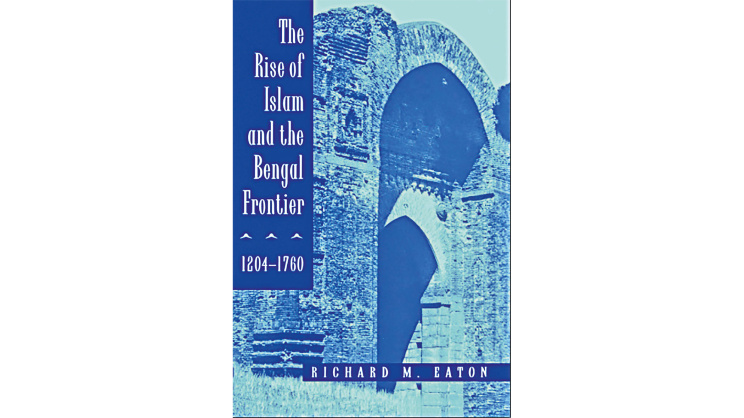
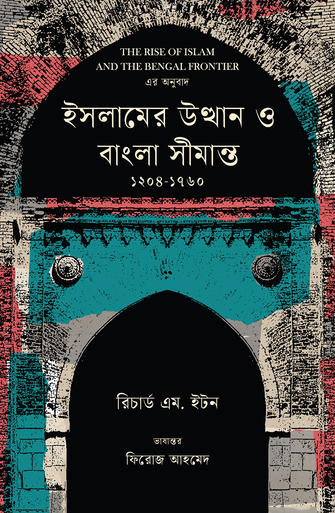
TDS: Finally, with the benefit of hindsight, what would you have done differently in your research and in writing The Rise of Islam and the Bengal Frontier, 1204–1760 (1993), which remains one of the most comprehensive works on Bengal more than three decades on?
RME: Since my book was originally published, exciting discoveries have emerged in archaeology, a field that is far more developed today than when I wrote the book. Moreover, historians (myself included) have been slow to integrate archaeological insights into their work. Focusing on politics and political change, most historians tend to see sharp breaks in time or make the mistake of associating cultural change with political change. The title of my book includes two political dates, 1204 and 1706, suggesting that Islamisation suddenly “began” on the former date and ended on the latter, which is highly misleading, to say the least.
On the other hand, archaeological data relating to Bengal show much continuity over time, rather than sharp breaks, as well as considerable fluidity between and across cultural traditions. For example, the archaeologist Swadhin Sen has identified religious structures in Rangpur District that had been established and appropriated by various rival traditions, with Brahmanical structures appropriating Buddhist space, Vaishnavas appropriating Saiva space, and vice versa. So, if I were to write the book today, I would integrate much more archaeological data into the study.
I also regret that I did not subject West Bengal to the same degree of intensive research that I did in Bangladesh. I doubt that the book’s central argument would have been substantially different, but it might have benefited from more comparative evidence.
The interview was taken by Priyam Paul.
Send your articles for Slow Reads to slowreads@thedailystar.net. Check out our submission guidelines for details.
The extraordinary journey of Atish Dipankar Srigyan

Forgotten story of Jeanette Van Tassel, the American woman who flew over Dhaka in 1892
Beyond 1947 / A personal essay
Abul Mansur Ahmad / A global quest in search of a nation

Chand Bibi and the forgotten history of Muslim women’s political resistance
Women’s voices in Nazrul’s Dhumketu
How Milad-un-Nabi shaped Muslim cultural life in colonial Bengal
What Rashomon teaches us about truth and human behaviour
Why Chittagong never became a maritime city