Abdul Quadir and the lost art of editing
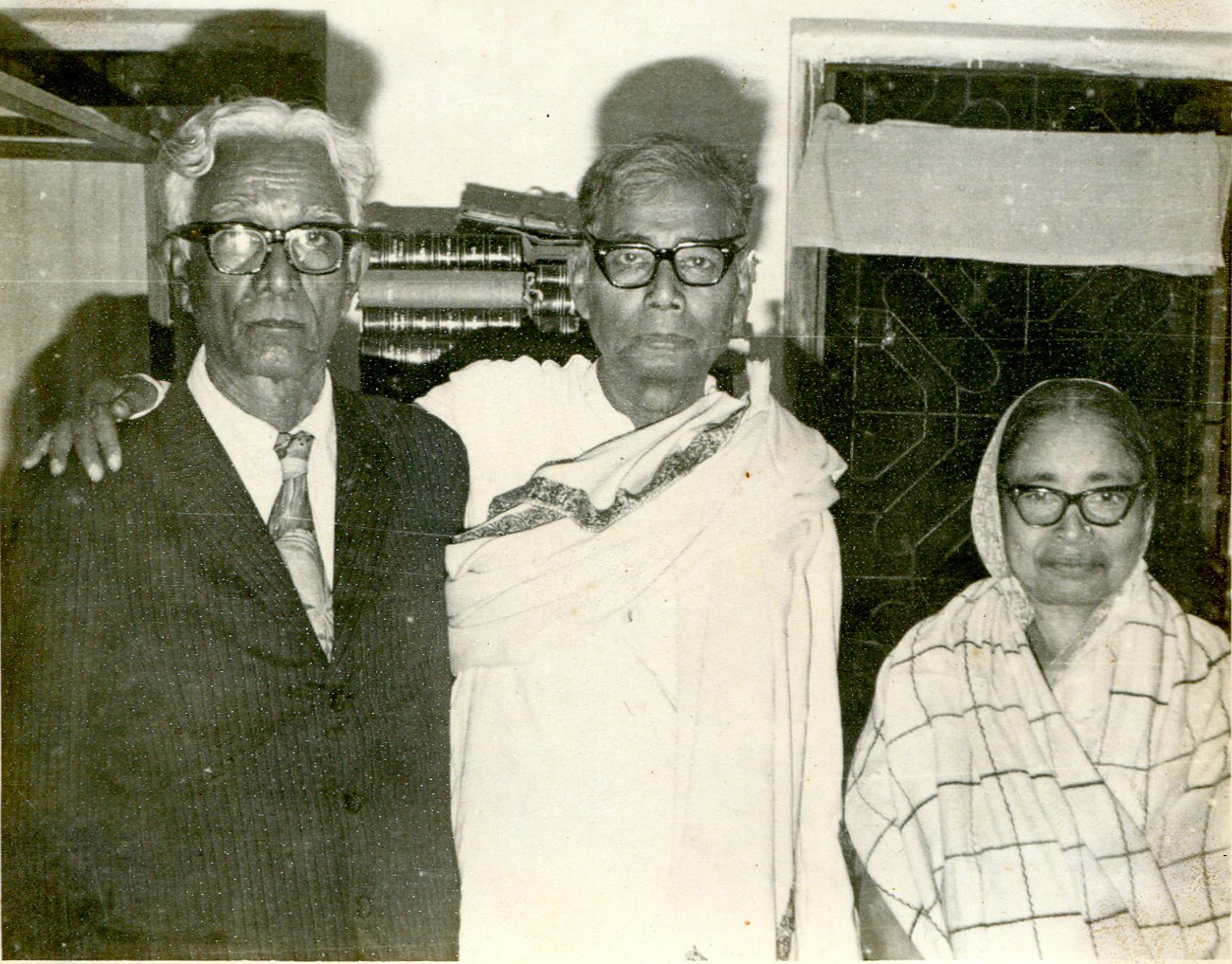
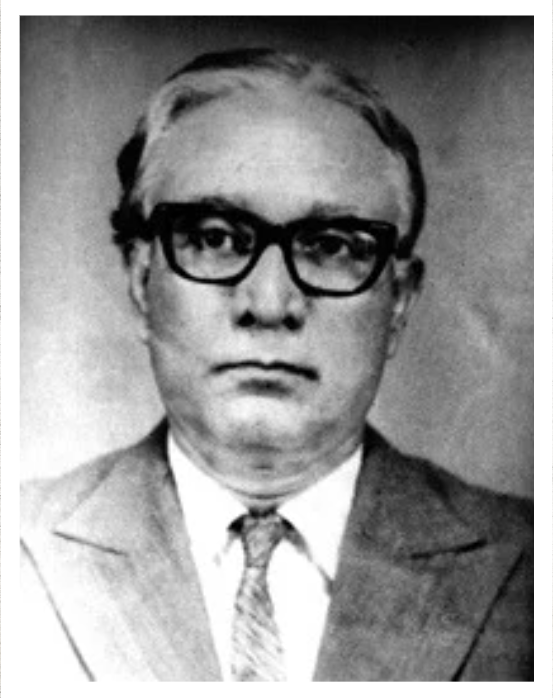
In the history of Bengali literature and culture, Abdul Quadir occupies a unique place. June 1 marks the 120th anniversary of his birth. Even now, he deserves to be remembered afresh.
This is because he was not merely a poet; he was also a thoughtful editor, a perceptive literary critic, and a tireless custodian of literary heritage. Alongside his own creative writings, he edited the works of many important Bengali poets and writers with dedication and a strong sense of responsibility. On questions of language, literature, and social thought, he represented a distinctive voice. His vision, commitment, and literary sensibility as an editor are especially relevant today, precisely because such qualities seem increasingly absent.
Abdul Quadir came of age during a period marked by social tensions, communal divisions, and intense political passions. The Muslim community of Bengal was then struggling with backwardness, confusion, and a crisis of identity. Politics was often dominated by Khilafat-era emotions, populist enthusiasm, and dependence on external influences. Yet amid these circumstances, Abdul Quadir aligned himself with the cause of free thought. His association with journals such as Saugat and Nabajug, and his interactions with figures like Kazi Abdul Wadud, Abul Husain, Muzaffar Ahmad, and Kazi Nazrul Islam, helped shape a deeper and more liberated intellectual outlook. As a result, he developed an independent literary vision at a remarkably young age.
He did not merely oppose reactionary thinking. On issues such as nationhood, communalism, nationalism, the state, the independence movement, and the role of literary journals, he maintained a rational and objective perspective. Remarkably, many of his ideas from nearly a century ago continue to feel strikingly contemporary.
Looking at Bangladesh’s social and political challenges today, one realises how rare the kind of courageous and liberal thinking he demonstrated remains. He understood that literature and culture had to move beyond narrow boundaries if society was to progress. For that reason, his editorial and critical work was never merely literary; it was also part of a broader project of social development.
While studying intermediate courses at Dhaka College, his first poem, Mukti (“Liberation”), was published in the college magazine. Later, his poem Hazrat Muhammad, published in Mohammadi, brought him wider recognition. Even as a student, he became known in literary circles through his prose and poetry published in journals in both Dhaka and Calcutta. He subsequently joined the Muslim Sahitya Samaj’s movement for intellectual freedom, playing an important role in literary and social thought. As a devoted participant in the movement led by Kazi Abdul Wadud and Abul Husain, Abdul Quadir emerged as a representative of rational and humanistic literary practice. His commitment to free inquiry later enriched his work as an editor and critic.
His role as a publisher and contributor to Shikha, the annual journal of the Muslim Literary Society, was particularly significant in the history of the Bengali Muslim renaissance. Shikha was not simply a literary magazine; it was a platform for new social ideas, rationalism, and humanistic values. At a time when Muslim society was beginning to engage with literature through the lens of modernity and reason, Abdul Quadir became one of the movement’s leading figures. He served as news editor of Nabajug, edited by Kazi Nazrul Islam, and later took on important responsibilities as editor of the monthly Mahe Nao. Through these publications, he sought to create a new intellectual space for literature and social awareness.
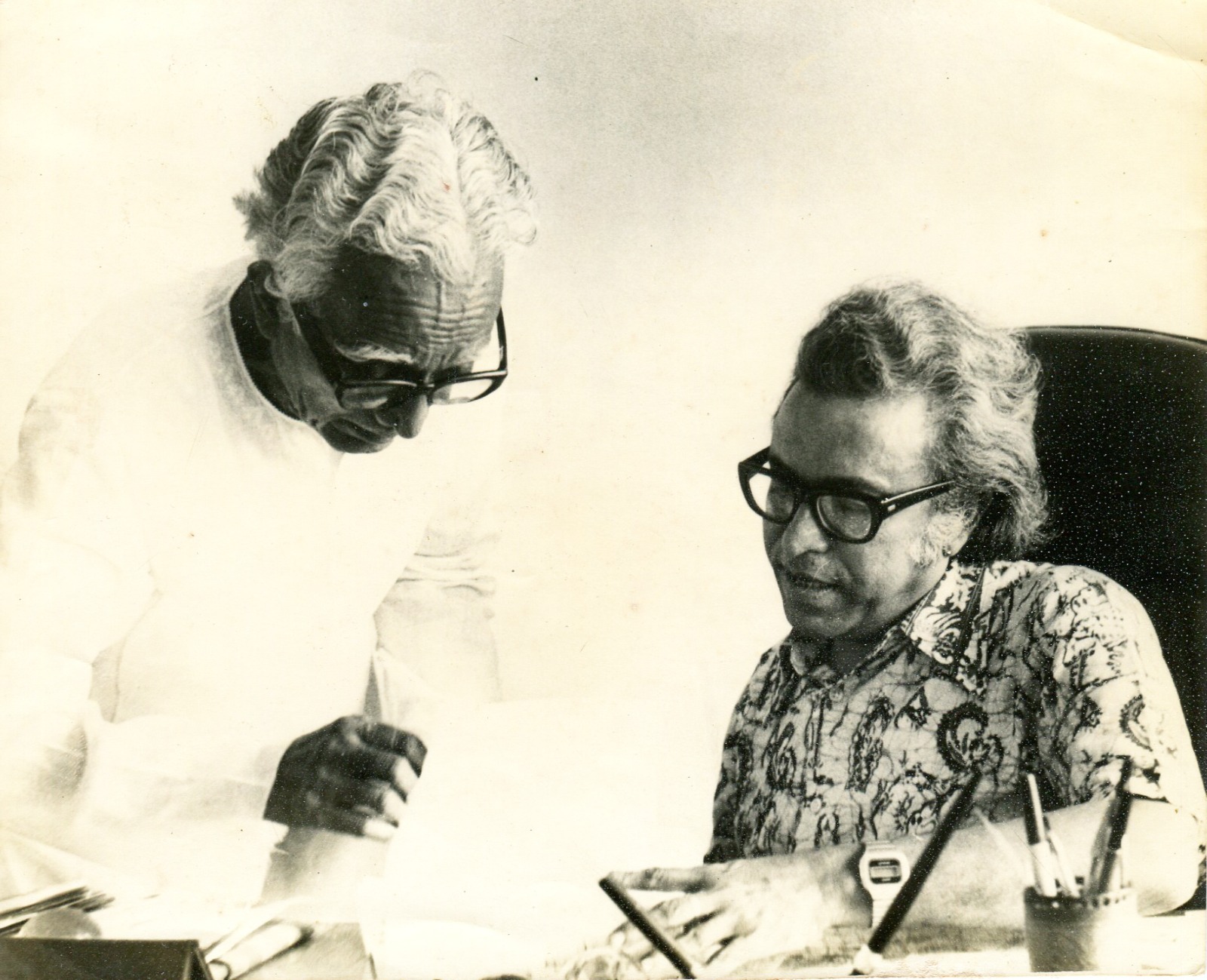
His greatest strength as an editor lay in his extraordinary reading ability and literary judgement. He did not merely correct language; he refined the ideas, structure, arguments, and aesthetic quality of a text. A true editor is not a substitute for the writer, but someone who helps a work achieve its fullest form. Today, the absence of such responsible editing is deeply felt. Editing is often reduced to little more than correcting spelling and grammar. Abdul Quadir demonstrated that editing is, in fact, a profound intellectual activity. An editor must simultaneously be a reader, critic, researcher, and creator. He or she strengthens a writer’s ideas, removes unnecessary burdens, and helps make a work enduring.
The postmodern era has undoubtedly expanded literary production, but it has also encouraged a proliferation of immature and superficial writing. The accessibility of social media has made it easier than ever to assume the identity of a writer. Yet literature is more than the arrangement of words; it is a synthesis of history, language, aesthetics, and thought. This is precisely where editors like Abdul Quadir become indispensable. He did not view literature merely as a means of expression but as a process of cultivating understanding. His editorial practice was marked by discipline, patience, and deep attention.
Abdul Quadir approached literature through the lens of society and human consciousness. In his criticism, reason and literary merit carried greater weight than personal bias. Today, however, criticism is often shaped by group interests, personal relationships, or promotional agendas. As a result, genuine literary evaluation is frequently obscured. A healthy literary culture requires impartial and thoughtful criticism.
Criticism reveals both the strengths and weaknesses of literature while guiding new writers towards better practice. We now live in a time when praise is abundant but deep reading and analysis are scarce. In such circumstances, critics like Abdul Quadir are needed more than ever.
Poet Jasimuddin once remarked: “The craftsmanship of poet Abdul Quadir’s language is worthy of emulation by any good poet.” This assessment reflects the depth of his linguistic and poetic abilities. He was a devoted student of language and metre, with a profound appreciation for the sounds, structures, and aesthetics of Bengali. Today, carelessness, linguistic inaccuracies, and instability are visible in much contemporary writing. When language weakens, literature cannot endure. For this reason, editors and critics with a strong command of language are more necessary than ever.
Abdul Quadir’s contribution to preserving Bengali literary heritage is equally noteworthy. Through his editing and compilation of works by figures such as Begum Rokeya, Kazi Nazrul Islam, Kazi Abdul Wadud, Siraji, and Lutfar Rahman, he helped transmit literary traditions to new generations. This was not merely editorial work; it was cultural preservation. Today, we live in an age where promotion often seems more important than reading. As a result, younger generations are becoming increasingly disconnected from classical literature and literary history. In this context, the need for research-minded editors like Abdul Quadir is even greater.
In his professional life, he was known for his diligence and sense of responsibility. A few years before his death, he observed that “the literature of a nation earns the respect of the world through the immense contributions of extraordinary creative talent.” He also believed that great literature could not emerge without social stability and psychological balance. That insight remains deeply relevant today. Even a few hours before his death, he was still writing about knowledge and liberation, because he believed that knowledge is the path to human freedom.
Ultimately, Abdul Quadir was more than an individual; he was a literary standard. His editorial work, criticism, and literary vision remind us that literature is not merely a matter of popularity. It is also a matter of responsibility, intellect, and cultural conscience. At a time when literature is increasingly shaped by haste, market-driven promotion, and social divisions, the absence of editors and critics of his calibre is deeply felt. His literary vision can continue to inspire generations towards a more responsible, humane, and intellectually rigorous literary culture.
This article has been translated by Slow Reads Team.
Emran Mahfuz is a poet, researcher, and editor of Kaler Dhoni.
Send your articles for Slow Reads to slowreads@thedailystar.net. Check out our submission guidelines for details.

157th Birth Anniversary of Mahatma Gandhi / Gandhi’s return to Noakhali
Why does Tagore still trouble Bangladesh’s idea of ‘us’?

Can Bangladesh make better use of its zakat money?

Three revolutions that reshaped the world
Paradise lost and found: Rediscovering early modern Bengal
Unbound Mother: The making and remaking of Kaali in Bengal

Do great leaders make history, or does history make them?
Poison and cremation: A forensic history of colonial Bengal