Why Roid stays with you long after the film ends

According to the Book of Genesis, light was created on the first day. But sunlight arrived later, only on the fourth. Between illumination and the birth of the sun came sky, atmosphere, earth, water, vegetation, the slow architecture of existence itself. Mejbaur Rahman Sumon’s Roid seems haunted by that interval between light and sun, between creation and consciousness, between longing and embodiment.
Perhaps that is why the film never behaves like conventional narrative cinema. It moves instead like something primordial, half-emerging from darkness: part folklore, part dream, part memory, part myth.
Not every spectator enters a dark cinema hall in search of philosophy. Most people go there to feel temporarily relieved of the exhaustion of living. Especially during Eid or festival seasons, audiences often seek joy, excitement, laughter, spectacle, and collective emotion—something that holds them rather than unsettles them. There is nothing wrong with that. Cinema has always belonged equally to pleasure and contemplation. The problem begins only when one impulse starts invalidating the other. Because certain films do not wish to entertain us in the conventional sense. They wish to linger within us. Mejbaur Rahman Sumon's Roid belongs to that increasingly rare category of cinema.
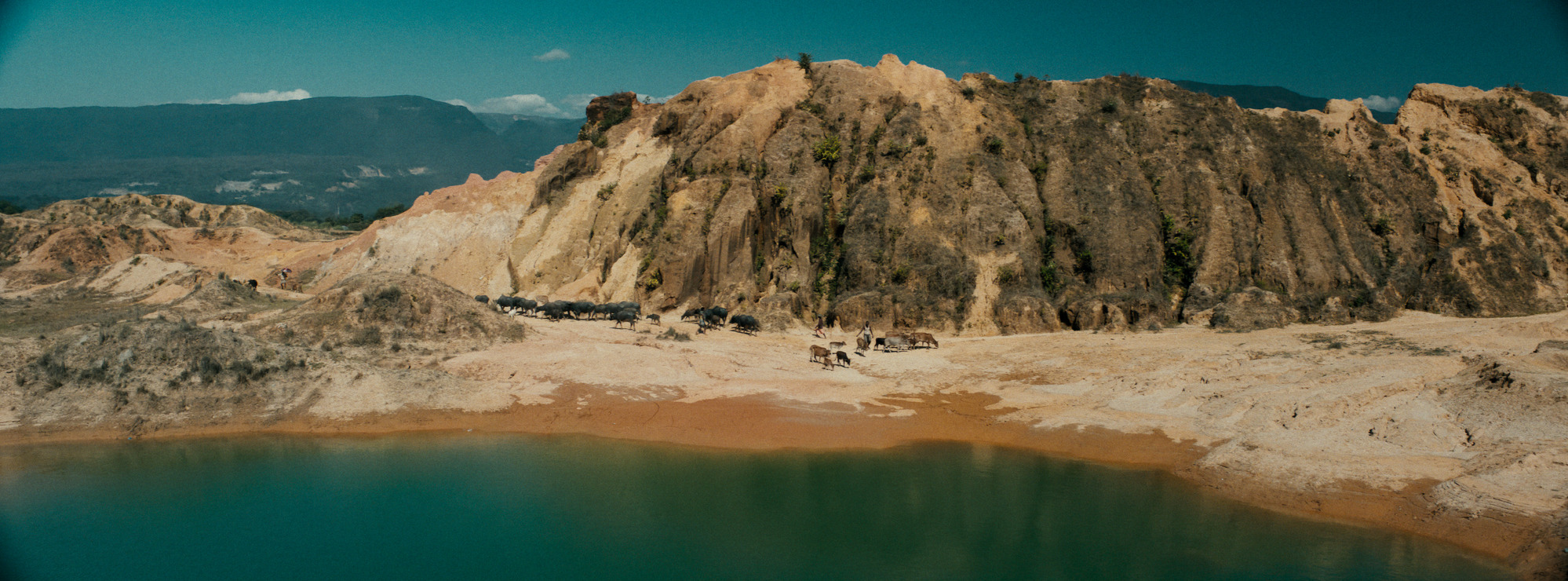
What makes the conversation around Roid fascinating is not merely the film itself, but the spectatorship surrounding it. Some viewers are calling it inaccessible arthouse cinema. Others are treating it like a sacred object accessible only to "certain audiences". Both responses perhaps miss something essential about the film. Roid neither functions like conventional mainstream storytelling nor behaves like an intellectual puzzle-box demanding symbolic decoding from elite viewers. It operates somewhere stranger, between memory and dream, folklore and sensation, body and myth.
The film does not unfold like a tightly engineered three-act screenplay. Nor does it aggressively announce its metaphors. Its meanings surface gradually, almost subconsciously, through repetition, gesture, weather, silence, bodily proximity, landscape, animality, and emotional unease. It behaves less like a plotted narrative and more like an oral story half-remembered from childhood, one of those rural myths carried through whispers, superstition, fragmented memory, and inherited fear. And perhaps that is precisely why many viewers describe the film as dreamlike.
Dreams do not move according to narrative efficiency. They drift through association. Desire mutates into fear. Objects acquire symbolic weight without explanation. Landscapes absorb emotional states. Time stretches, loops, and collapses. Roid often feels constructed from that same subconscious logic.
This dreamlike quality is sustained not only through narrative structure but through the film's entire cinematic language. The screenplay, written by Mejbaur Rahman Sumon alongside Jaheen Faruque Amin, Sukorno Shahed Dhiman, and Siddiq Ahamed from a story by Sumon and Selina Banu Moni, deserves serious attention for how carefully it constructs emotional movement through something resembling the Navarasa tradition from Bharata's Natya Shastra. Love, fear, disgust, wonder, sorrow, tranquillity, longing, terror, compassion, and latent rage circulate through the film not as isolated dramatic beats but as overlapping emotional currents. The narrative does not progress through conventional plot mechanics alone. It evolves through rasa, through an emotional atmosphere that accumulates scene by scene, which is precisely why the film often feels less written in the industrial screenplay sense and more emotionally conjured.
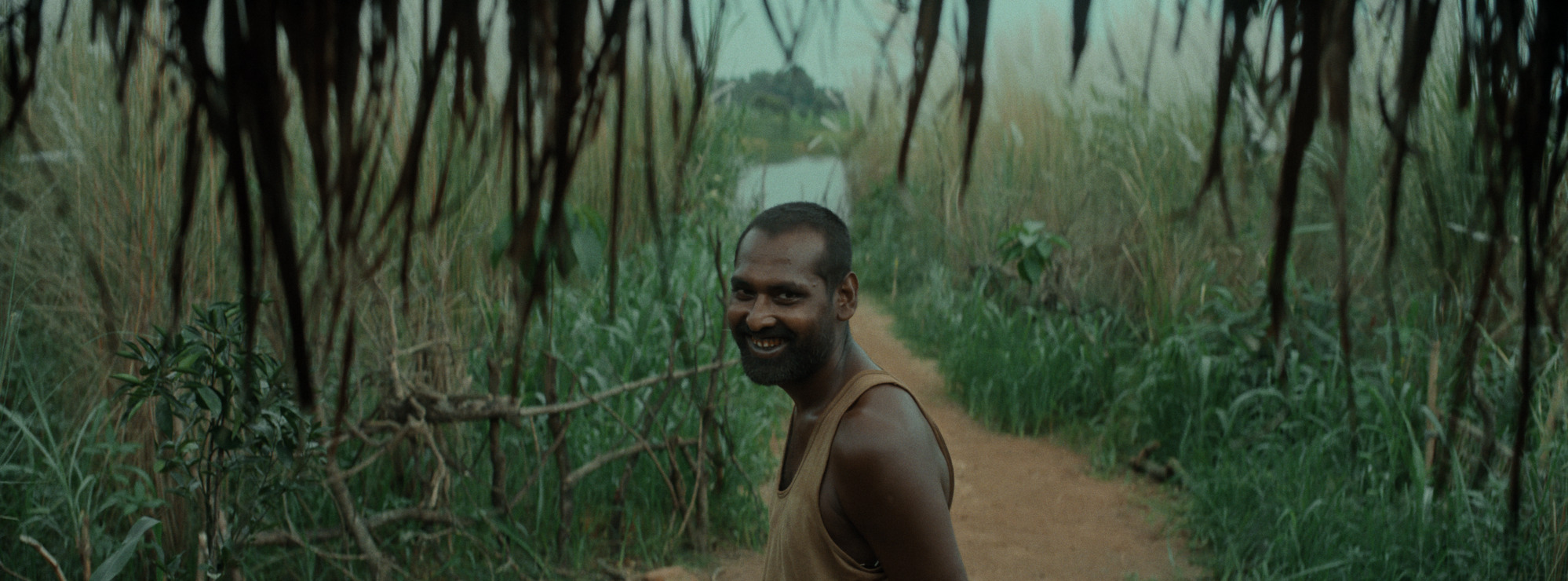
The cinematography by Xoaher Musavvir remains deeply contemplative throughout. Frames breathe with humidity, darkness, texture, and waiting. Landscapes are never reduced to visual beauty alone. Mud, rain, skin, trees, shadows, and empty spaces become emotional surfaces carrying subconscious tension. The camera frequently observes rather than directs, allowing viewers to inhabit duration instead of merely consuming information. Equally remarkable is the sound design by Sajib Ranjan Biswas, complemented by Rasheed Sharif Shoaib's work as film sound mixer and music composer, which together quietly become one of the film's most powerful storytelling instruments. Wind, insects, distant storms, breathing, silence, and environmental textures create an acoustic world in which emotional unease persists beneath the visible image. Often, the film communicates through sound before narrative comprehension fully arrives.
That emotional excavation becomes possible largely because of the extraordinary performances by Nazifa Tushi and Mostafizur Noor Imran. Tushi carries silence with remarkable emotional intelligence. Her face often appears suspended between vulnerability and instinct, tenderness and dread. Mostafizur Noor Imran, meanwhile, embodies Sadhu with a physicality that feels almost elemental, as if the landscape itself has shaped his body and consciousness over time. Together, they create a relationship that rarely depends on explanatory dialogue, allowing gesture, distance, touch, and stillness to carry the full weight of emotional complexity. This is where Sumon's cinema becomes particularly significant within the landscape of Bengali filmmaking.
Rural Bengal has long existed in South Asian cinema either as nostalgia or as misery. Villages become sentimental postcards of lost simplicity, or they become aestheticised exhibitions of suffering for urban and international consumption. The accusation of poverty porn emerges from this history. But Roid seems fundamentally uninterested in reducing rural life to either innocence or victimhood. Poverty exists in the film, certainly, but not as spectacle. What the film excavates instead is something older and psychologically darker: archaic longing, bodily isolation, erotic hunger, guilt, superstition, instinct, emotional dependency, and ecological intimacy.
The village in Roid is not merely a location. It becomes a psychic terrain. Nature here is not a backdrop. Rain, heat, mud, darkness, palm fruits, animal bodies, sweat-soaked skin, distant storms, and silence all participate in the emotional architecture of the film. Human beings do not stand against nature in Roid; they appear submerged within it, as if civilisation itself is only a thin and provisional layer over something far older and more instinctive.
In this sense, the film occasionally recalls the way Buddhadeb Dasgupta used landscape in Uttara. In Uttara, barren railway tracks, smoke-filled emptiness, and desolate open spaces became extensions of existential anxiety. The landscape was never simply scenic; it was psychological. Similarly, Roid transforms Bengal's ecological environment into an emotional and mythic substance. But where Uttara often moved through abstraction and absurdist stillness, Roid feels far more tactile and bodily. Its world sweats, decays, aches, and desires. There are moments in Roid where Bengal itself feels less like geography and more like subconscious memory.
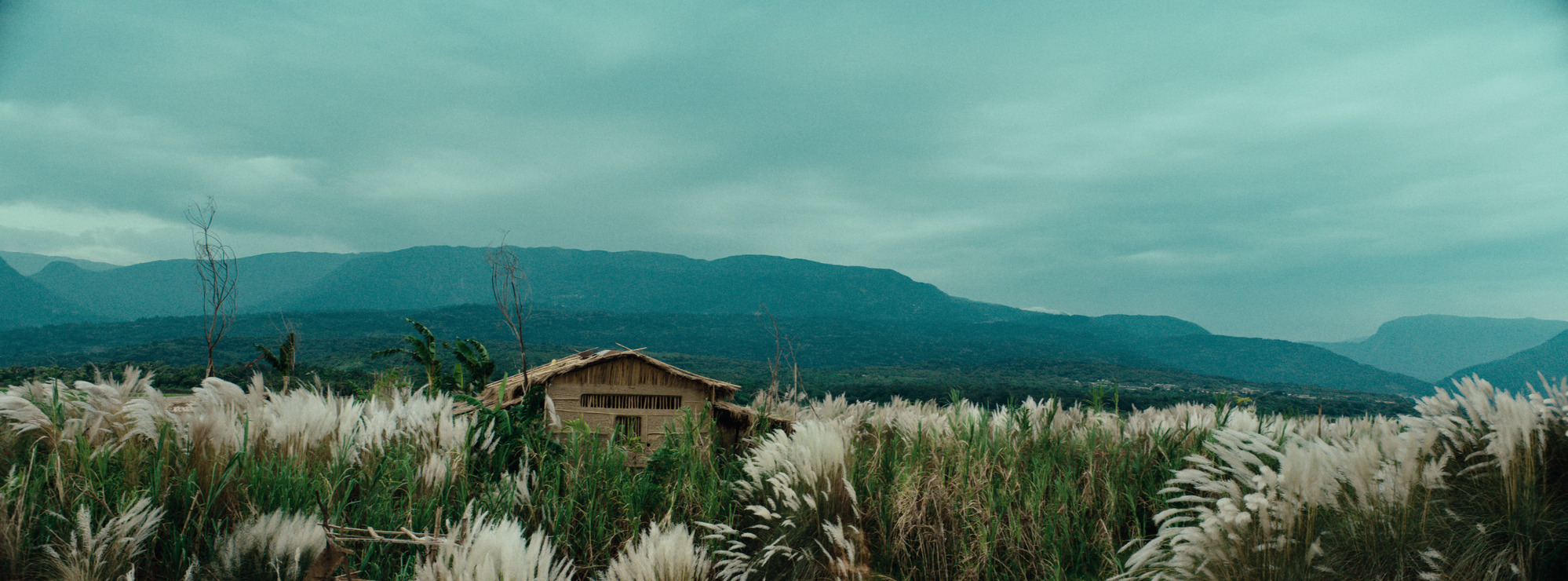
This is perhaps why the film reminded me less of contemporary realism and more of a certain lineage within Bengali literature, particularly Manik Bandopadhyay. Not because Roid adapts Manik literally, but because both seem driven by the same compulsion: to uncover the instinctive and psychological layers buried beneath rural existence. Manik's greatest characters were never merely poor; they were haunted by hunger, sexuality, shame, loneliness, greed, tenderness, bodily need, and irrational longing. His villages were not pastoral fantasies. They were places where the environment entered consciousness itself, where the external world and interior life became indistinguishable. What Manik explored through prose and psychological narration, Roid attempts audiovisually. Through image. Through weather. Through silence. Through physical gestures. Through pauses. Through sound design. Through bodies existing within ecology.
The emotional tension between Sadhu and his wife never fully resolves into romantic language. It remains suspended somewhere between devotion, dependency, erotic yearning, fear, resentment, and animal tenderness. Their relationship often feels older than modern ideas of love, something almost primordial. Not psychologically healthy in any contemporary sense, but deeply human in its emotional nakedness.
What makes the relationship even more unsettling is the film’s recursive structure of return. Each time Sadhu loses his wife and encounters the palm fruits again, she seems to return altered, almost as if shaped by his evolving desires. The woman who initially appeared socially unintelligible gradually re-emerges in forms more emotionally legible to Sadhu himself: more domestic, more intimate, more assimilated into his longing. Desire in Roid does not move forward towards fulfilment. It circles, repeats, mutates, and traps both figures within an increasingly unstable emotional ritual.
There is also another haunting emotional undercurrent within Roid that perhaps reveals the film’s deepest archaeological instinct. At one point, Sadhu’s wife returns pregnant after having been abandoned in a distant, uninhabited landscape, as if nature itself had silently carried life through exile, disappearance, and abandonment. Her pregnancy no longer functions merely as biological continuity; it becomes something archaic and mythic, an ancient mode of survival in which motherhood and ecology collapse into one another. Within the patriarchal order of the village, she is never fully granted an individual identity. Like countless women absorbed into social function and domestic possession, she remains simply “Sadhu’s wife”, her real name seemingly erased beneath the historical structures of lineage, ownership, and masculine memory. Sadhu’s tragedy perhaps lies in the fact that he never truly learns how to encounter the woman as an autonomous presence. He longs instead for increasingly inhabitable versions of her, versions capable of satisfying his emotional and bodily fantasies without threatening his fragile sense of order. Love gradually becomes inseparable from projection. What returns to him each time feels less like resurrection than reconstruction.
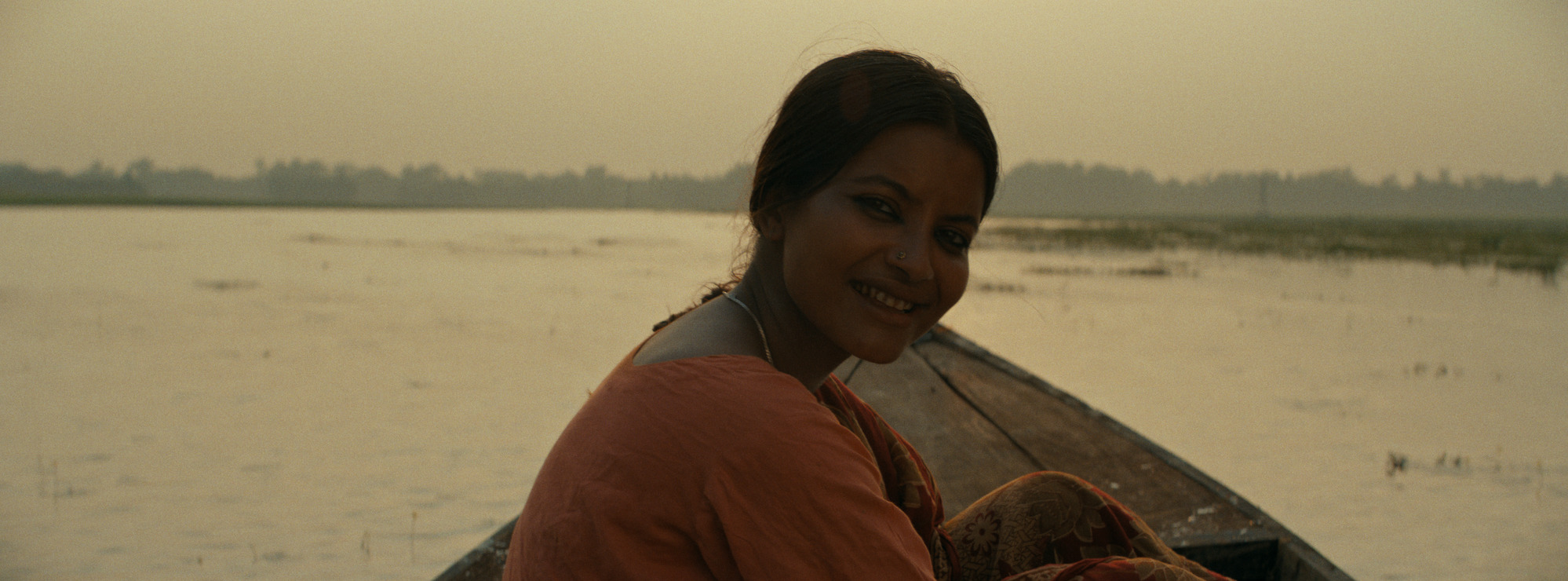
Yet the film quietly destabilises this erasure through metaphor and magic realism. Her body becomes simultaneously abandoned territory and sacred vessel, recalling ancient religious archetypes surrounding maternal suffering and miraculous conception, from Mariam/Mary to countless folkloric mothers whose identities dissolve into symbolic motherhood itself. What makes Roid particularly extraordinary is how it juxtaposes this fragile gestation of life against acts of sacrifice, consumption, and animal tenderness. Love circulates through unstable forms within the film: nurturing domestic animals, devouring the beloved, protecting through violence, longing through possession. Affection itself becomes inseparable from hunger. In this world, love is never domesticated into modern romantic language; it survives as something older, instinctive, fearful, tender, and revolutionary beneath the visible structure of patriarchy. And this is where many readings of the film become reductive.
Time in Roid rarely feels chronological in the conventional cinematic sense. It behaves more like ritual duration. Events seem less to progress than to recur under altered emotional conditions, as if the characters remain trapped within a cyclical structure of guilt, longing, punishment, and return. The film’s rhythms often resemble the movement of myth itself: repetitive, accumulative, and inescapable.
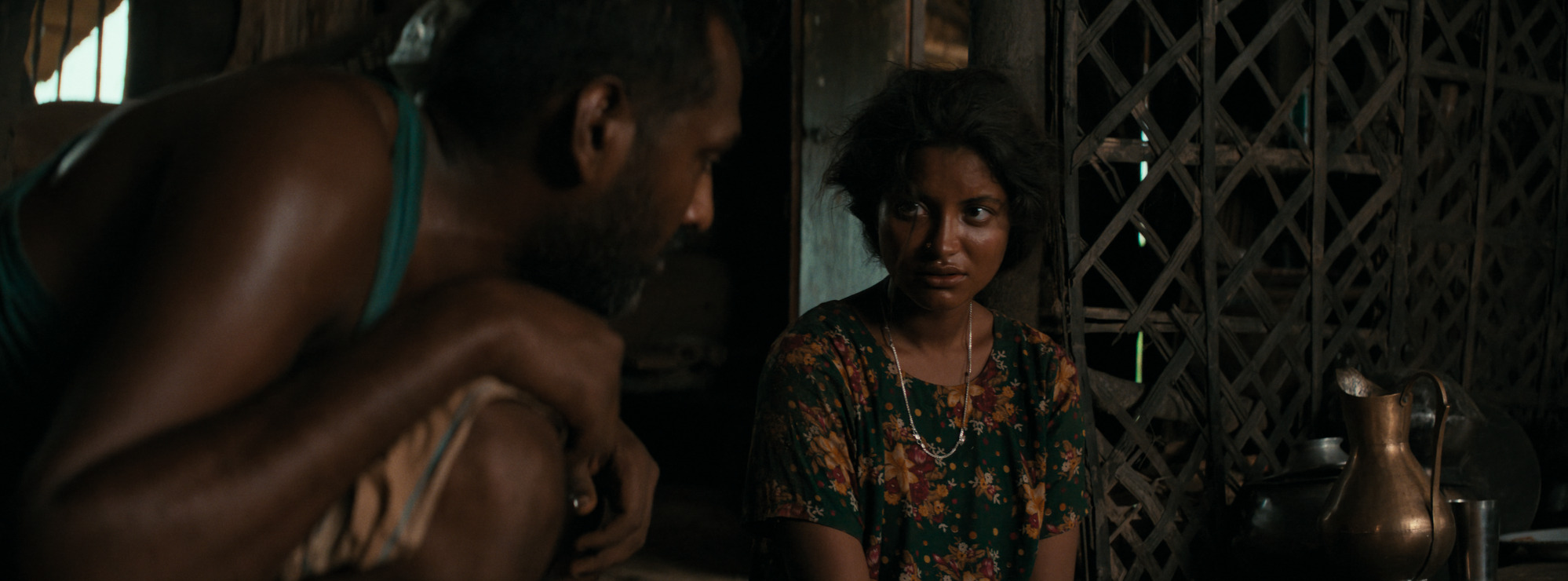
Several viewers have tried to decode the film entirely through Biblical allegory: Adam and Eve, forbidden fruit, sin, punishment. Those readings are not baseless. The imagery invites archetypal interpretation. But Roid becomes far richer when its symbols are allowed to remain unstable. The palm fruits are never merely one thing. Sometimes they resemble temptation. Sometimes fertility. Sometimes decay. Sometimes memories. Sometimes desire itself. The film resists fixed translation. Like folklore, its meanings remain fluid.
And perhaps that is why the film stays with people even after they leave the theatre. Not because every viewer fully understands it, but because it activates something emotional and sensory that exceeds explanation. Contemporary audiences are increasingly trained to consume cinema through immediate interpretation: "What does it mean?", "What was the message?", "Explain the ending." But certain films ask something else of us.
Not interpretation first, but experience. Not conclusion, but immersion. Not clarity, but residue. This is also why the discourse around "this film is not for everyone" feels misguided. A film does not need to emotionally resonate with every spectator to remain open to everyone's encounter with it. Difficulty should not become cultural gatekeeping. One viewer may reject Roid. Another may feel haunted by it without fully knowing why. Both are legitimate encounters with cinema. Because ultimately, Roid is not asking the audience to solve it. It is asking the audience to inhabit its atmosphere.
Sumon's debut feature Hawa was a film that announced him decisively: critically acclaimed on the festival circuit, submitted as Bangladesh's entry for the Academy Awards, and the highest-grossing Bangladeshi film of 2022, earning over sixteen crore taka at the box office and becoming the first Bangladeshi film to enter the top thirty of the US limited-release charts. It was, in the fullest sense, a film that proved art and audience need not be adversaries. If Hawa was a film about the storm, then Roid feels like a film about buried mystery. One moved outwards towards chaos. The other sinks inward towards subconsciousness.
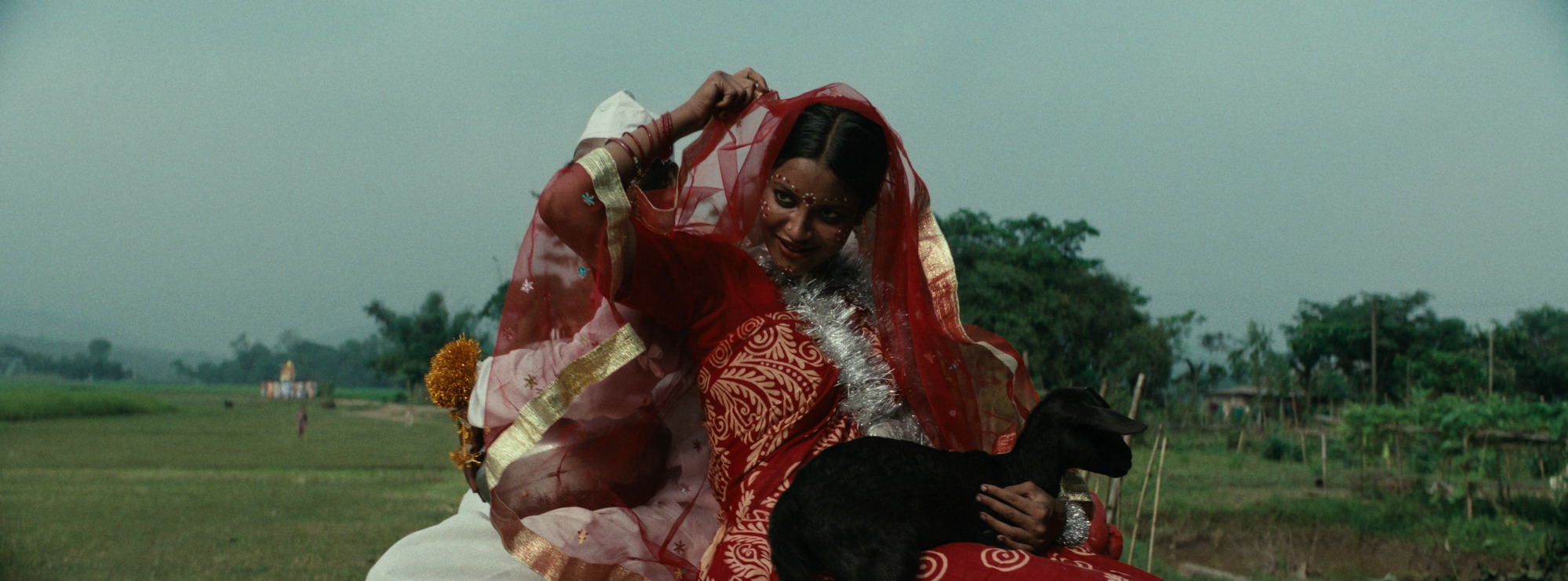
By the film’s final movement, longing itself becomes incorporative. Sadhu no longer merely desires proximity, touch, or companionship. He wishes to absorb what he cannot fully possess. Love in Roid ultimately approaches its most terrifying form not through separation, but through the obliteration of distance between self and beloved. And somewhere within that darkness, between myth and mud, longing and ecology, body and landscape, Roid discovers a cinematic language that contemporary Bengali cinema rarely attempts any more: a language in which explanation becomes less important than sensation, and in which the emotional truth of an image matters more than narrative certainty.
Years from now, Roid will likely continue to be quoted and revisited because it expands the possibilities of Bangladesh's visual storytelling with rare emotional and cinematic conviction.
Naseef Faruque Amin is a writer, screenwriter, and creative professional.
Send your articles for Slow Reads to slowreads@thedailystar.net. Check out our submission guidelines for details.

Forgotten story of Jeanette Van Tassel, the American woman who flew over Dhaka in 1892

Beyond 1947 / A personal essay
Abul Mansur Ahmad / A global quest in search of a nation

Chand Bibi and the forgotten history of Muslim women’s political resistance
Women’s voices in Nazrul’s Dhumketu
How Milad-un-Nabi shaped Muslim cultural life in colonial Bengal
What Rashomon teaches us about truth and human behaviour

Why Chittagong never became a maritime city
The many worlds of Ghulam Murshid