Why aren’t we talking about the health risks of battery rickshaws?
We do not often talk about the quiet suffering that comes with our everyday rides. When battery-run rickshaws are debated in Dhaka, the conversation usually revolves around road safety, traffic congestion, or government attempts to remove them from the city’s main roads. Officials argue about licensing, solar charging, and discipline. Yet what we do not talk much about is the way these rides themselves—the jolts, the vibrations, and the lack of proper brakes—leave their mark on our bodies.
For millions, battery rickshaws are indispensable. They are cheap, accessible, and almost always available. But the ride is rarely smooth. A battery rickshaw rattles over potholes, sways on uneven roads, and jerks to sudden halts because its braking system is weak. Unlike the slower, steadier pedal rickshaw, the battery version often lurches forward or stops abruptly, throwing passengers against the hard metal frame. For a commuter rushing to work, this may feel like a minor annoyance. For someone with fragile bones, aching joints, or menstrual cramps, however, it can be agony.
Women carry this burden silently. Many rely on rickshaws for short trips, yet the jolts intensify discomfort during menstruation. One office worker confided, “During my period, even a ten-minute ride feels like torture. The jolts make the cramps unbearable, but I have no other option to reach work on time.” These are not stories we hear in public debates about transport policy, yet they shape the daily lives and experiences of thousands.
Women carry this burden silently. Many rely on rickshaws for short trips, yet the jolts intensify discomfort during menstruation. One office worker confided, “During my period, even a ten-minute ride feels like torture. The jolts make the cramps unbearable, but I have no other option to reach work on time.” These are not stories we hear in public debates about transport policy, yet they shape the daily lives and experiences of thousands.
The elderly, too, find themselves caught in this paradox. Battery rickshaws provide mobility when walking long distances is impossible, but the ride itself can worsen their conditions. Arthritis flares up with every jolt, spinal pain deepens with each bump, and the fear of accidents lingers because the braking system can be unreliable. An elderly man in Mirpur explained, “I depend on rickshaws to visit the doctor. But every ride leaves me with more pain than before. My knees swell, my back stiffens. It feels like the cure is also the cause.”
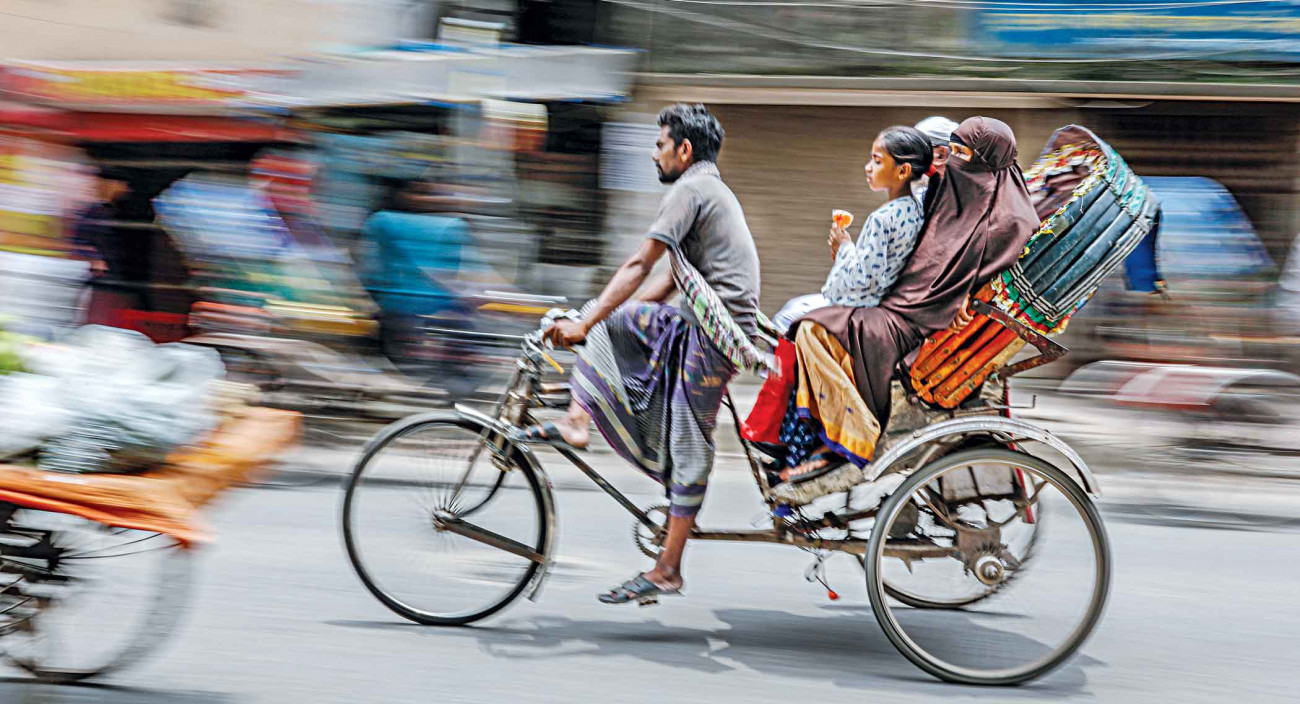
Pregnant women face even greater risks. Doctors warn that strong vibrations and sudden braking can trigger premature contractions or miscarriage. Mothers riding with children endure not only the physical discomfort but also the psychological stress of fearing for their safety. These are not headline-grabbing accidents, but they represent daily erosions of health, well-being and dignity.
And then there is the attitude of the rickshaw pullers themselves. Many passengers complain that when they ask drivers to slow down or brake properly on uneven roads, their requests are brushed aside. The drivers, eager to finish trips quickly and earn more fares, often refuse to adjust their driving style. An office-goer from Kathalbagan, who takes four rickshaw rides every day, shared her frustration: “Even where the jolting is unbearable, they refuse to drive carefully. I tell them to brake slowly, but they laugh it off or ignore me. By the time I reach the office, my whole body aches.” This everyday clash between passenger vulnerability and driver indifference adds another layer to their suffering.
One commuter described her daily ordeal after work: “I remember riding a battery rickshaw after a long day. My back was already sore, and every bump felt like a hammer against my spine. The driver sped through narrow lanes, braking suddenly and swerving recklessly. By the time I reached home, my head throbbed, my body ached, and I wondered: is this convenience worth the pain?” For many women, especially during menstruation, this is not just occasional discomfort—it is a monthly ordeal. For the elderly, it is a daily reminder of their fragility. For pregnant women, it is a risk they should never have to take.
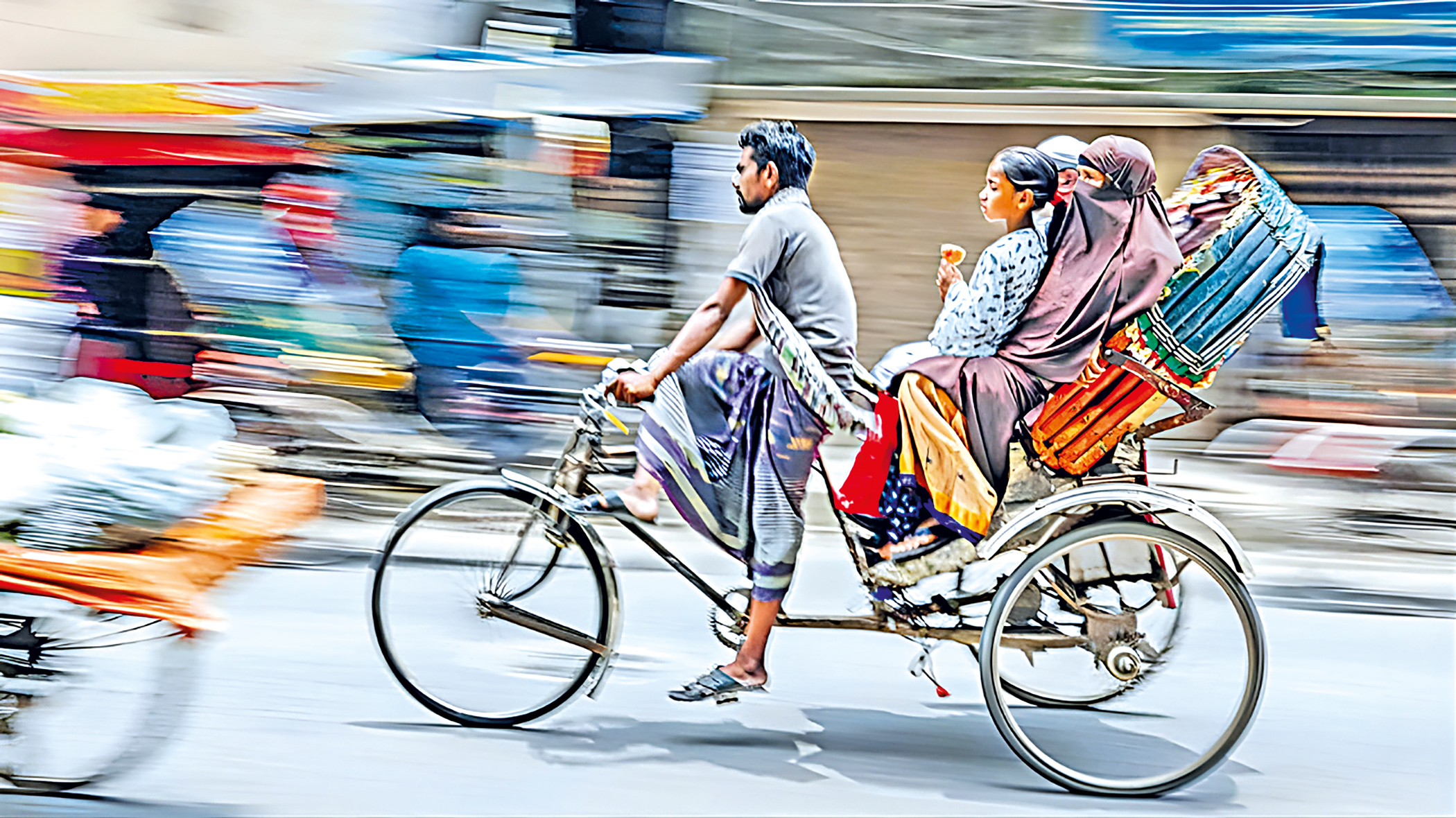
The irony is that battery rickshaws have come to offer some practical advantages—a way to reduce the physical strain on drivers while providing affordable and accessible mobility. Drivers who once strained their bodies pedalling now earn their livelihoods with less physical effort. Passengers who once struggled to find transport during office hours now have another option. But convenience has a hidden cost, and it is paid not in money but in health.
The government’s attempts to regulate or remove battery rickshaws often focus on traffic discipline, electricity theft, or road safety. Rarely do these discussions include the lived experiences of passengers.
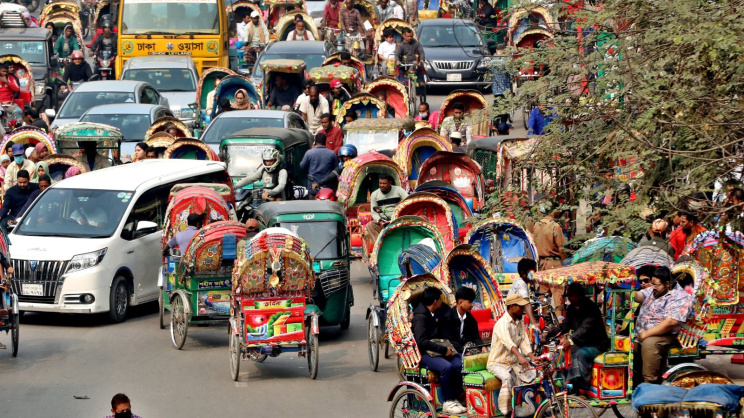
In truth, the suffering is not dramatic. It is not the kind of tragedy that makes headlines. It is quieter, slower, and more insidious. It is the headache that lingers after a ride, the back pain that grows worse over months, the menstrual cramps that intensify with every bump, and the pregnancy risks that remain unspoken. It is the erosion of comfort, dignity, and health in the name of convenience.
And yet, these small sufferings accumulate. They shape how people move through the city and how they experience daily life. They shape the choices women make about work, the risks elderly people take just to stay on the move, and the fears pregnant women carry with them. They are part of the urban story, even if we do not write them into policy.
Convenience should not come at the cost of health. Battery rickshaws provide livelihoods, mobility, and accessibility, but their design flaws, reckless use, and dismissive driver attitudes impose hidden burdens. If we truly care about the future of urban transport, we must look beyond road safety and traffic rules. We must listen to the bodies that bear the burden of every ride.
Masuma Moriom is a development professional. She can be reached at masumamoriom.du@gmail.com.
Send your articles for Slow Reads to slowreads@thedailystar.net. Check out our submission guidelines for details.
Can the new strategy achieve Bangladesh’s renewable energy targets?

André Wink speaks / What we get wrong about the Indo-Islamic world
Bengali Muslims and the ghosts of India's citizenship politics
Bangladesh’s solar growth: Will the incentives be enough?

The missing link in Bangladesh's innovation economy
Dhaka’s battery rickshaw problem is economic, not just about traffic
The staircase between our mothers and care
Is Bangladesh prepared for the next food shock?
From more power to better power: Rethinking Bangladesh’s energy future