Is Bangladesh prepared for the next food shock?

Indian External Affairs Minister S Jaishankar recently warned that the world may be heading towards a major food crisis. He was speaking at an Asia Society event in New York on September 28, a few days after the UN General Assembly’s high-level week.
“There is going to be a major food crisis, probably in the coming months”, were the exact words he used before pointing to several reasons.
The wars in Ukraine and the Iran-Gulf region, he said, have hit Global South economies hard. Some major grain exporters could struggle to get their crops out, particularly through the Black Sea.
Fertiliser supplies are also under pressure because some of the biggest producers are in the Middle East and Russia. Energy markets are tight, while a strong El Niño is approaching.

According to him, there is another pressure that gets less attention: when conflicts erupt, money tends to move into safe-haven assets and out of poorer countries, leaving them with less money to pay for food and fuel.
Jaishankar calls this the “4F crisis”: food, fuel, fertiliser and finance. He first used the term in his address to the General Assembly and repeated it in New York.
The combined pressure on developing countries, he said, has been “very, very stressful”. He also argued that policymakers cannot simply say they did not intend the damage that their decisions cause elsewhere, though he did not name any country in particular.
Politics aside, the facts behind some of the warnings are fairly easy to check, and the weather is perhaps the clearest example.
On September 10, the US Climate Prediction Centre said El Niño was strengthening, with a greater than 90 per cent chance of a very strong event during the Northern Hemisphere’s autumn and winter. The agency is careful about one thing, though: a strong El Niño does not guarantee severe impacts, even if it makes them more likely.
India has already had a poor monsoon year. In May, the India Meteorological Department cut its forecast to 90 percent of the long-period average, putting the season in the below-normal category. So India’s warning is partly a warning about its own exposure, too.
Meanwhile, the fertiliser problem runs through the Strait of Hormuz.
The UN Food and Agriculture Organisation says about a third of the world’s crude oil passes through the strait, along with a fifth of liquefied gas and between 20 and 30 per cent of global fertiliser trade.
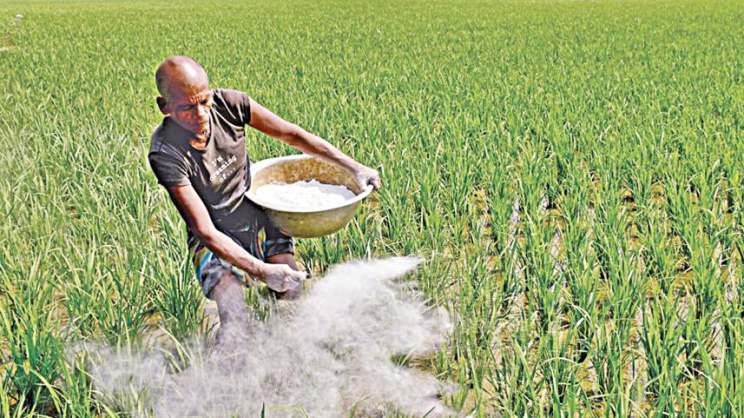
Gas is a key raw material for urea, so when gas supplies are disrupted, fertiliser supplies can be affected too. The World Bank expects fertiliser prices to rise by more than 30 percent this year.
World food prices have already started moving. The FAO Food Price Index averaged 133.3 points in August, while the cereal index reached its highest level since May 2024.
FAO’s Chief Economist Maximo Torero said a risk premium is returning to food markets, with climate shocks, geopolitical tensions and shipping disruptions all pointing towards tighter supply expectations.
There is one obvious point that Jaishankar’s critics could raise, and it is a fair one.
The world is not short of grain today. FAO still expects the second-largest cereal harvest on record this year, although it has trimmed its forecast to 2.979 billion metric tonnes. The problem is what comes next. If fertiliser remains expensive, farmers may use less of it. If the rains fail in some places, yields will suffer. Poorer countries, which have less ability to absorb higher prices, would feel the effects first.
The World Food Programme estimates that this El Niño could push at least 4.9 crore more people into acute hunger by the end of 2027.
Asia has particular reason to pay attention because it grows and consumes most of the world’s rice. In August, the FAO rice price index edged up 0.5 percent, helped by steady purchases from Asian and African countries.
But rice is also where food fears can spread quickly. In 2008, oil prices surged, fertiliser became more expensive, and major exporters, including India and Vietnam, imposed rice export restrictions. Panic buying followed. Rice prices went from around $300 a tonne to more than $1,000 within months.
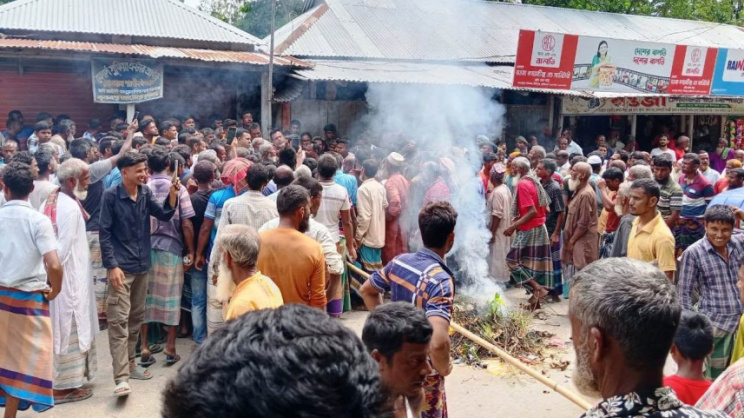
Bangladesh was not spared either. Domestic rice prices rose by roughly 38 percent, followed by unrest in several districts.
This is not 2008, and there is no reason to pretend it is. But the chain of events is familiar: energy costs rise, farm inputs become more expensive, and governments respond with trade restrictions.
India sits at the centre of that chain. It holds large government rice stocks and has shown that it will restrict exports when domestic prices rise, as it did in 2023. Importing countries will be watching what Delhi does this winter.
Jaishankar was perhaps speaking as a voice for the Global South, but India’s own decisions will be an important test of that position.
Bangladesh has plenty at stake. It was already on a list no country wants to be on. The 2026 Global Report on Food Crises placed Bangladesh among the ten countries with the largest numbers of people facing acute food insecurity in 2025, with around 1.6 crore people facing crisis-level food insecurity or worse. And that was in a year when the situation had improved.
The latest figures point in the other direction. A UN-backed analysis found that around 1.53 crore people faced acute food insecurity between May and August.
For September to December, it projects 1.81 crore, an increase of 18 percent. Around 7.87 lakh people are expected to face emergency-level conditions. FAO says weak purchasing power is a major reason, with inflation remaining high because of fuel and energy costs following the Hormuz disruption. Flooding in some areas has also damaged livelihoods.
Fertiliser is the biggest weak spot. Bangladesh imports 75 to 80 percent of the fertiliser it uses. Estimates of the share that comes through Hormuz range from a quarter to a third.
Much of the country’s urea comes from Saudi Arabia, Qatar and the UAE. Domestic production is hardly a secure fallback. Gas shortages have forced state-owned urea plants to shut down at different points this year, and in March, most of the major plants stopped production at the same time.
That is significant because rice consumes most of the fertiliser used in Bangladesh. Rice accounts for about three-quarters of fertiliser use in the country. The Aman and Boro seasons together produce more than 90 percent of the country’s rice crop. The next Boro season begins in winter, which means urea, DAP and potash need to be in warehouses before farmers need them.
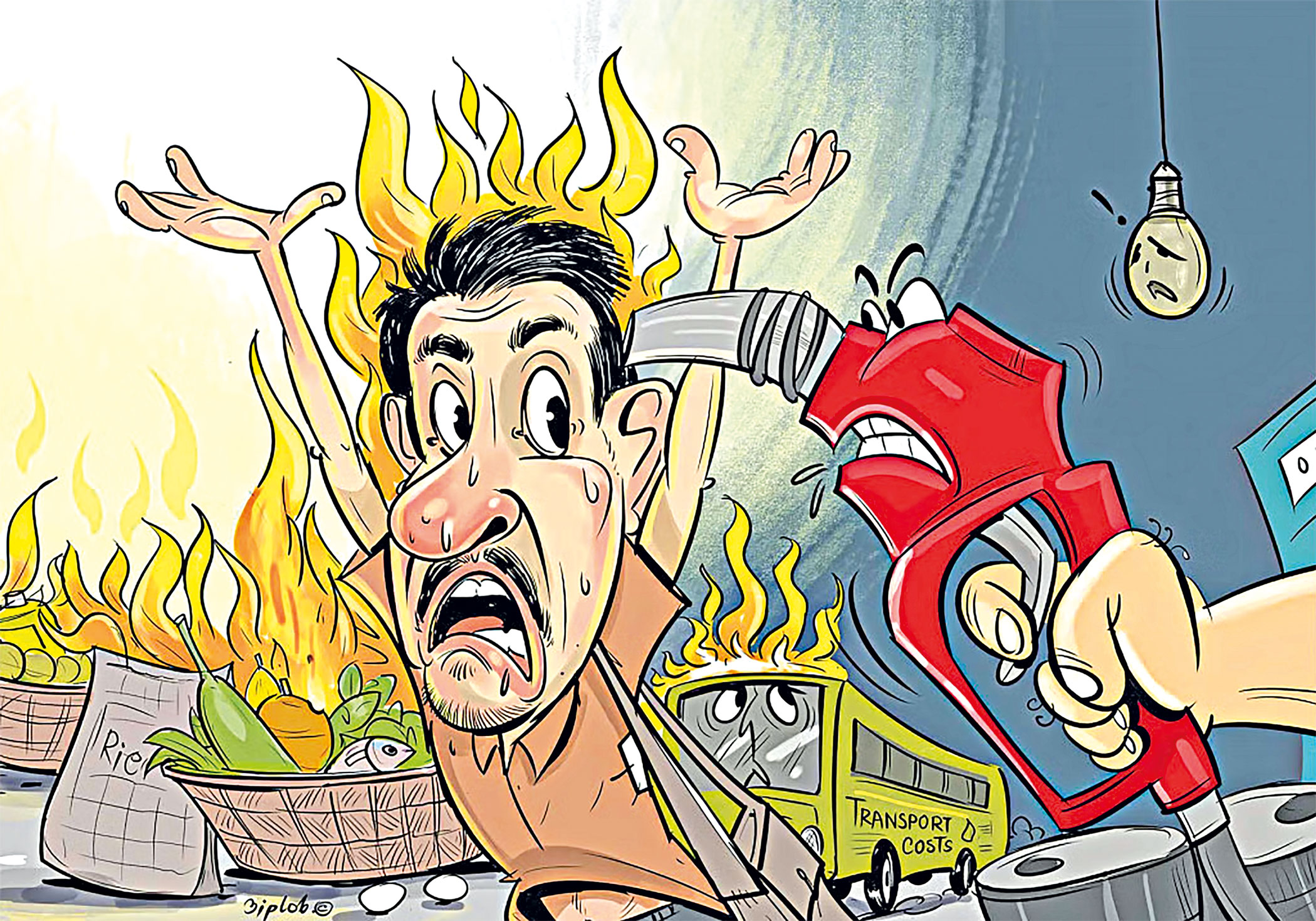
Fuel adds another layer of pressure. Diesel cost Tk 100 a litre in February, rose to Tk 115 from April 19, and then increased by another Tk 20 to Tk 135 from September 21. That puts the current price about 35 percent higher than it was immediately before the US-Israel war on Iran.
Around 1.22 million of the country’s 1.65 million major irrigation pumps run on diesel, according to the Asian Development Bank. The trucks carrying rice and vegetables to markets also run on it. So the people with the least room to absorb another price shock will feel it first.
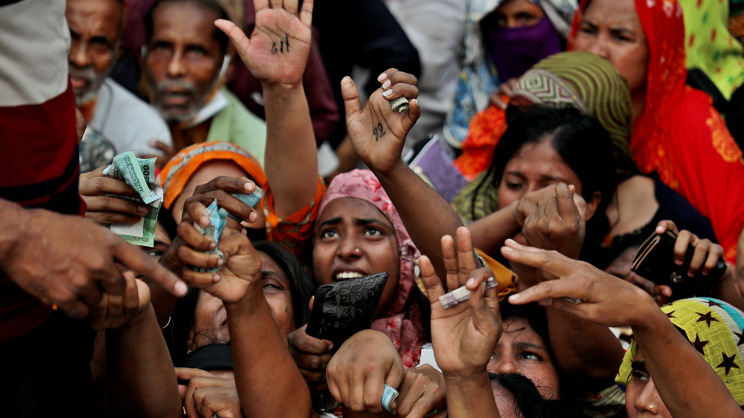
Around 62 percent of households in Bangladesh spend at least half of their total income on food, according to a study by the Bangladesh Bureau of Statistics (BBS) last year. When food prices rise, these families cannot simply cut back on luxuries. They cut back on eggs, milk and lentils instead.
Still, it would be wrong to say that Bangladesh is heading towards an empty rice bin. FAO forecasts this year’s paddy crop at 6.19 crore tonnes, around 5 percent above the four-year average. The Boro harvest came close to last year’s record. FAO expects rice imports to fall to 8 lakh tonnes this year, from 19 lakh tonnes last year.
Government granaries held 19.2 lakh tonnes of grain in April, against a safe level of 13.5 lakh tonnes set by the government itself. The government has also kept fertiliser prices unchanged and waived VAT and advance tax on imports.
In June, the World Bank approved $1.1 billion across two projects to help Bangladesh counter fertiliser and fuel price volatility, safeguard food security, and enable a rapid crisis response.
So the immediate risk is not a rice shortage. It is a weaker Boro crop next year, higher food prices and households being unable to afford the food available in the market. A warehouse can be full, and a plate can still be empty if people cannot afford what is inside it.
However, several practical steps could be taken to mitigate the impending threat. Bangladesh could buy fertiliser earlier and diversify its sources, while using government-to-government deals where possible to reduce supply risks.
Gas should be kept flowing to the most productive urea plants. Farmers could be given targeted support for diesel-powered irrigation, with a clear end date, while more money is invested in solar-powered pumps.
Oil prices, shipping conditions, gas supplies, fertiliser stocks and food prices should also be tracked together, rather than treated as separate problems, so that officials can respond before shortages develop.
Through the winter, open market sales and TCB distribution should continue, alongside cash or food assistance for the most vulnerable households.
Money, however, is tight. The FY2026-27 budget cuts subsidies and incentives by 5.78 percent from the previous year, even as these pressures are building.
That makes early decisions more important. Waiting until the problem becomes visible in the retail market will only make the response more expensive.
Jaishankar’s speech was also an exercise in diplomacy. India wants to be heard as a voice for the Global South while dealing with its own exposure to food and fertiliser shocks. But the facts behind his warning do not depend on the diplomacy. The weather outlook is severe, fertiliser is becoming more expensive, and global food prices are at their highest level in almost four years. For Bangladesh, the Boro season is the real deadline. The crop is planted in December and January, so the decisions that matter will have to be made before then.
Jannatul Naym Pieal is a Dhaka-based writer, researcher and journalist. He can be reached at jn.pieal@gmail.com.
Send your articles for Slow Reads to slowreads@thedailystar.net. Check out our submission guidelines for details.
From more power to better power: Rethinking Bangladesh’s energy future

Growing out of LDC status: Bangladesh’s real negotiation at COP31
What is holding back solar in Bangladesh’s garment industry?
Confessions of a finance professor: The danger of putting profits first
The making of a cup of tea: Plantation, empire and the pursuit of quality
Why Bangladesh’s measles outbreak should be a wake-up call

From prediction to preparedness: How AI can help us navigate climate uncertainty

Crisis in Bangladesh’s Islamic banks: Liquidity is not capital, and a merger is not a cure

Can Bangladesh turn its OTT industry into global soft power?