


Time to recognise the emotional toll of river erosion


In the quiet villages along the banks of the Ganges and Brahmaputra rivers, a slow disaster unfolds year after year. Homes vanish overnight, land disappears beneath spinning currents, and families are forced to flee with little more than the clothes on their backs. Yet, amid the visible destruction caused by riverbank erosion, an invisible crisis brews—one that affects the minds and hearts of those left behind.
Riverbank erosion is not new to Bangladesh. It is a recurring disaster that displaces hundreds of thousands annually. But what has remained largely unaddressed is the psychological toll it takes on the affected population. Our paper titled "Effect of riverbank erosion on mental health of the affected people in Bangladesh," published in PLOS ONE in 2021, co-authored by Md Jahangir Alam, Md Rezaul Haque and me, explored the mental health consequences of riverbank erosion in two of the most erosion-prone districts of the country: Rajbari and Tangail. The findings were stark and deeply troubling.

We surveyed 611 households, of which 83 percent had been directly exposed to erosion. Using the Depression Anxiety Scales (DASS-21) and statistical tools, we found that 38 percent of respondents showed symptoms of depression, 76 percent suffered from anxiety, and 32 percent experienced stress. In fact, exposed individuals were 8.3 times more likely to suffer from depression, 2.3 times more likely to experience anxiety, and 5.1 times more likely to be stressed compared to their non-exposed counterparts.
The mental health burden was not evenly distributed. Women, particularly housewives, were disproportionately affected. Older individuals, the uneducated, and those with larger families also showed higher rates of psychological distress. The economic dimension was equally critical—respondents with lower monthly incomes were more vulnerable, and those who had lost cultivable land or livestock faced compounded stress due to financial insecurity.
One of the most revealing aspects of the study was the impact of displacement. People who had been forced to relocate within the past three years were significantly more likely to suffer from depression, anxiety, and stress. These individuals often found themselves outside the reach of government support systems, struggling to rebuild their lives in unfamiliar environments. The trauma of sudden displacement, coupled with the lack of institutional assistance, created a perfect storm for mental health deterioration.
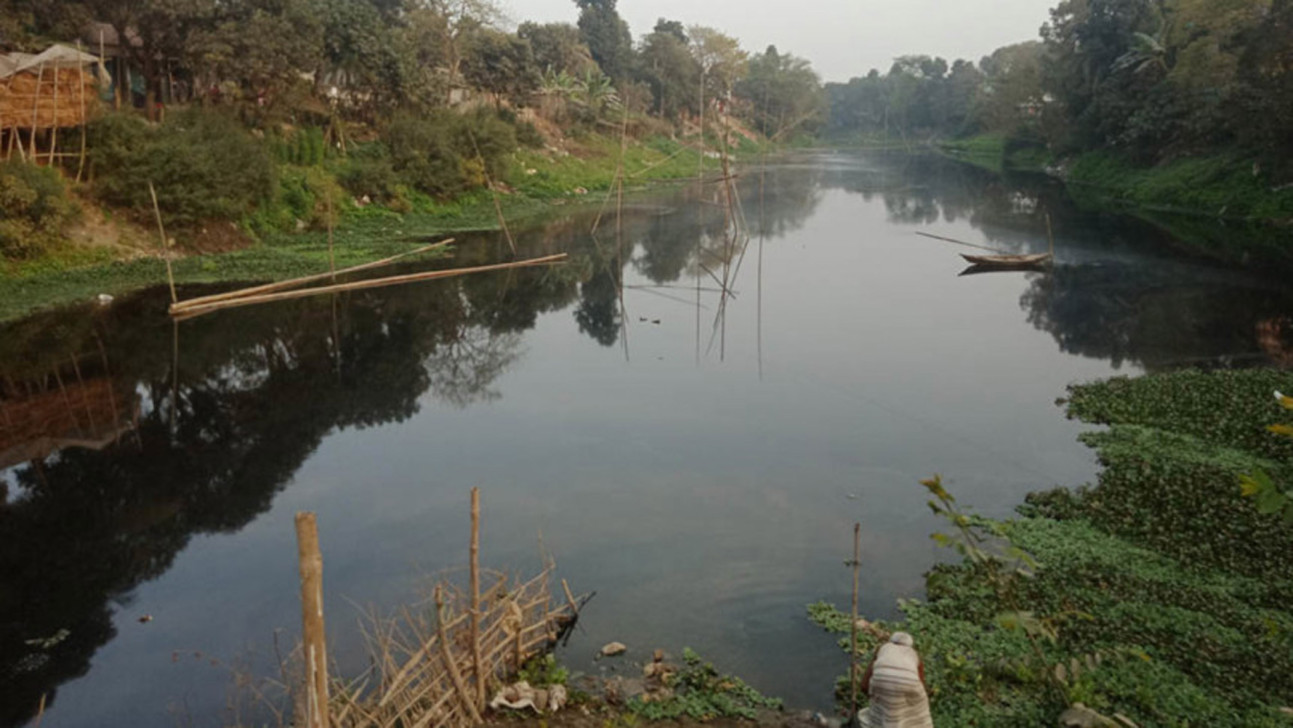
This crisis is particularly ironic when viewed through the lens of global economic geography. As Jeffrey D Sachs notes in The Ages of Globalization: Geography, Technology, and Institutions, proximity to rivers and coasts has historically been a major advantage for economic development. Waterways have long offered the cheapest and most efficient means of transporting goods, fostering trade, agriculture, and urban growth. Adam Smith, in The Wealth of Nations, emphasised that industry naturally flourishes along navigable rivers and coasts, where markets are more accessible and infrastructure more concentrated.
Indeed, riverine and coastal cities have historically been hubs of innovation, commerce, and cultural exchange. According to a 2022 Intergovernmental Panel on Climate Change report, coasts are home to 28 percent of the world population. Another 2011 study stated that 50 percent of global population lives within three kilometres of a surface freshwater body. Europe, for instance, benefits immensely from its geography—around 80 percent of its population lives near a waterway, enabling robust economic activity and connectivity.
Bangladesh, too, is blessed with an intricate network of rivers and a long coastline. But for many of its citizens, this geographic gift has turned into a curse. Instead of prosperity, proximity to rivers now brings displacement, trauma, and mental illness. The very waterways that once sustained livelihoods are now eroding them—physically and psychologically.
Importantly, riverbank erosion is not solely a natural phenomenon. Anthropogenic activities—particularly indiscriminate sand extraction from riverbeds—have accelerated erosion in many regions. These practices, often driven by short-term economic interests, destabilise riverbanks and increase the vulnerability of nearby communities. Recognising these human-induced factors is essential for crafting effective and just policy responses.
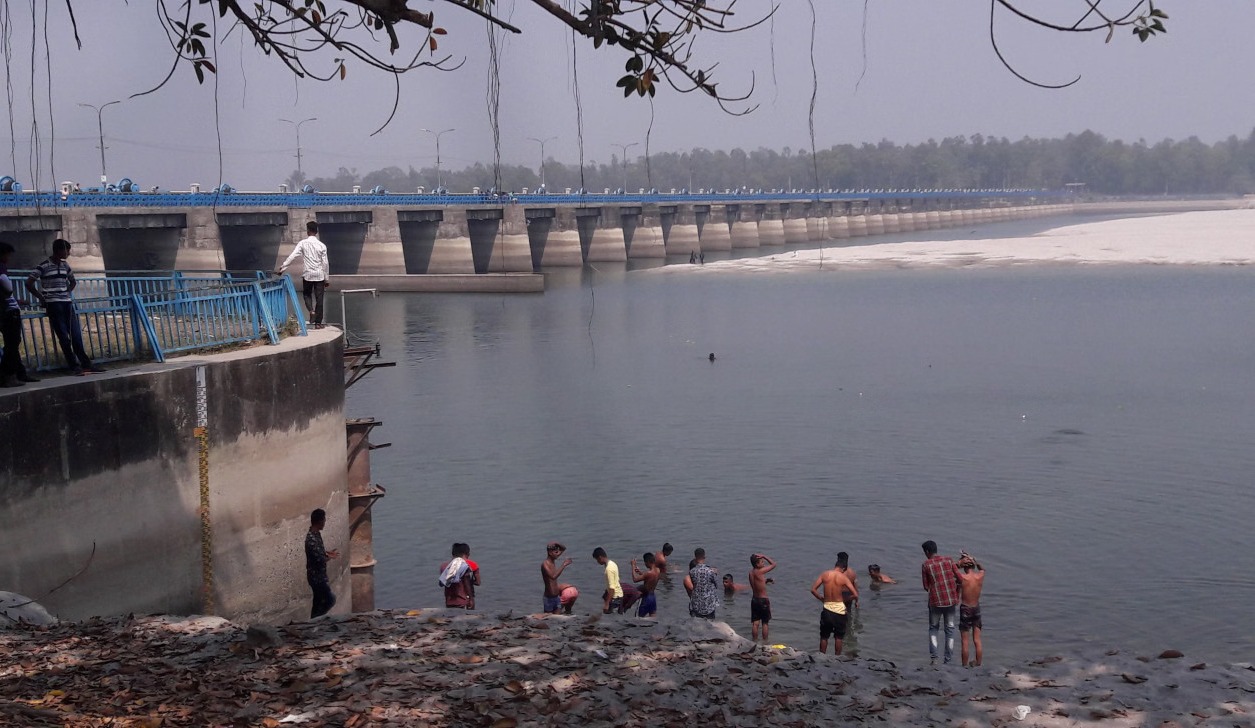
The emotional wounds of erosion go beyond the loss of property. Families often lose ancestral graveyards—sacred spaces that connect generations and hold deep cultural significance. The disappearance of these sites is not just a physical loss but a spiritual and emotional rupture. For many, it feels like losing a part of their identity.
Another devastating consequence is the sudden collapse of dignity in society. Riverbank erosion can turn well-off families destitute overnight. The psychological shock of losing status, security, and social standing is profound. Unlike some other natural disasters, erosion often strikes without warning, and its victims carry the burden silently.
Despite the gravity of the situation, mental health remains a neglected area in Bangladesh's disaster response framework. The country's mental health infrastructure is underdeveloped, and awareness about psychological disorders is limited. Climate change is expected to exacerbate the frequency and intensity of riverbank erosion. As extreme weather events become more common, the number of displaced individuals will rise, and so will the mental health burden. Without proactive measures, Bangladesh risks facing a silent epidemic of psychological disorders among its most vulnerable populations.
Bangladesh cannot afford to overlook the people who live by its rivers, as they are the backbone of the river economy. The government must act decisively: integrate mental health into disaster response, expand targeted social safety nets, regulate sand extraction, and ensure fair access to reclaimed land for agricultural use. As seen in Tangail, access to land can significantly reduce psychological distress by restoring livelihoods and a sense of stability. Education is key. Families that educate their children adapt far better to crises. Targeted educational support for displaced households should be a priority. European nations have already shown the way, securing vulnerable communities through robust social protection and climate adaptation strategies. Bangladesh must follow suit. Behind every collapsed home is a story of loss, fear, and resilience. As Bangladesh continues to battle the forces of nature, it must also recognise and respond to the emotional wounds left in its wake from lost land to lost legacy.
Altaf Russell is a PhD researcher in Economics at the University of Glasgow in United Kingdom. He can be reached at altafstat71@gmail.com.
Views expressed in this article are the author's own.
Follow The Daily Star Opinion on Facebook for the latest opinions, commentaries, and analyses by experts and professionals. To contribute your article or letter to The Daily Star Opinion, see our guidelines for submission.
 For all latest news, follow The Daily Star's Google News channel.
Comments