


Panic buying may only deepen fuel crisis
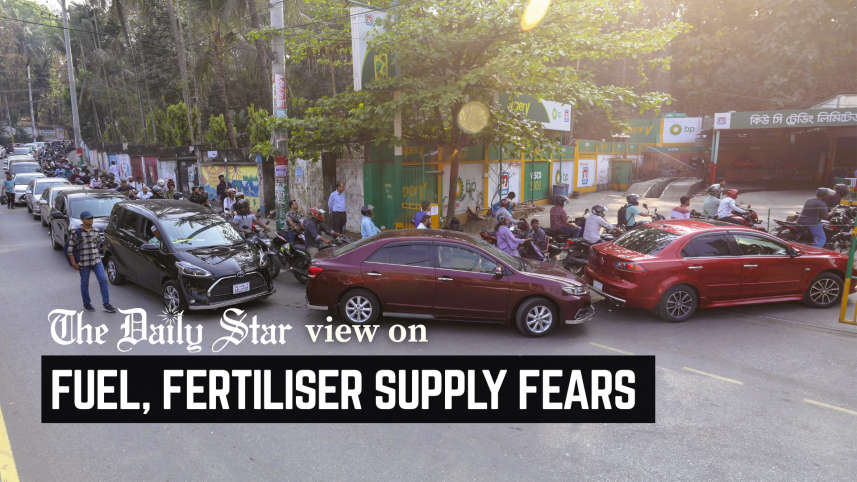
As the war in the Middle East continues to unsettle global energy markets, Bangladesh is beginning to feel the ripple effects. Over the weekend, filling stations in Dhaka, Chattogram, and elsewhere were overwhelmed by motorists rushing to buy fuel amid fears of supply disruptions. Long queues formed at many stations, with drivers waiting for hours to fill their tanks. The country relies heavily on imported energy, particularly fuel oils and liquefied natural gas (LNG) from the Middle East, and the closure of the Strait of Hormuz has raised concerns about potential disruptions to supplies for transport, industry, and households. Around one-fifth of our crude oil imports pass through this vital route. Although most refined petroleum products are sourced from other Asian suppliers, uncertainty in global energy flows has increased consumer anxiety. Their reaction is therefore not entirely surprising, though the situation does not appear to warrant panic.
 For all latest news, follow The Daily Star's Google News channel.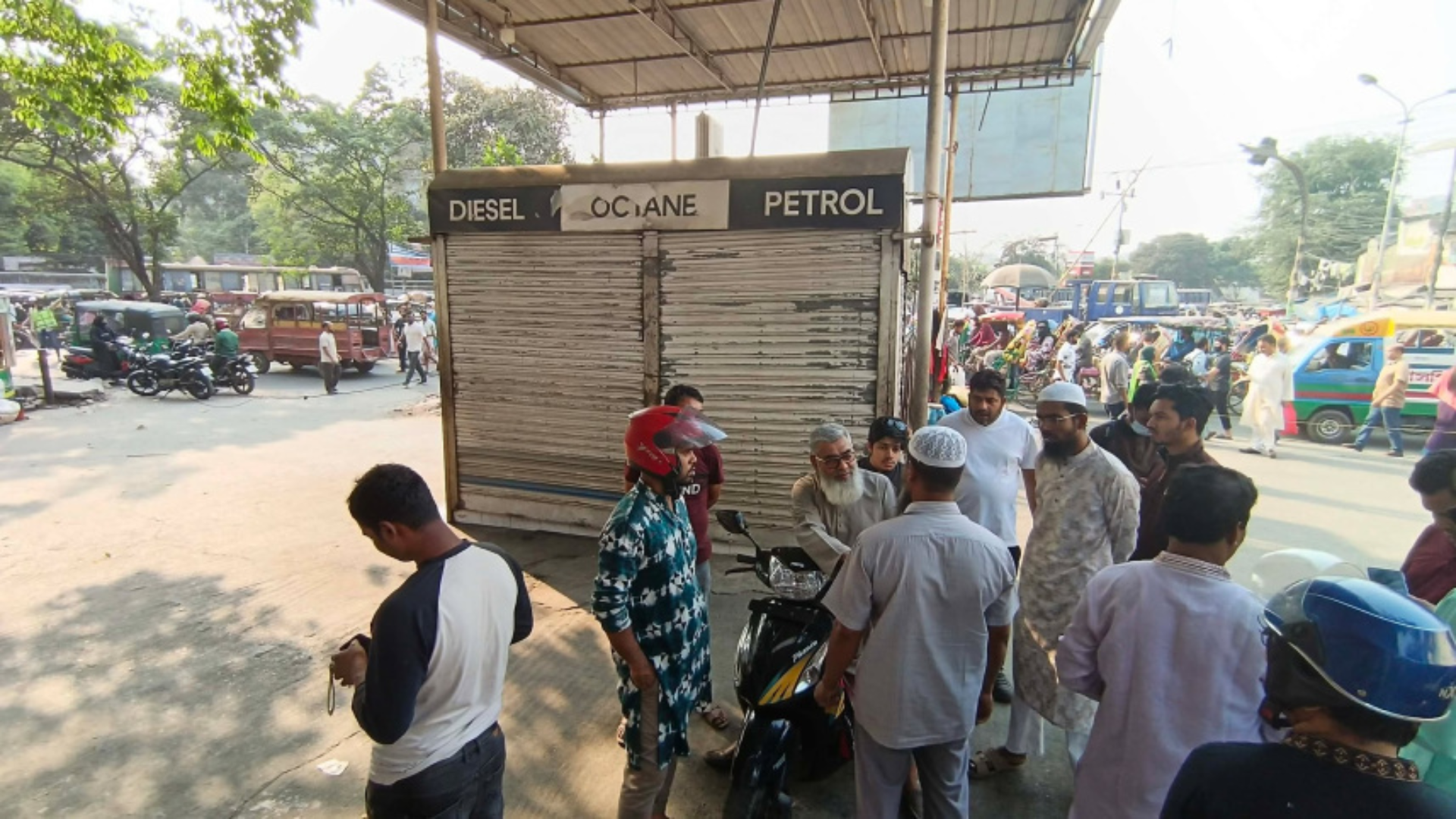
According to the Bangladesh Petroleum Corporation (BPC), the country currently has around two weeks’ supply of petrol and diesel and nearly four weeks’ supply of octane. Additional diesel shipments have already arrived at ports and are awaiting unloading. In other words, while global developments may complicate supply logistics, there is no immediate sign of a collapse in imports. However, panic buying could create the very shortage that people are fearing. On a typical day, Bangladesh sells about 12,000 to 13,000 tonnes of diesel, but in recent days daily sales have reportedly exceeded 20,000 tonnes. This surge appears to be driven not by genuine demand but by stockpiling. To manage the situation, the BPC has imposed a cap on daily fuel sales, which is a welcome measure. The state minister has also assured us that fuel stocks are adequate.
Still, the government must act decisively to manage potential shortages efficiently. Moreover, experts warn that instability in the Middle East is affecting not only the supply of fuel but also of natural gas, a key input for urea production in the country. And rising gas prices in the international market are pushing up fertiliser costs, meaning Bangladesh may soon face higher bills to secure both energy and agricultural inputs. Reportedly, five domestic fertiliser factories have already been shut due to gas shortages.
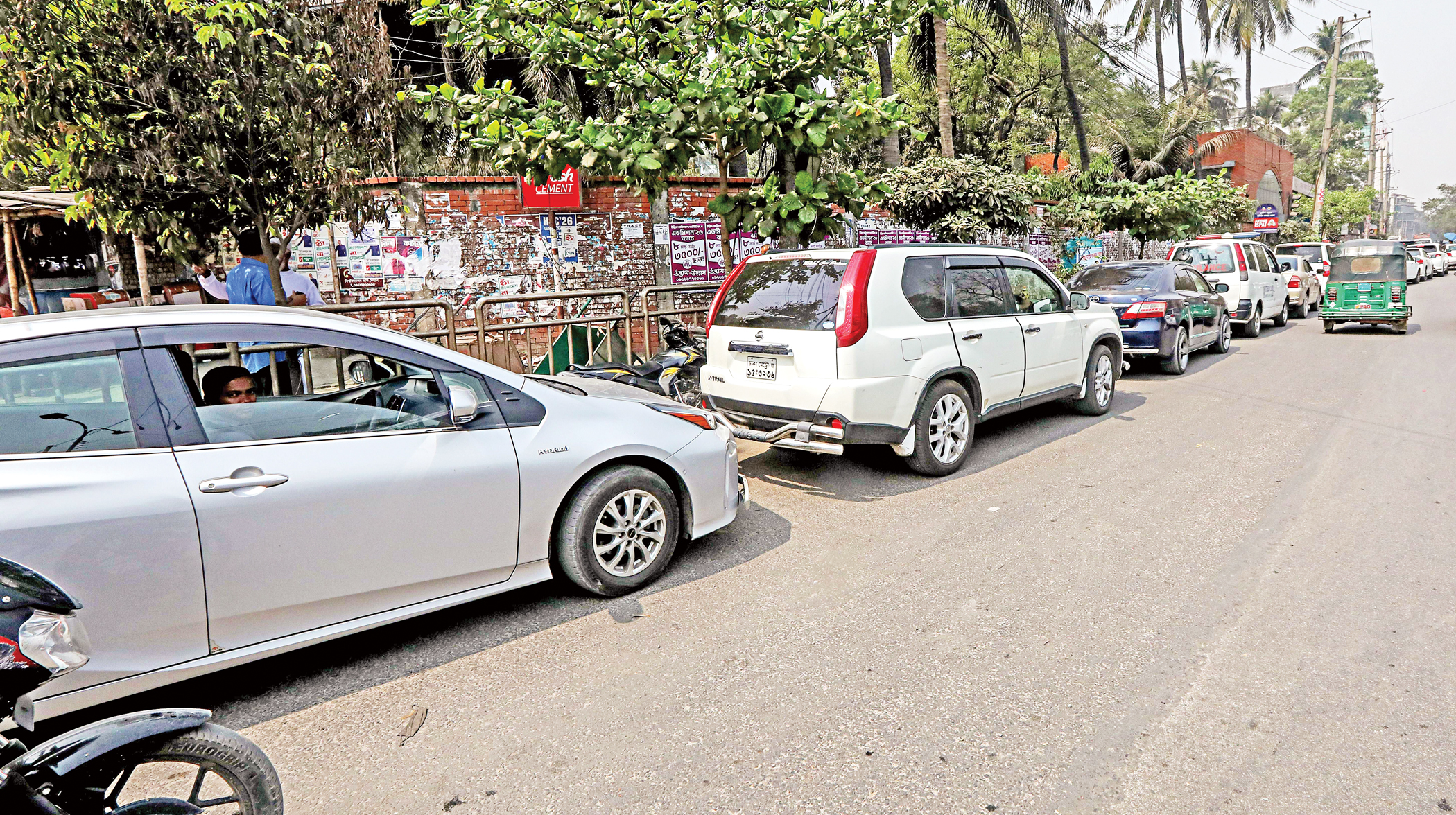
To curb panic buying, the government must communicate clearly and consistently about fuel availability, stock levels, and import schedules so that fears do not give rise to unnecessary anxiety. At the same time, authorities must strictly monitor filling stations and depots to prevent hoarding, black-marketing, and price manipulation. Ensuring fair and orderly fuel distribution is equally important. While restrictions on sales are necessary, they must be implemented in a way that protects the livelihoods of those who depend on fuel for daily income, such as transport workers and ride-sharing drivers. We may still overcome the current global energy turbulence without major disruption, but that will require careful management, collective discipline, and the responsible use of our limited resources.
Comments