


Can cotton diplomacy transform our textile prospects?

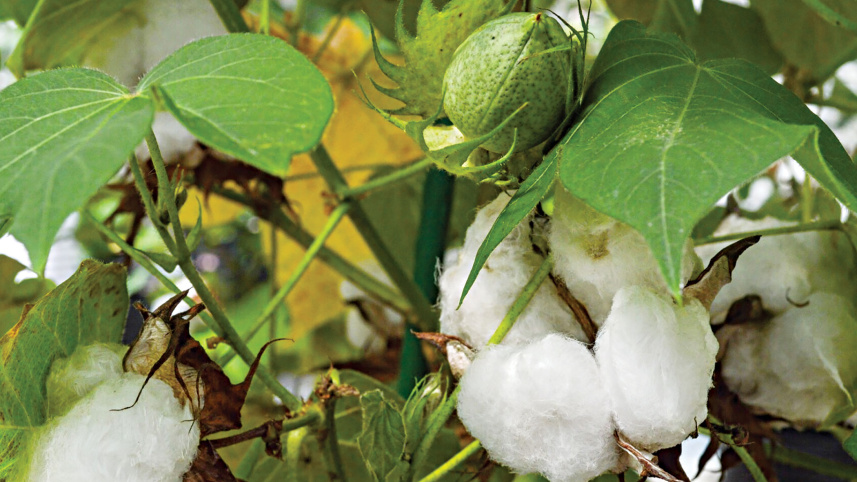
From Eli Whitney’s cotton gin, which transformed American cotton production and fuelled the expansion of slavery, to a cotton-related claim brought to Abraham Lincoln’s attention on the evening of his assassination, the fibre remained deeply intertwined with America’s economic history. Across the Atlantic, Bengal transformed cotton, derived from the Arabic qutn, into the legendary Dhaka muslin, coveted worldwide, before colonial rule hastened its decline. Today, Bangladesh has re-emerged as a global textile powerhouse and remains among the world’s largest cotton importers. From producing its own celebrated cotton textiles to sourcing fibre from across the world, Bangladesh’s evolving textile economy is opening new avenues for trade, innovation, and economic diplomacy.
The emerging relationship with the US illustrates how cotton is becoming more than a raw material. The cotton clause in the Bangladesh-US trade pact links potential preferential tariff treatment for certain Bangladeshi apparel exports to purchases of American cotton and textile inputs. While this creates opportunities for deeper cooperation, its commercial benefits will depend on sourcing costs, eligibility requirements, and implementation. Cotton diplomacy must therefore translate into measurable advantages for manufacturers rather than simply increasing import commitments.

The launch of CottonPort, Bangladesh’s first digital raw-cotton marketplace, marks a tangible step forward. With an initial offering of 82 tonnes of Virginia cotton, the platform seeks to connect American suppliers directly with Bangladeshi spinning mills, improving pricing transparency and traceability. A planned private warehouse in Chattogram could further accelerate deliveries and reduce procurement uncertainty. Together, these initiatives demonstrate how international cooperation can evolve beyond trade agreements into practical improvements in supply-chain efficiency.
Bangladesh’s engagement with Brazil adds another dimension to this emerging cotton diplomacy. Its pursuit of preferential market access for garments made with Brazilian cotton extends the relationship beyond Washington. Such partnerships could transform raw-material procurement into wider export opportunities while preserving diversified sourcing options.
Cotton traceability is becoming increasingly important as global buyers demand greater sourcing transparency. The US restrictions on products linked to forced labour in Xinjiang underscore the importance of verifying fibre origins. Integrating credible traceability systems across spinning, weaving and garment manufacturing could help exporters meet evolving buyer requirements. Cotton diplomacy must therefore extend beyond preferential tariffs to build the transparency, trust, and market confidence essential for long-term competitiveness.
While Bangladesh is strengthening its international cotton partnerships, disagreements over yarn imports continue to challenge its domestic textile industry. The government’s recent decision to suspend the withdrawal of bonded import facilities for 10-30 count cotton yarn followed competing concerns from spinning mills and garment exporters. Domestic millers argue that unrestricted imports undermine local investment and employment, while apparel manufacturers caution that sourcing restrictions could increase costs and weaken export competitiveness. The disagreement underscores the need to strengthen domestic spinning capacity without compromising manufacturers’ access to competitively priced inputs.
Energy reliability presents another challenge that cotton diplomacy alone cannot resolve. Energy shortages have constrained textile production and cotton demand, and the US Department of Agriculture has revised Bangladesh’s cotton import and consumption forecasts downwards. Even favourable sourcing arrangements cannot deliver their full benefits when factories face operational disruptions. Reliable energy, efficient logistics and predictable policies must therefore accompany international partnerships to translate cotton imports into export earnings.
Bangladesh is also rediscovering its agricultural potential. A long-term roadmap targets domestic production of 1.9 million cotton bales annually by 2050, supported by improved varieties, research, financing and cultivation in suitable regions. Although domestic production cannot entirely replace imports, it could diversify supply, support rural livelihoods, and reconnect Bangladesh’s textile industry with its agricultural heritage. Such expansion must remain commercially viable and environmentally responsible, particularly where cotton cultivation competes with food production or limited water resources.
The future of textiles, however, will not be written in cotton alone. According to the International Cotton Advisory Committee (ICAC), synthetic fibres accounted for 71.7 percent of global fibre demand in 2025, underscoring the importance of product diversification. Bangladeshi brand Illiyeen’s development of CottoCool, a cotton-based fabric designed for the country’s climate, illustrates how material innovation can respond to consumer needs. Such initiatives demonstrate opportunities to move beyond conventional apparel manufacturing towards functional fabrics, specialised textiles and higher-value products that strengthen Bangladesh’s competitive position.
Sustainability offers an opportunity to reshape the industry. Advances in cotton recycling and dye-removal technologies could help recover valuable fibres from textile waste, reducing resource consumption and creating new sources of raw materials. Bangladesh’s indigenous jute industry provides an alternative pathway towards diversified materials, blended textiles and higher-value applications. Combining cotton, jute, recycled fibres and man-made materials could help Bangladesh build a more innovative and resilient textile economy while responding to changing global demand and sustainability expectations.
From Lincoln’s America to Bengal’s muslin looms, cotton has long connected economic fortunes with wider historical transformations. Today, Bangladesh stands at another such intersection, linking American and Brazilian cotton fields with domestic farmers, spinning mills, garment factories, and emerging technologies. The opportunity is to ensure that these connections reinforce one another through competitive sourcing, reliable infrastructure, stronger domestic capabilities, and diversified products. On World Cotton Day, Bangladesh can look beyond cotton imports and build stronger partnerships that support its farmers, strengthen its textile industry, and create greater value at home.
Dr Iftekhar Ul Karim is assistant professor at BRAC Business School, BRAC University. He can be reached at
iftekhar.karim@bracu.ac.bd.
Views expressed in this article are the author's own.
Follow The Daily Star Opinion on Facebook for the latest opinions, commentaries, and analyses by experts and professionals. To contribute your article or letter to The Daily Star Opinion, see our guidelines for submission.
 For all latest news, follow The Daily Star's Google News channel.
Comments