


What keeps counterfeit products flowing into our markets?

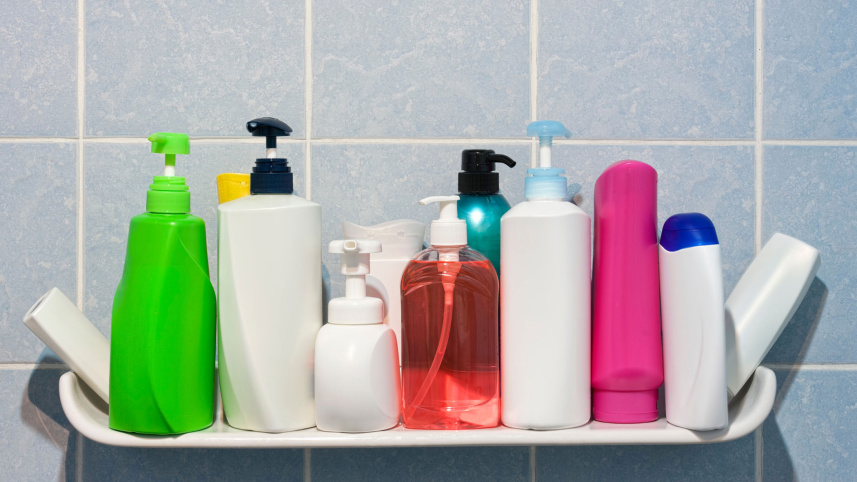
Behind every other product (imported and local) found in Bangladesh’s shops is a fake version. Counterfeiting by infringing trademark law, along with other statutes, is not just a nuisance or a rights violation for brand owners. It is also a serious public health and economic concern.
The extent of the problem is alarming. According to one research report, Bangladesh loses more than $3 billion every year to counterfeiting, as fake products comprise 39 percent of the local market. Personal care products account for nearly a third of counterfeit sales, followed by electrical equipment, clothing, food and beverages, and pharmaceuticals. Customs officials have estimated that as much as 40 percent of the goods circulating in the domestic market could be counterfeit. The numbers should concern anyone who assumes that a product’s label is a reliable guarantee of what is actually inside the packaging.

The human cost becomes much clearer with counterfeit products that carry forged certification from the Bangladesh Standards and Testing Institutions (BSTI). Traders have been caught attaching fake BSTI stickers and holograms on edible oil, powdered milk, bottled water, cosmetics, and electrical goods. These products are often made not in licensed facilities, but in unauthorised factories operating across the country.
The damage goes far beyond fraud, as contaminated counterfeit food and drinks can lead to poisoning and long-term health problems. Fake electrical products often fail to meet basic safety standards, thus causing fire incidents due to short circuits from substandard wiring. Even more concerningly, counterfeit cosmetics have been found to contain substances such as mercury, steroids, and lead, which can cause serious skin reactions and lasting harm, while consumers may have no idea what they are actually using.
In February, a BSTI-led raid uncovered a factory in Dhaka producing counterfeit versions of global products. The goods were destroyed, but no one was arrested because representatives were not at the factory at the time of the raid. Between October and January, 471 mobile court operations led to 428 cases and Tk 2.47 crore in fines, while 23 factories were sealed. The raids continue, but so does the counterfeiting of consumer products.
Bangladesh is legally equipped to tackle counterfeiting. The Trademarks Act, 2009 treats trademark falsification as a criminal offence and provides civil remedies, including injunctions and damages. The courts have applied these in disputes such as Asian Consumer Care (Pvt.) Limited vs Marico Limited (2021), involving the alleged imitation of the Parachute brand.
However, the law has a structural gap, as trademark registration in Bangladesh is not compulsory, and the process to do so can last two to four years. This can leave legitimate brands exposed to counterfeiting for years while they wait for registration. Bangladesh has also not joined the Madrid Protocol, the international system that allows trademarks to be registered across borders through a single application in 115 countries. Without that system, foreign brands have less protection in Bangladesh, while local brands face greater difficulty protecting their trademarks abroad. This gap is due for addressing as the country prepares to graduate from Least Developed Country status and seeks to attract foreign investment and compete in international markets.
Bangladesh also does not have a dedicated authority responsible for regularly checking the market for counterfeit goods, unlike consumer rights or narcotics enforcement. Mostly, actions may be taken only after a formal police complaint is filed, which makes for a reactive model in a fast-moving illicit trade. Enforcement agencies often lack necessary human resources to carry out independent investigations and generally respond when rights holders complain first.
Every seized warehouse may make the news, but seizures alone do not dismantle the supply chains behind counterfeit goods. A network that survives one raid can simply start again under a different name. Meanwhile, Bangladesh continues to lose billions in tax revenue and legitimate sales each year, while ordinary consumers may unknowingly buy products containing heavy metals, be exposed to unsafe electrical wiring, or consume adulterated food carrying names they trust.
Reform does not necessarily imply rewriting the entire trademarks law. What we need is faster or compulsory trademark registration; joining the Madrid Protocol; creating a dedicated authority that can monitor markets and take action on its own; and giving enforcement agencies enough resources to investigate without waiting for a complaint to reach their desks.
Maisha Farjana Anika is a student in the Department of Law at Bangladesh University of Professionals.
Views expressed in this article are the author's own.
Follow The Daily Star Opinion on Facebook for the latest opinions, commentaries, and analyses by experts and professionals. To contribute your article or letter to The Daily Star Opinion, see our guidelines for submission.
 For all latest news, follow The Daily Star's Google News channel.
Comments