


Staying human in the age of AI
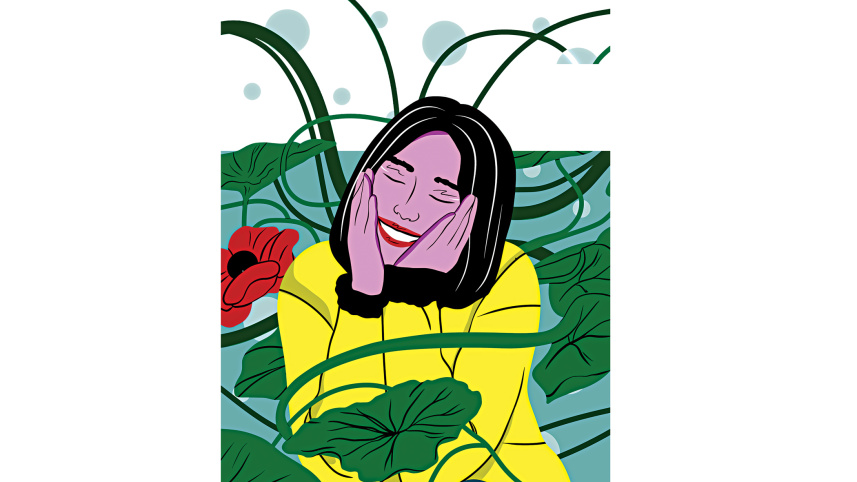
AI has slipped into daily life with a kind of stealth. One moment you are using it to tidy up an email or translate a paragraph, and the next you are letting it outline your presentation, draft your report, suggest your next move, even tell you what you feel. The shift is not just about new software. It is about habits. In a country where young people are under relentless pressure to compete, save time and sound polished, the temptation is obvious: delegate as much as possible, move faster than everyone else, and let the machine take the strain.
But there is a cost to handing over too much. The more we outsource, the more we risk hollowing out the very qualities that make us employable, resilient, and alive to one another. Staying human in the age of AI means knowing when to use the tool and when to step back from it, not out of nostalgia, but because some parts of life only work when we do them ourselves.

There is an easy misunderstanding about AI that makes over-delegation feel harmless. We treat it like a calculator for words, a neutral device that simply speeds up what we already know. Yet many AI systems do more than compute. They generate. They suggest. They complete our thoughts for us, often in a tone that sounds confident and coherent. That can create the illusion of competence even when the underlying thinking is thin. If we accept that illusion too often, we begin to live in a world where sounding right matters more than being right, and where the first draft becomes the final one.
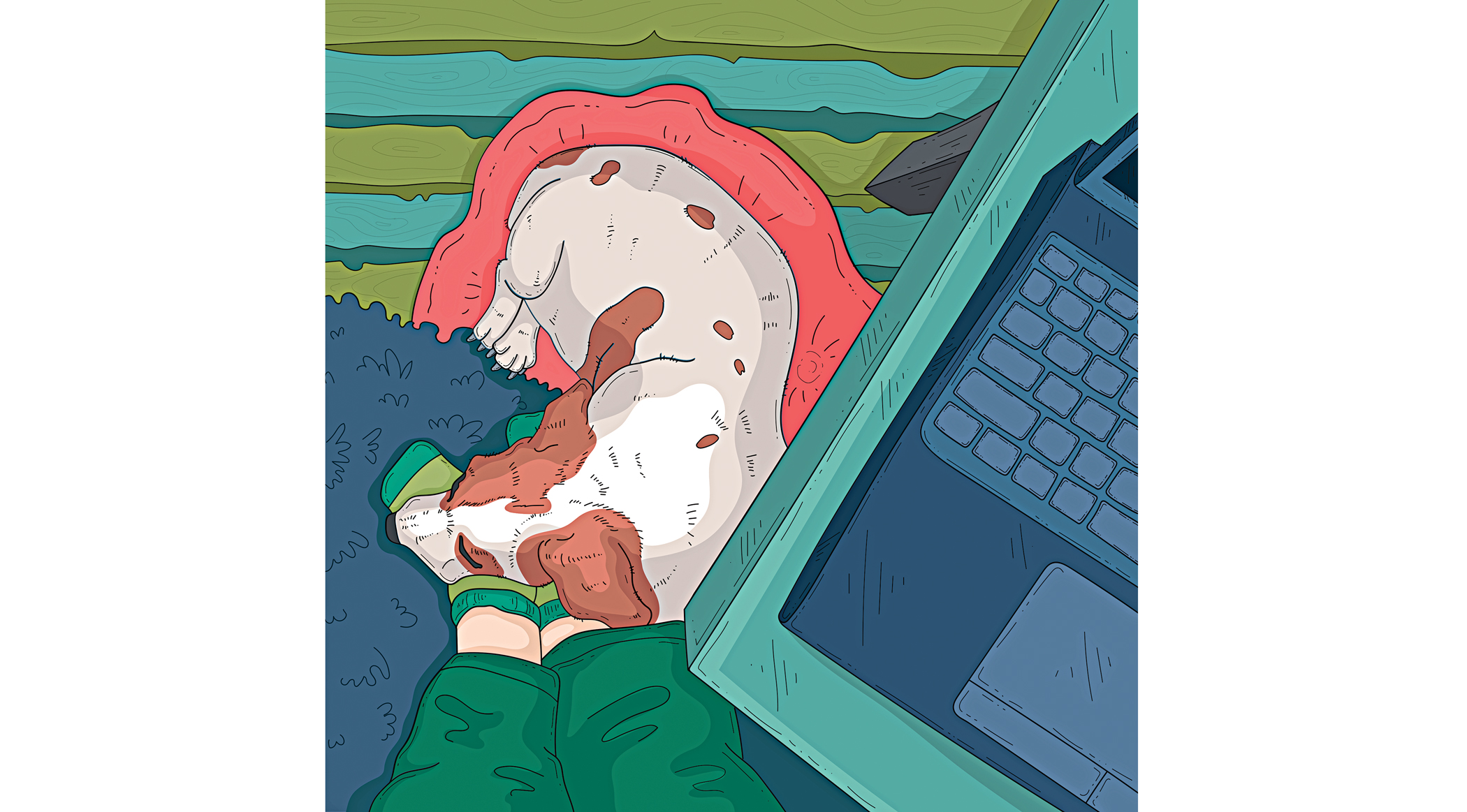
Image: Giingerann/ Unsplash
The first thing we lose is the muscle of judgement. Writing a message, shaping an argument, or making a decision is not only about producing an output. It is about weighing what matters, anticipating how it will land, and taking responsibility for the consequences. When you let AI do the heavy lifting every time, you may still get something workable on the page, but you gradually weaken the inner sense that tells you what is true, what is fair, what is missing, and what does not sound like you. That sense is slow to build and easy to erode.
There is also a practical risk: dependency makes people fragile. AI tools can be wrong, inconsistent, or strangely generic. They can flatten nuance, misunderstand context, and reproduce patterns that are common rather than correct. If you have not practised doing the work yourself, you cannot reliably catch the errors. You also struggle when the stakes rise: when a client challenges a claim, when an interviewer asks you to explain your reasoning, when you have to negotiate, persuade, or improvise in real time. In those moments, there is no prompt that can replace a well-trained mind.
The second thing we lose is originality. Not in the grand sense of artistic genius, but in the everyday sense that your work carries a trace of your experience: your curiosity, your humour, your way of seeing. AI can imitate styles and remix familiar patterns, which is exactly why it can be useful for routine tasks. But if you let it write everything, you end up speaking in borrowed rhythms. You become less memorable. You become easier to replace.
This is where the so-called “human touch” becomes more than a sentimental phrase. In competitive workplaces and crowded markets, the human touch is often the differentiator.
It is the ability to listen properly to what someone is asking, to sense what they are not saying, to respond in a way that makes them feel understood rather than processed. It is empathy, timing, judgement, tact. It is also taste: knowing what to leave out, when to simplify, when to insist on complexity, when to be firm, when to be kind. AI can help with drafts and options, but it cannot fully replace the lived intelligence that comes from being in the world, paying attention, and caring about consequences.
In Bangladesh, this matters because so much opportunity depends on relationships. Whether you are pitching a client, working in a team, running a small business, freelancing online, or building a startup, trust is the currency. Trust grows through consistency and human presence. It grows when you show up, reply thoughtfully, keep your word, and treat people as people. If AI encourages a culture of shortcuts where every message is a template and every interaction is optimised for speed, trust becomes harder to earn. You might respond faster, but you can sound less real.
The deeper danger is that over-delegation does not stop at work. It creeps into the personal. When people use AI to avoid awkward conversations, to manage emotions, to write apologies, to craft romantic messages, to mediate conflicts, they may feel relief in the moment. But avoidance has a price. Relationships are not built through perfect phrasing. They are built through vulnerability, patience, and the willingness to sit with discomfort. If you outsource the difficult parts of being with other people, you do not develop the skills that make intimacy possible.
That is why social skills are not a soft extra in the age of AI. They are a survival skill. As machines get better at routine cognitive output, what remains valuable is what machines cannot do in the same way: build rapport, read a room, resolve conflict, motivate a team, mentor someone younger, earn a customer’s loyalty, handle criticism without collapsing, and communicate under pressure. These skills have always mattered. Now they matter more, because they are harder to automate and because they protect us from turning ourselves into something machine-like.
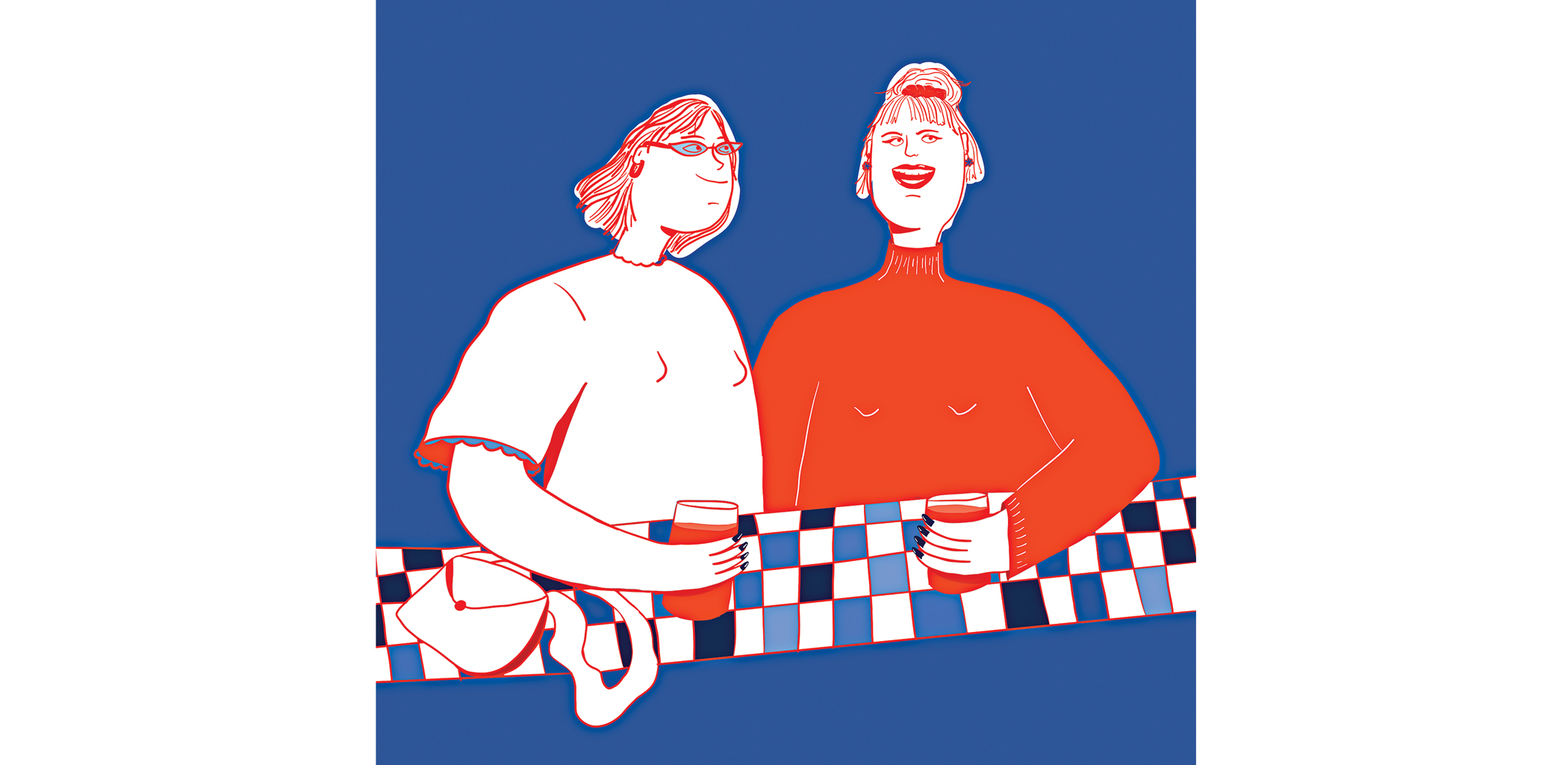
Image: Michaelle Daoust/ Unsplash
The irony is that technology often makes social skills feel optional. When you can text instead of call, when you can order without speaking, when you can work remotely and never meet your colleagues, you can go through days with minimal human friction. AI takes this further by offering a substitute for interaction: an entity that always responds, never gets tired, and rarely pushes back. If we are not careful, we start to prefer that frictionless exchange to real relationships, which are messy and demanding. Over time, the preference becomes a habit, and the habit becomes a way of life.
This is how we risk mechanising ourselves. Not because machines become human, but because humans begin to adopt the machine’s logic. We optimise everything. We minimise effort. We reduce conversation to transactions. We treat people as obstacles or opportunities, not as complex beings. We choose the easiest route rather than the most meaningful one. When enough individuals do this, society becomes colder. Loneliness rises. Trust falls. Even success feels strangely thin.
Staying human, then, is partly a matter of deliberate resistance. It means choosing, again and again, to practise what AI makes easy to avoid.
 For all latest news, follow The Daily Star's Google News channel.
 It means writing sometimes without assistance, so you can hear your own voice and strengthen your ability to think through language. It means doing mental work slowly enough to understand it, rather than producing answers quickly enough to move on. It means reading deeply rather than skimming summaries, because attention is a form of respect, and because complex problems cannot be solved with shallow understanding.
It also means making extra efforts to protect human-to-human connection in a world that quietly erodes it. Call a friend instead of sending a perfectly composed message. Sit with someone in person even when it is inconvenient. Ask questions you cannot outsource. Listen without planning your next reply. Join communities that are not about productivity: sports clubs, volunteer groups, study circles, cultural events, neighbourhood networks. These are not distractions from the future. They are part of what makes any future worth living in.
For young people especially, there is a temptation to treat social skills as secondary to technical skills. Learn the tools, build the portfolio, collect the certificates, and the rest will follow. But the person who thrives in an AI-shaped economy will often be the one who can combine competence with connection. The future belongs to people who can use machines without becoming machine-like: who can collaborate across differences, communicate clearly, negotiate fairly, and keep a sense of purpose bigger than optimisation.
None of this requires rejecting AI. It requires putting it in its place. AI is best understood as an amplifier. Used wisely, it can amplify your learning, your productivity, your creativity. Used carelessly, it amplifies your laziness, your dependence, your isolation. The difference is not the tool. It is the human using it.
The point of staying human is not to prove you can do everything the hard way. It is to protect what only humans can do well: meaning-making, moral judgement, genuine care, solidarity, courage. These are not romantic ideals. They are practical advantages in a volatile world. They help people adapt, recover, cooperate, and build institutions that last.
In the coming years, Bangladesh’s young people will be told, repeatedly, that the future belongs to those who embrace AI. That is true, in a narrow sense. But the broader truth is that the future belongs to those who embrace people. The real challenge is not learning to prompt a machine. It is learning to remain fully human while you do.
Nadia Jahan is a development communications professional based out of Dhaka.
Comments