


Maheen Khan showcases muslin on the London Runway
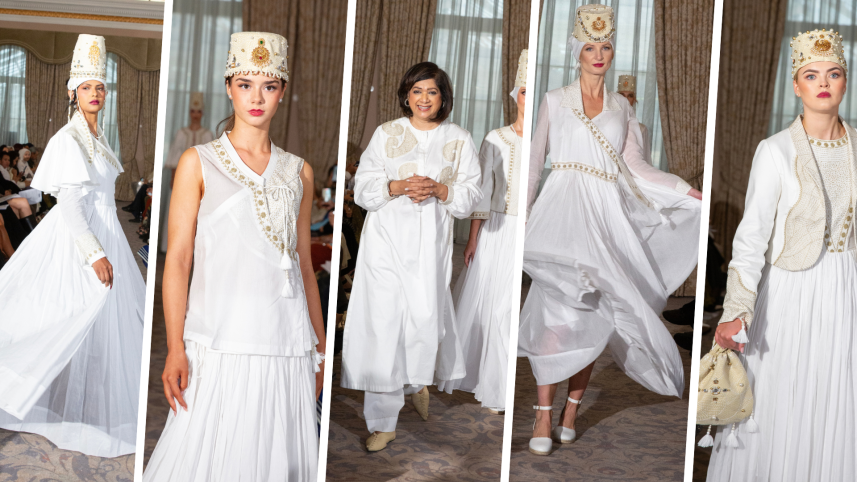
Sufi poets once described Bengal’s finest fabric, muslin, as “woven air”, so precious it was accessible only to royalty. Centuries later, that ethereal quality found new expression on the runway, where designer Maheen Khan presented her Spring/Summer 2027 Sufi Collection at London Fashion Week, transforming this delicate textile heritage and spiritual traditions into contemporary fashion.
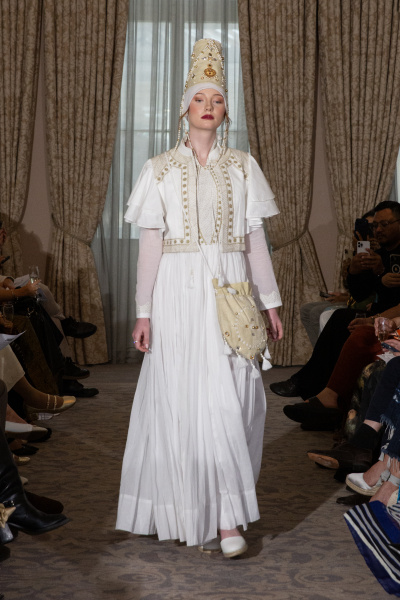
Khan introduces a collection rooted in cultural memory and timeless design. Centred on muslin, also known in Persian as Mul Mul Khaas, the collection pays homage to classic silhouettes, understated elegance, and cultural significance while honouring the irreplaceable human touch of local artisans.

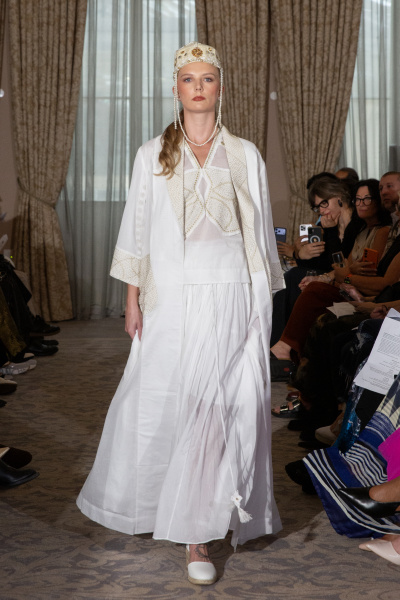
"Rather than using heavy wool fabrics or stiff silks that are unsuitable for a tropical climate, the collection focuses on breathable and wearable attire," Khan describes. "We created flowing tunics and long robes, known as quba or Tartaric gowns, reminiscent of the attire worn by rulers and courtiers during the sultanate period," she added.
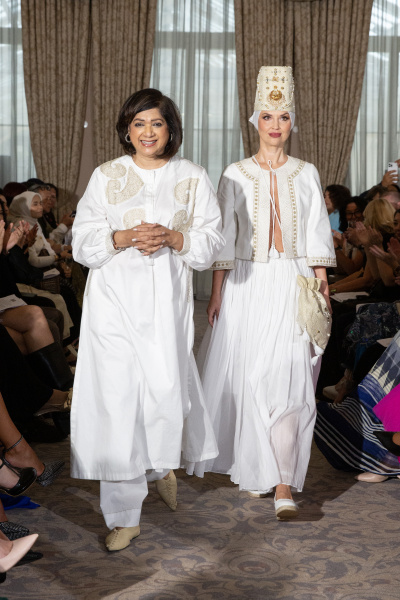
When asked about what actually makes these centuries-old textiles relevant to a fashion audience in 2026–27, Khan replies without missing a beat.
“Now is the time to work on conscious, green fashion, with zero carbon footprint. This collection is responsibly made with sustainable hand-woven materials, and that is exactly what makes it stand out,” she says.
The collection also emphasises a well-known medieval Sufi philosophy. Unadorned white cotton was regarded as a fabric that symbolised humility, spiritual purity, and egalitarianism. During that time, upper-class men and women typically wore clean white cotton shirts or tunics, complemented by low leather shoes stitched with gold thread.
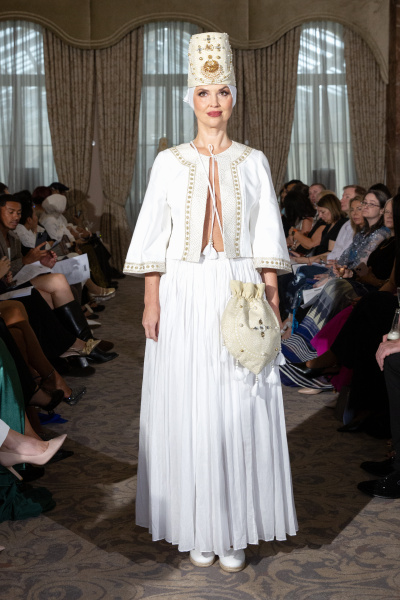
One of the most intriguing aspects of the collection was the headgear that was featured.
“Nur Jahan, the only empress of the Mughal Empire, wore tall hats similar to those we used. This pays tribute to her courage and grace,” elaborates Maheen Khan.
As a fashion designer, Khan faced a major hurdle while working with ultra-fine, sheer, and transparent textiles. She had to ensure that the fabric was pristine and handled delicately throughout all stages of the design process.
According to her, London directly benefited economically from Bengal's deindustrialisation. Showcasing Dhaka muslin in Britain reframes colonial history, shifting the narrative from "British industrial progress" to recognising the destruction of an unparalleled indigenous craft.
"London loves authenticity more than anything, and our work was very authentic,” she shares, while remembering how it felt to showcase Bangladeshi heritage on the global stage.
Although Khan has worked in the fashion industry for decades, she remains surprised by the dedication of the weavers and the craftsmanship of women. She expresses her genuine enthusiasm about the future.
“I feel not enough is invested in this sector,” she sighs. “We should definitely educate our consumers and new fashion designers about the prospects in couture.”
As the lights dimmed at the London showcase, the core argument that remained was that a fabric once valued like gemstones can make a comeback through the efforts of those who refuse to let it fade into obscurity. And showcasing them in London demonstrates that Bangladeshi heritage weaves are not just relics of the past, but powerful, sustainable luxury textiles for the modern global fashion industry.
Photo: Courtesy
 For all latest news, follow The Daily Star's Google News channel.
Comments