


Stopped at the Gate: Why independent women are still fighting to travel

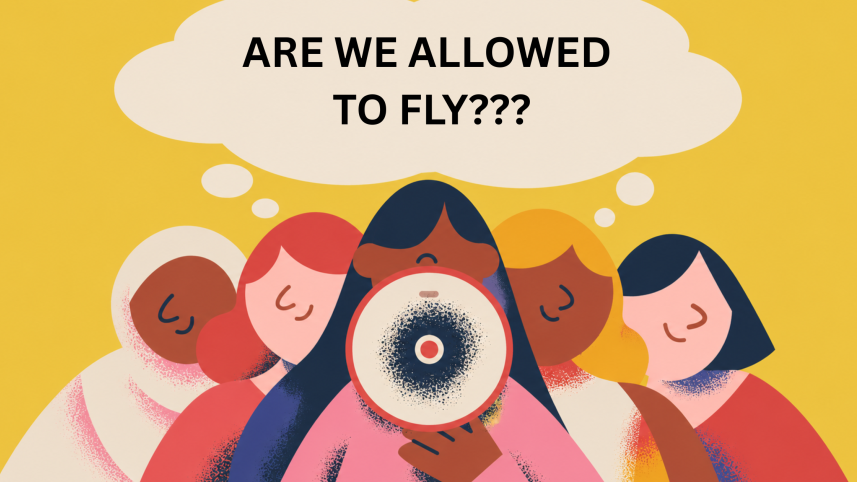
When three professional mediators were barred from boarding a flight to Nepal simply for being unmarried, it exposed a painful truth. For many women, the toughest part of a journey isn't packing a bag; it's proving you have permission to leave.
Before a trip comes the usual arithmetic, for a woman travelling without family there may be another discussion waiting before any of this: who has agreed to let her go? That last question deserves a little discomfort. An adult arranging a journey should be able to discuss it with her family without having to establish that she is allowed to make the decision.

The reported experience of three women at Hazrat Shahjalal International Airport brings that discomfort into public view. Rifa Tamanna, Sohani Islam Samapti and Naznin were stopped from travelling to Nepal on 8 August. According to their lawyer, Ishrat Hasan, they had the required documents and were going to attend a conference as mediators associated with the Bangladesh International Mediation Society. They allege that immigration officials stopped them because they were unmarried and travelling without parents or guardians.
On 29 September, the High Court questioned the legality of the obstruction and directed authorities not to prevent their future travel without a lawful basis. The allegations remain subject to the court process.
These were adults with a purpose for travelling. Yet, according to their account, the conversation became about marriage and family permission. Somewhere between preparing for a professional engagement and reaching the departure gate, they were required to explain something that had little to do with the conference.
There is an uncomfortable familiarity here. Think of a household where a daughter can be trusted to contribute towards expenses, manage a parent's medical appointments and handle a difficult day at work. Then she mentions a trip with friends, and the discussion returns to whether she can manage without someone accompanying her.
Responsibility has already been handed to her. Trust apparently needs another meeting.
Of course, concern does not automatically amount to control. Anyone who has waited for a loved one's message after a late journey knows that worry is not always reasonable, or easily switched off. Women also have safety concerns that deserve to be taken seriously. Asking about accommodation, transport or an emergency contact can be useful.
But a useful concern leaves room for an answer. If the arrangements are sensible and the woman understands them, there should be a point at which the conversation ends. Otherwise, safety becomes a condition she can never quite satisfy.
And what exactly does marriage resolve? A husband accompanying someone does not establish her ability to navigate an airport, understand a booking or make a sound decision. An unmarried woman may have years of experience doing all three. Her marital status tells us very little about her preparedness.
Families in Bangladesh differ, often considerably, in how they approach these decisions. Some encourage daughters to travel independently; others negotiate every detail. Those conversations can be difficult enough within a home. At an immigration counter, an official has the power to stop a journey. Personal assumptions carry consequences there that a traveller cannot simply walk away from.
According to the women's lawyer, being stopped cost them money on tickets and bookings. A missed professional trip also raises questions about the opportunities lost. For anyone preparing a similar journey, the uncertainty is troubling: how do you plan properly if having the required documents may still leave you answering questions about who permitted you to leave?
A woman may choose to travel with her parents, her husband, her friends or by herself. She may consult everyone at home before booking. That can be part of affection, habit or shared planning. It should remain her choice.
By the time she reaches immigration, she should be able to answer for her own journey.
 For all latest news, follow The Daily Star's Google News channel.
Comments