


How National Youth Wellness Festival created a space for youth wellbeing
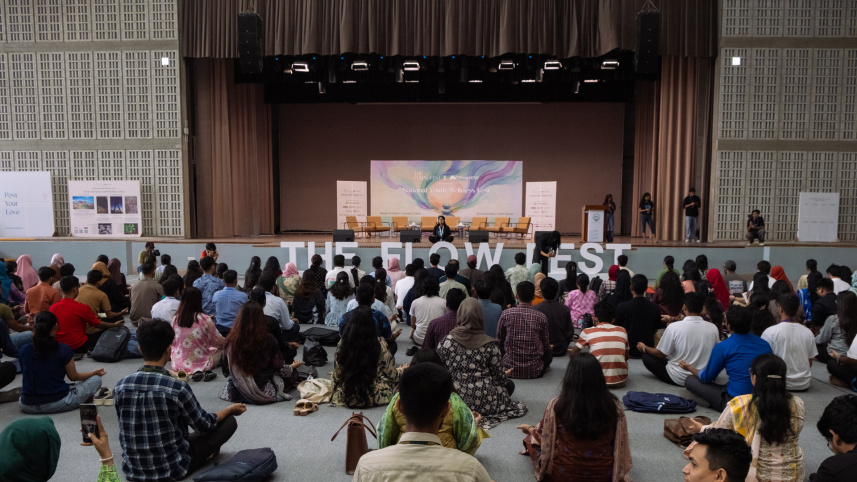
Youth events often promise inspiration. Fewer offer young people a space to slow down, pay attention to themselves, and leave with something practical. That is what made the National Youth Wellness Festival, held on 22 and 23 April at BRAC University’s multipurpose hall, feel more substantial than a typical campus programme.
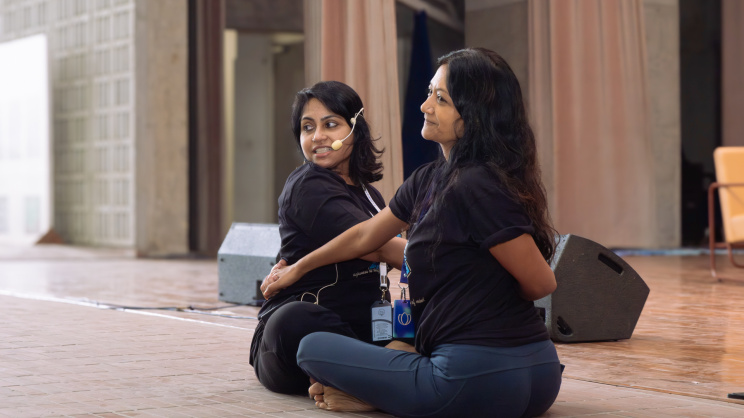

Organised by The Flow Fest, in partnership with Prime Bank’s Prime NOW, the festival brought together students from 10 universities between 10 AM and 2 PM each day. Its theme, “You Be You: Find Your Flow,” was broad enough to sound familiar, but the event itself was built around something more specific: giving young people direct access to tools for emotional balance, self-expression, and routine building.
Its programme included yoga, meditation, dance, art sessions, music, and guided wellness workshops. These were not decorative additions around a formal discussion. They were the central method. Instead of explaining well-being only through theory, the festival gave participants ways to experience it physically, creatively, and socially.
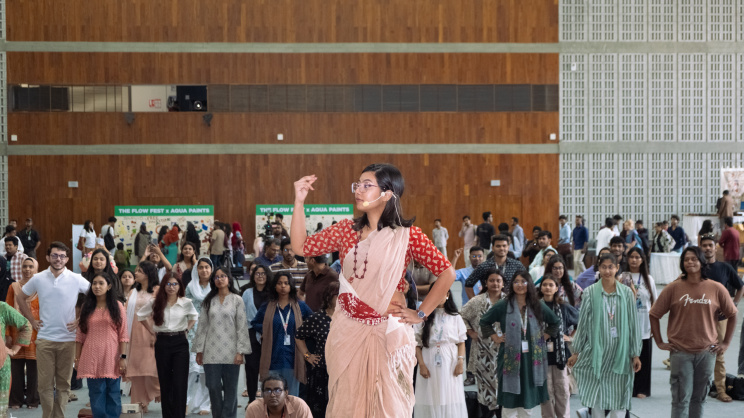
That was especially visible in the movement sessions. Arthy Ahmed, dance teacher, activist, and recipient of the Ekushey Padak 2026, described the atmosphere as something collaborative rather than instructional.
“The students brought such openness, curiosity, and vibrant energy into the space that it became a shared experience rather than just a session,” she said. “It felt less like teaching and more like co-creating a moment of rhythm, expression, and connection.” For Ahmed, festivals like this are not just cultural gatherings. She sees them as “powerful platforms for exchange, where art, movement, and ideas come together to inspire confidence and a sense of community.”
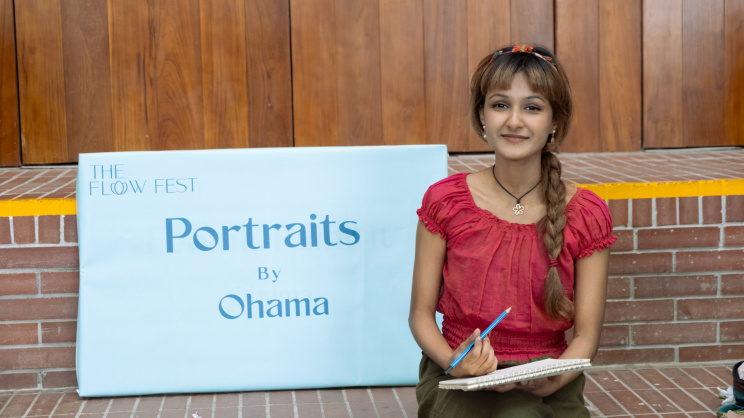
That idea of confidence also surfaced in the visual arts segment. Artist Ohama, who led a portrait drawing workshop, spoke about creativity not as a talent reserved for a few, but as something that can be unlocked through participation.
“This workshop is not just about teaching somebody how to draw a portrait,” she explained. “It also boosts their confidence. When people come together and draw together, they realise, ‘Oh, I can do this too. I didn’t know that before.’ That is a wonderful feeling as a teacher.” Her point was simple but important. For many young people, the first barrier is not skill but self-doubt.
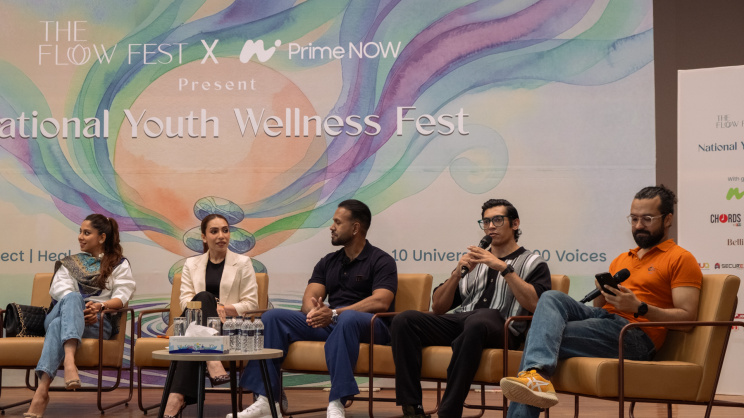
The festival also addressed another issue that shapes youth wellbeing more quietly: the absence of structure. Dr Rayhan Shahidullah used his session to talk about how many young people move through life reactively, without a workable routine. His advice was not to impose rigid discipline, but to create what he called a flexible, smart structure.
“We often live very randomly and make decisions on the spot,” he said. “But what we need is a rough structure for our day. We should know when we will study, when we will work, when we will eat, and when we will sleep. Time management is at the core of staying consistent in daily life.” In a culture where burnout is often worn like proof of ambition, that message felt especially relevant.
The festival also extended its emotional vocabulary beyond sessions and workshops through a photography contest titled “Stop Hiding Your Feelings. Express. Share. Heal.” The wording may sound simple, but it pointed to a real problem. Many young people still struggle to speak openly about emotional difficulty, especially in public or academic settings. Art, movement, and routine offered alternative routes into that conversation.
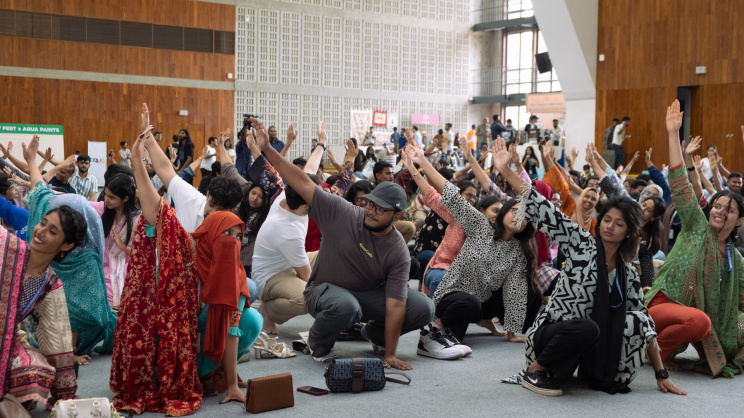
What made the National Youth Wellness Festival notable, then, was not just its scale but its format. It suggested that youth wellbeing cannot be built through slogans alone. It needs spaces where people can move, create, reflect, and learn habits they can actually use after the event ends.
For two days, BRAC University became one such space. And in a country where young people are often told to keep going without being shown how to stay steady, that mattered.
Photo: Silvia Mahjabin
 For all latest news, follow The Daily Star's Google News channel.
Comments