


Energy crisis: Global problem, local failure

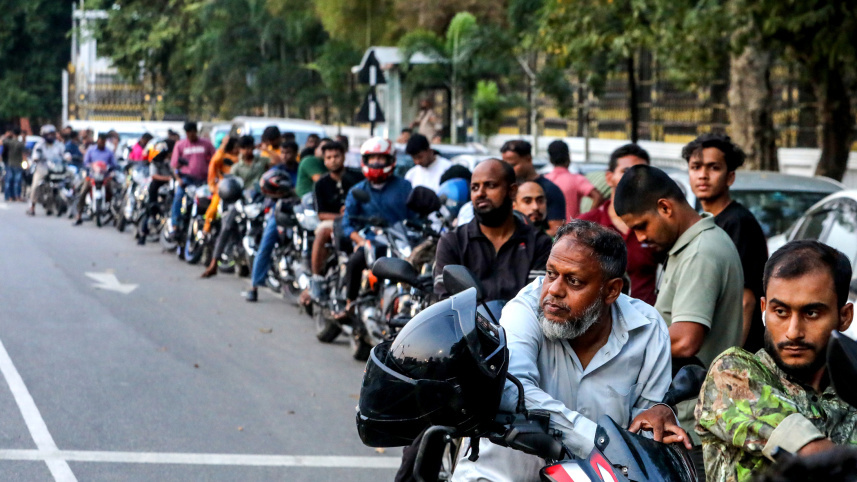
More than a month and a half has passed since the Middle East war began to affect Bangladesh’s energy sector. During this period, although the BNP government managed to import fuel oil and LNG from various sources, it has failed to ensure discipline in the distribution process across the country.
As a result, on the one hand, the government claims that there is sufficient stock, news reports highlight the arrival of successive fuel shipments, and there are accounts of Bangladesh Petroleum Corporation (BPC) depots overflowing with fuel. On the other hand, consumers’ suffering shows no sign of easing. Long queues of motorcycles and private cars can be seen at filling stations. Public transport operations have declined due to diesel shortages. Farmers and fishermen are not getting enough diesel to meet their needs. Consequently, farmers are unable to irrigate their fields on time, and fishermen cannot go to rivers or the sea for fishing.

This means the fuel held by the government is not reaching people at the pumps. The government is failing to manage the fuel supply chain properly. A group is creating artificial scarcity and selling fuel at higher prices elsewhere, while ordinary people are deprived of access.
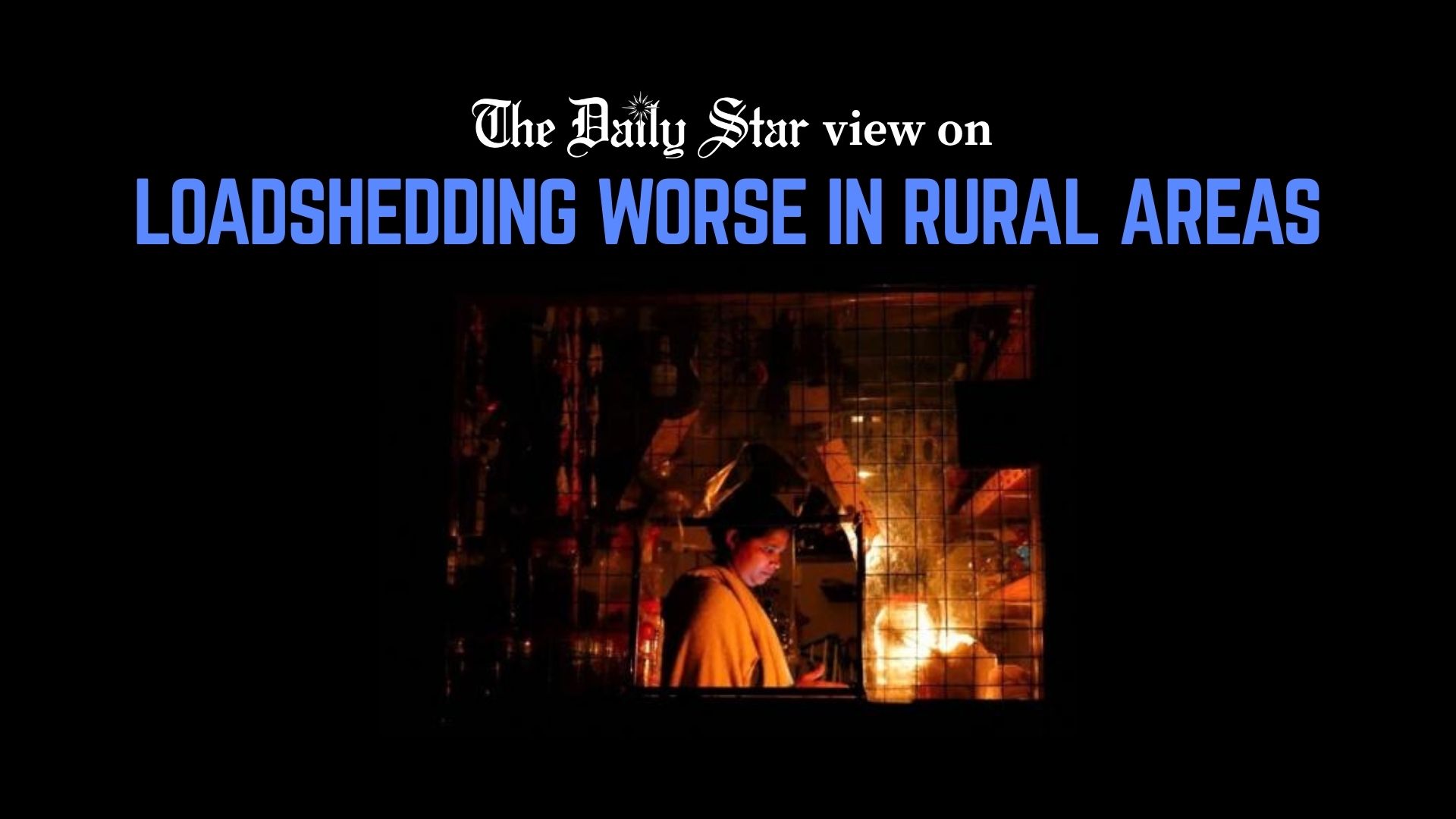
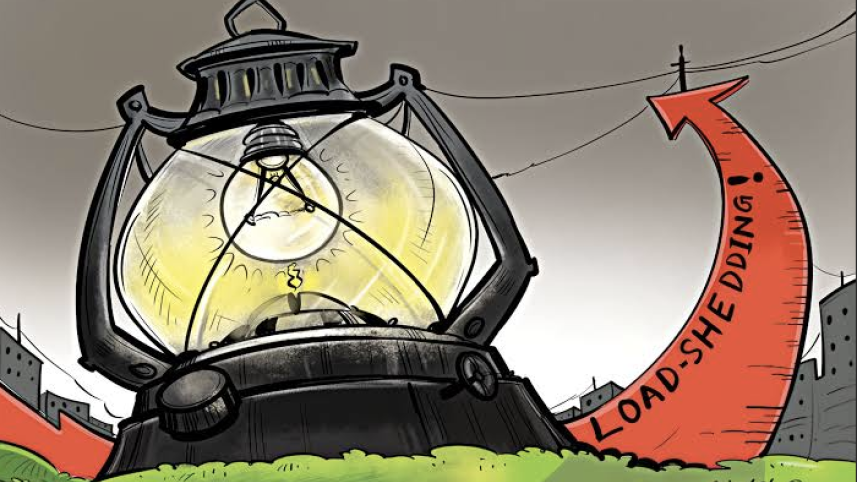
Meanwhile, electricity generation has also declined due to the energy crisis. Against a demand exceeding 16,000 megawatts, production stands at 13,000 to 14,000 megawatts. As a result, more than 2,000 megawatts of load shedding is being imposed daily, most of which is borne by rural populations. While load shedding is relatively lower in Dhaka and other cities, rural areas are experiencing 7–8 hours of outages.
Although the government had initially pledged not to raise fuel prices following the outbreak of war in the Middle East, it has recently done so for all types of fuel. Diesel prices have increased by 15 percent from Tk 100 to Tk 115, the highest in the country’s history. Prices of other fuels have also reached record levels: octane has risen from Tk 120 to Tk 140, petrol from Tk 116 to Tk 135, and kerosene from Tk 112 to Tk 130.
According to economic principles, the demand for essential goods such as food, medicine, or fuel does not decrease even when prices rise, because they are necessary for survival. For example, life-saving medicines such as insulin have no substitutes; patients are compelled to purchase them regardless of price increases. In economic terms, the price elasticity of demand for essential goods is typically very low—this is known as inelastic demand. Since demand does not fall, hoarding persists even when prices increase. In fact, hoarders may intensify stockpiling in anticipation of selling at even higher prices. Therefore, increasing the price of such essential goods does not reduce shortages unless supply is increased; rather, it fuels inflation.
The same phenomenon is evident following the recent fuel price hike. Even before the increase, transport fares for goods carriers had risen due to the fuel crisis. After the price hike on April 18, fares have increased further. While diesel prices rose by 15 percent, field-level data indicate that truck and covered van fares have increased by up to 35 percent. In addition to higher transport costs, there is also a shortage of vehicles. As a result, the cost of transporting agricultural produce—including grains, vegetables, raw materials, seasonal fruits, and processed foods—has increased. Not only agricultural goods, but also the cost of transporting industrial goods for import and export has risen. Diesel is also used in agricultural machinery, irrigation, electricity generation, and industry. Consequently, the cost of all goods and services, including agriculture and industry, will increase. While BPC may earn an additional Tk 700–800 crore per month due to the fuel price hike, the resulting increase in transport costs, commodity prices, and overall cost of living will amount to several thousand crore taka.
However, BPC is not a loss-making entity. It could have continued operations for several more months without raising prices by utilising the funds accumulated from past profits. Over the past 11 years, BPC has earned approximately Tk 52,000 crore in profit—an annual average of around Tk 4,500 crore. Employees have received substantial bonuses from these profits. This raises the question of whether BPC is behaving like a hoarder. Notably, following the price increase, BPC announced a 10-20 percent increase in supply.
Moreover, the government earns substantial revenue from BPC each year through duties and taxes—over Tk 125,000 crore in the past 11 years. In other words, when global oil prices were low, both BPC and the government benefited, but during times of crisis, the burden is shifted onto the public. The government has cited examples of fuel price increases in other countries. However, in those countries, consumers benefit when international prices fall; unlike Bangladesh, where prices remain high to ensure profit. The pricing formula used in Bangladesh is flawed as it incorporates VAT, taxes, and profit margins, ensuring that BPC makes a profit regardless of the price.
Therefore, the government should withdraw the price hike. The substantial profits previously earned by BPC should be used to create an emergency fund, which can be utilised to subsidise prices during crises. Rather than increasing prices, the solution to the fuel crisis lies in establishing discipline in the supply system. Fuel must be supplied to pumps according to demand. All pumps should remain open simultaneously, and fuel availability must be ensured. In urban areas, digital fuel pass systems should be rolled out to ensure transparent sales, preventing individuals from purchasing fuel more than once within a specified period. Records of fuel sales should be maintained at the pump level and audited to find irregularities. In rural areas, especially for farmers and fishermen, fuel distribution should be managed through manual fuel cards. Local government institutions and the Department of Agricultural Extension should be involved in this process.
While the global energy crisis lies beyond the government’s control, its failure to manage the domestic distribution of expensive imported fuel is not. Without addressing this failure, price hikes will only deepen public suffering.
Kallol Mustafa is an engineer and writer who focuses on power, energy, environment, and development economics. He can be reached at kallol_mustafa@yahoo.com.
Views expressed in this article are the author's own.
Follow The Daily Star Opinion on Facebook for the latest opinions, commentaries, and analyses by experts and professionals. To contribute your article or letter to The Daily Star Opinion, see our guidelines for submission.
 For all latest news, follow The Daily Star's Google News channel.
Comments