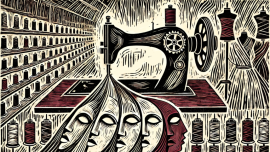
Rana Plaza’s haunting echo: What has changed and what must change

Some losses are irreparable. Some wounds, whether physical or mental, linger as unbearable memories, nightmares, and fear. Life is precious and invaluable to everyone, whether born in a hut or a palace. All share the desire to dream, to love, to be with loved ones, and to experience life fully. When life is lost or permanently scarred, its value cannot be measured in crores of taka or millions of dollars. Such loss, and the pain it leaves behind, are beyond comparison.
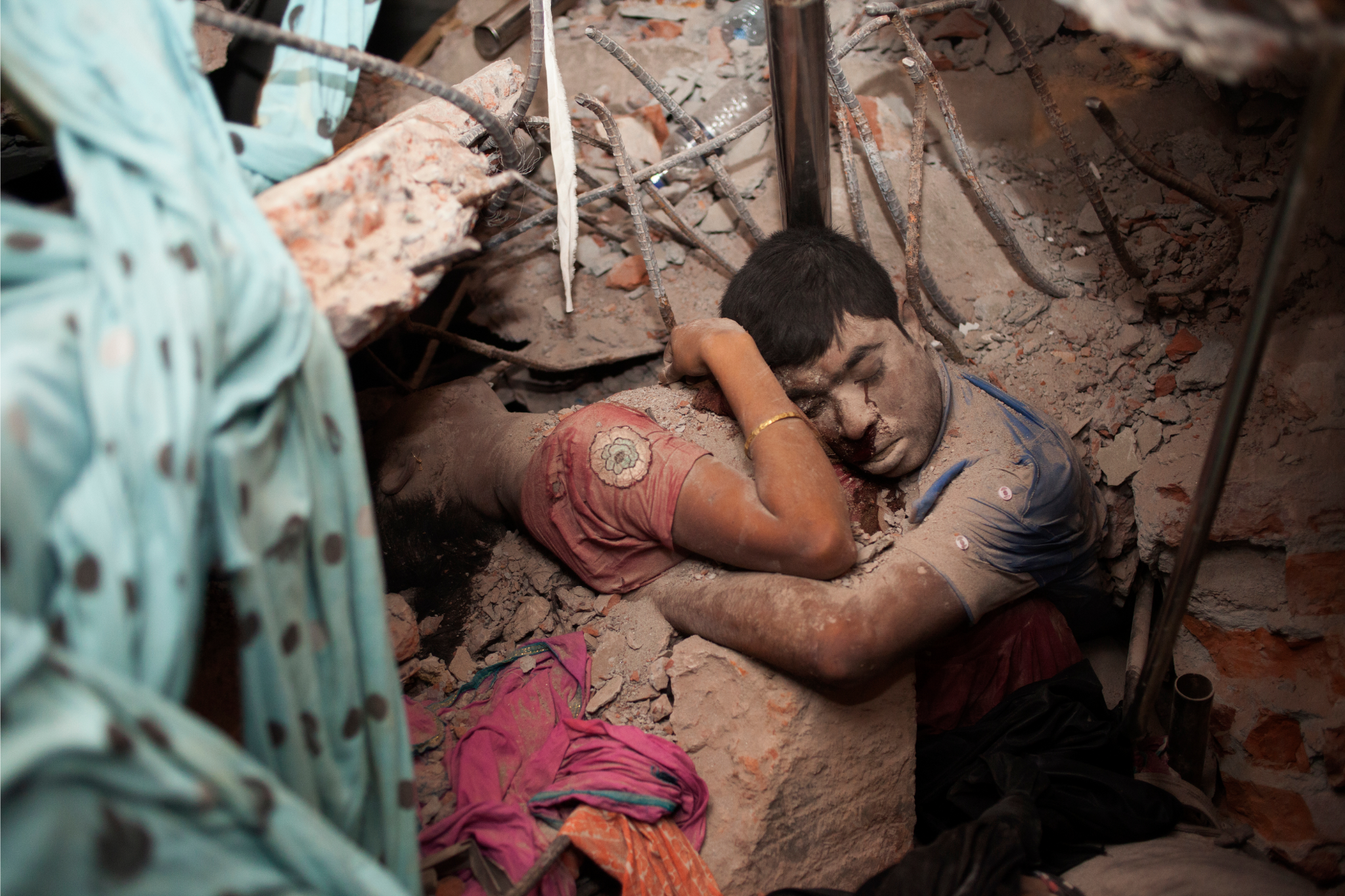
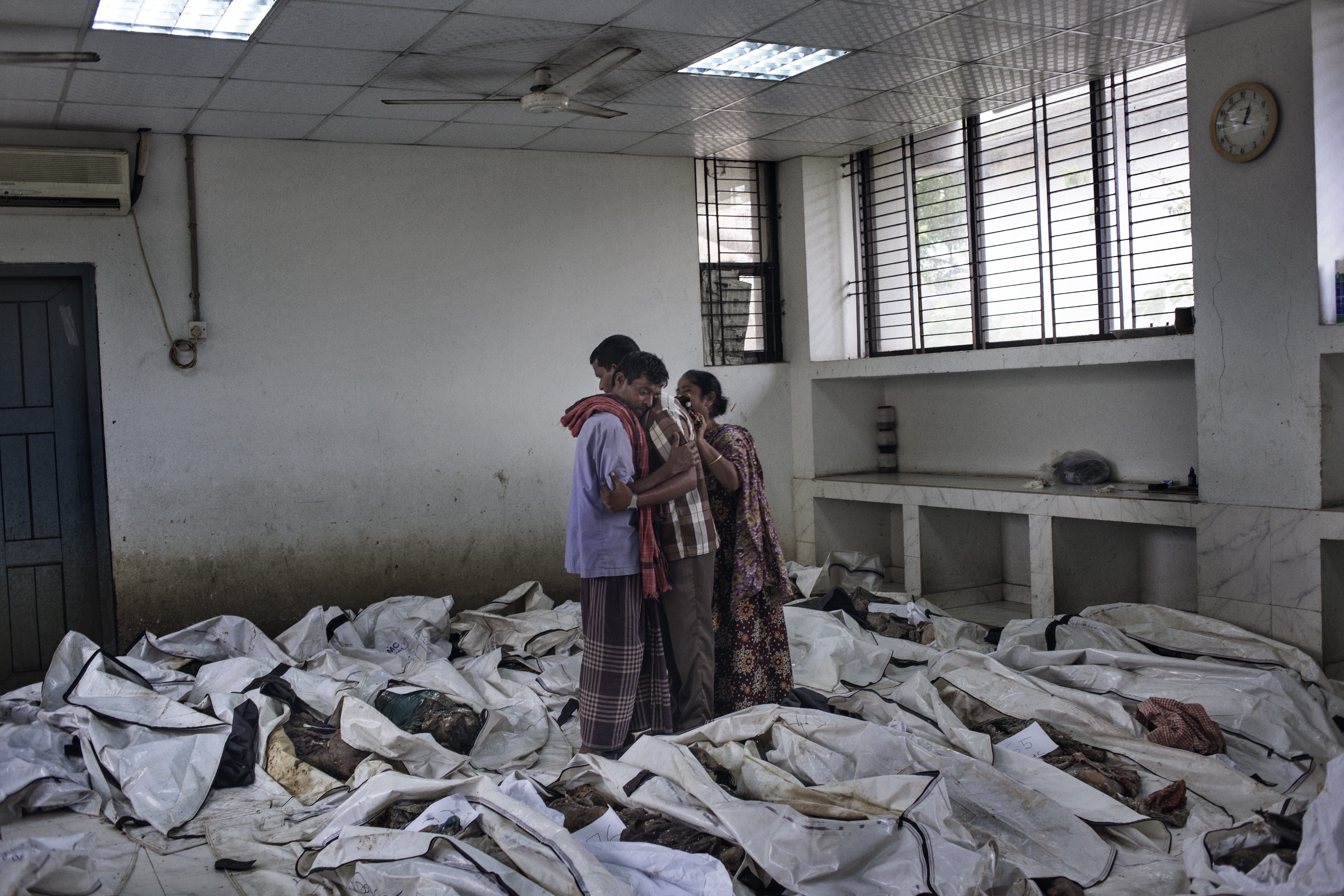
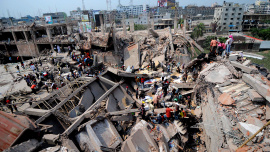
On April 24, 2013, 1,175 lives and thousands of dreams were crushed beneath the rubble of the Rana Plaza building. According to Hajar Praner Chitkar (2015, Bangladesh Garment Sramik Sanghati), 1,175 people died and 162 went missing, while around 2,500 were injured or permanently disabled. This is a date that cannot, and should not, be forgotten. It remains one of the most devastating industrial disasters not only in Bangladesh, but in the world. Just five months earlier, on November 24, 2012, 119 workers were killed in a fire at Tazreen Fashions in Nishchintapur, Ashulia.
Rana Plaza, a nine-storey building in a densely populated workers’ area about an hour from Farmgate in Dhaka, was originally approved for only six storeys. It was illegally extended. The lower floors housed shops, banks, and a market; five garment factories occupied the middle floors, while the top floor was vacant. Generators were placed on the third and eighth floors instead of the ground floor. Despite visible cracks appearing the day before, work continued. Shortly after the workday began, a power outage occurred. When the generators were switched on, the building collapsed with a deafening roar.
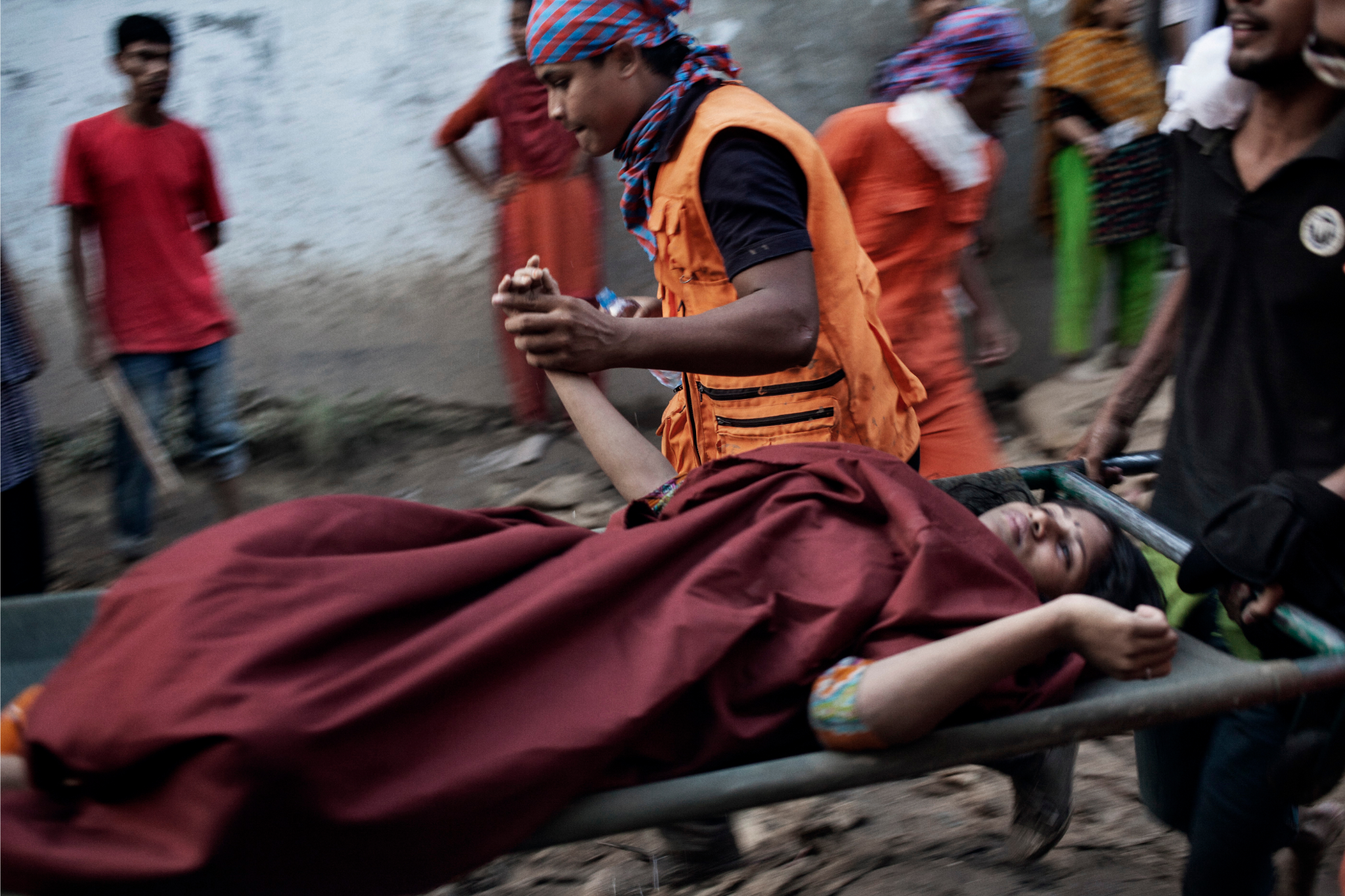
Workers like Rupali, Brojeswar, Shanthana, Shefali Madi, Runa Rani Das, Raja, Baby Akter, Anna, Mahedul, Ankhi, and Shahinara had come in as they did every day, unaware of what awaited them. What followed is now part of the country’s collective memory.
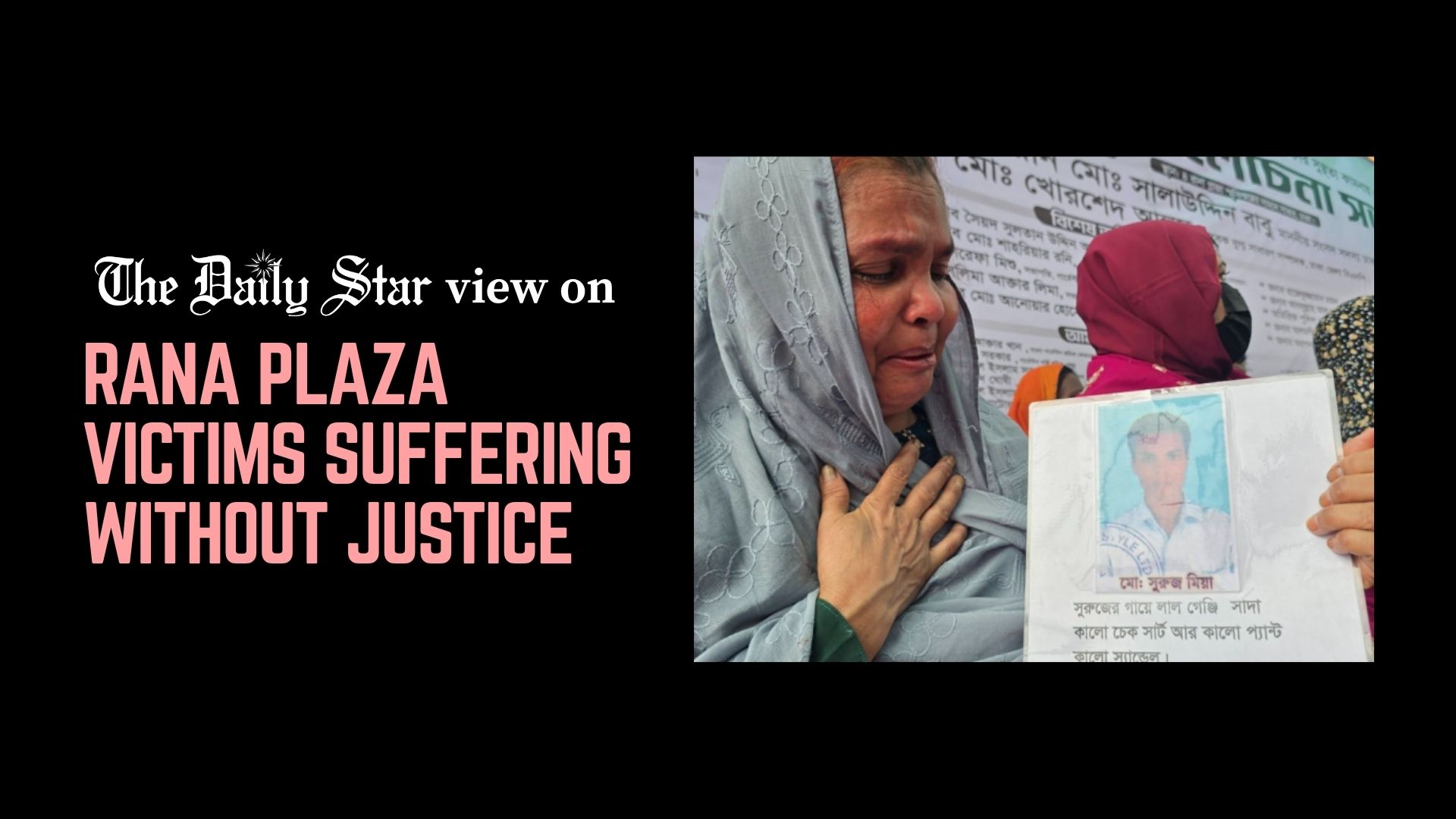
For survivors, the past remains ever-present. When Rozina looks at her severed hand, it is not only the physical loss she sees, but the trauma of being trapped for three days before cutting it off to survive. Shirin and Shahed, a married couple, left for work together and never returned. Mohsina from Joypurhat and her mother were also among the missing. Two brothers, Shahin Reza and Al Amin, died side by side. Rikta, from Bikrampur, and her daughter Jabin never came home. Workers from 59 districts had travelled to Rana Plaza in search of a livelihood; their stories of loss spread across the country.
The rescue operation continued for 17 days. On the 20th day, it was formally called off. Even then, the full toll remained unknown. For days afterwards, human remains continued to be recovered from the debris. Thirteen years have since passed, but the memory of that day endures—unresolved, and impossible to forget.
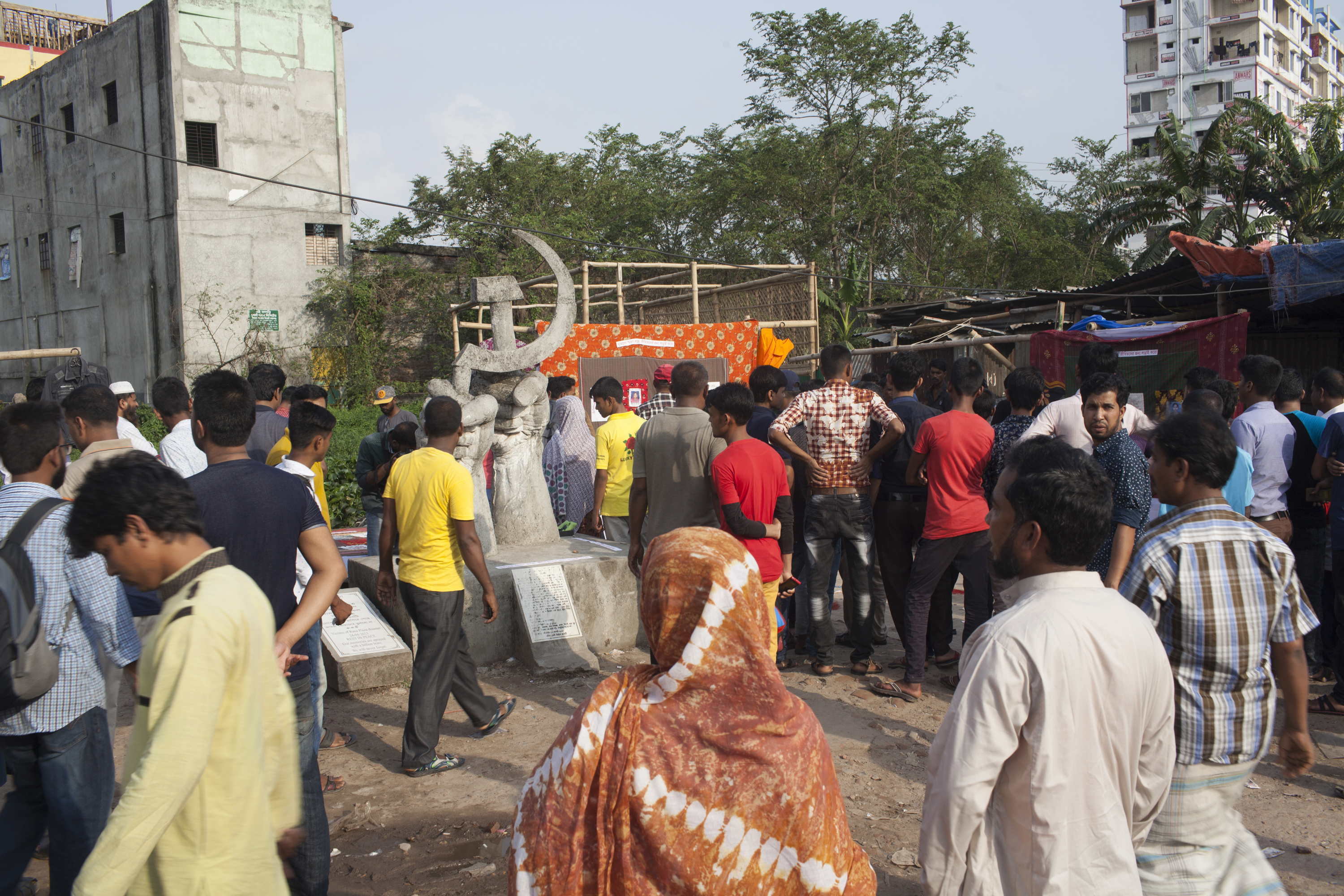
The history of the labour movement in Bangladesh cannot move forward without addressing the Rana Plaza homicide. From 2013 to 2026, 13 years have passed. In that time, how much have workers’ living standards improved? What is the condition of those affected, and what has become of the perpetrators? How far have amendments to labour law progressed? Each year, as April 24 returns, these questions resurface.
It cannot be said that nothing has changed. The number of major building collapses and factory fires in the garment sector has declined, and structural safety has improved. Wages have also increased: from Tk 3,000 in 2013 to Tk 12,500 in 2026. Yet this rise has not kept pace with the growth of the industry or the cost of living. Surviving on Tk 12,500 remains difficult for most workers.
A year after the disaster, at the 2014 Dhaka Apparel Summit, industry leaders set a target of transforming the sector into a 50-billion-dollar industry within 50 years of independence. That ambition has since expanded. In 2022, the BGMEA outlined 20 goals for a sustainable garment sector, including reaching 100 billion dollars in exports by 2030. Bangladesh’s economy remains heavily dependent on ready-made garment exports, with the country holding a leading position in denim exports to the European Union and the United States. There are now 280 LEED-certified green factories in Bangladesh, the highest number in the world.
Labour law has also undergone notable changes. Two of the most significant amendments came in 2013 and 2026. Within two months of the Rana Plaza collapse, on July 22, 2013, the labour law was revised across 87 sections. Thirteen years later, in 2026, a further 92 sections were amended, with stated aims of strengthening rights to life, livelihood, and freedom of expression for workers.
However, despite these developments, key issues remain unresolved. Compensation for victims and accountability for perpetrators continue to lag. Although there have been demands for compensation that reflects a lifetime’s loss, legal provisions have changed little. In 2013, compensation ranged from Tk 1 lakh to 1.5 lakh; it now stands at Tk 2 lakh to 2.5 lakh. Cases related to the disaster remain pending, and the judicial process has been slow, hindered by a culture of impunity and political influence.
The broader political context has also shaped outcomes. The period from 2013 to 2024 was marked by an environment in which the judicial process struggled to remain independent. Individuals such as Sohel Rana were widely reported to have links with those in power. The absence of timely justice has weakened deterrence, allowing negligence to persist in parts of the sector.
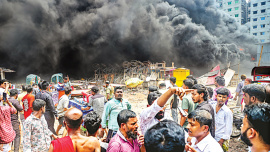
Fires and industrial accidents, though less frequent, have not ceased. Incidents such as the Chawkbazar fire in 2019, Hashem Foods in 2021, the Bailey Road restaurant fire in 2024, and the N.R. Fashion fire in Mirpur in 2025 underscore continuing risks.
Thirteen years on, Rana Plaza remains both a turning point and an unfinished chapter.
The Rana Plaza disaster was a wake-up call. Yet even after such a tragedy, no comprehensive database was created to identify workers, and the site itself was not preserved. In the immediate aftermath, significant legal changes were introduced under domestic and international pressure. Safety committees were established, and the requirement for forming a union was reduced from 30 per cent worker participation to 20 per cent, leading to a rise in unionisation. Under the 2026 labour law, a union can now be formed with just 20 workers, and safety committees have been made mandatory. Many provisions were amended in 2013 and again in 2026.
An elected government and parliament are now in place. The strength of democracy can be judged by the living conditions of working people. An accountable state, a democratic path, and a united movement can challenge the long-standing culture of impunity and advance workers’ rights to life, livelihood, and dignity.
This article has been translated by Ystiaque Ahmed.
Taslima Akhter is the president of the Bangladesh Garment Sramik Sanghati and a member of the Political Council of Ganosamhati Andolon. She was also a member of the Labour Reform Commission (2024). She can be reached at taslima_74@yahoo.com
Send your articles for Slow Reads to slowreads@thedailystar.net. Check out our submission guidelines for details.
Interactive / How many more lives before workplaces become safe?
Compensation falls short and fails workers, it must change
Not just garment factories, all workplaces must be safe
Rana Plaza, 13 years on: No justice, no memory