


Why K-dramas became the world’s emotional escape
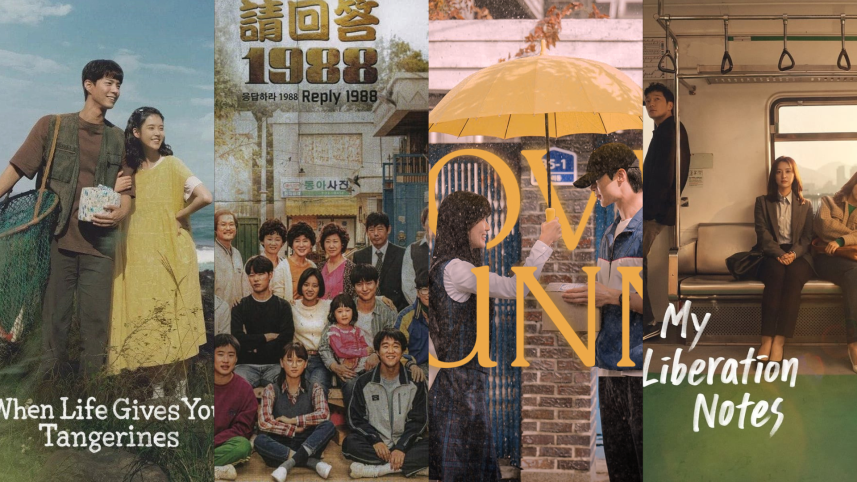
They have very quietly, but firmly, taken over global screens and outshone Western television series in popularity. The audience’s shift towards Korean dramas is no longer limited to niche fandoms. From university students binge-watching after classes to families picking which drama to watch on the weekends. K-dramas have now become a part of life.
The rise of Hallyu, or the Korean Wave, reflects a big cultural shift in people. K-pop, Korean fashion, food, and lifestyle are curated in a way that naturally draws people into drama consumption. Watching a K-drama is not just about leisurely pleasure; it is about stepping into a different world.

The appeal of Korean dramas rests in how they make people feel seen, understood, loved and emotionally connected. In this busy world filled with content, but at the end of the day, emotional intimacy is what the soul craves. Although Western shows still get top priority, dominate awards, and have high budgets, people are now finding Korean storytelling more relatable, emotionally satisfying, and easier to commit to.
One of the core reasons behind this change of preference is emotional clarity. Korean dramas portray love, grief, ambition and family pressures, whereas Western dramas often rely on complex timelines, moral complexity, or shock value.
“I started watching K-dramas during COVID-19, and all of a sudden I started to feel disconnected from Western shows," says Sadia Islam, now a 24-year-old university student. “K-dramas left such a deep impact on me, and sometimes it took months to get over a series after it ended."
Korean shows are very good at narrating a complete storyline, like past to present, how the plot evolved, unlike Western series that stretch multiple seasons. Most dramas wrap up within 12 to 16 episodes. However, even though the format is limited, they still skilfully show proper storytelling, character development, and satisfying endings.
Aziz Hossain, a corporate professional, said, “I don’t like when I have to wait for years to know what happens next, but with K-dramas, I will get a full journey from past to present without unnecessary fillers, but in a very detailed way so that it looks real.”
Another strong appeal is the romantic narrative, but not in a critical way.
K-drama romance is very different from Western shows. It starts with a slow burn, emotionally layered, and grounded in mutual understanding. Their selling point is never physical intimacy, but emotional connection. In contrast, Western shows normalise casual relationships and lack core values and explicit content, which does not align with the viewers' mindsets.
“I enjoy romance that builds gradually,” explains Zahra Hafiz Kimti, a 25-year-old fine arts student. “In K-dramas, small gestures like holding hands can feel more powerful and comforting than an entire season of Western shows because they have a more upbeat aura, which is not relatable.”
At the same time, it would be biased to claim that Korean dramas are perfect because we often see familiar tropes like rich-boy-poor-girl and childhood connections. What’s interesting, however, is that viewers are willing to see the same patterns as the emotional payoff feels more genuine. The familiarity becomes normal and comforting to the viewers.
Cultural values play an important role as themes like career, social pressure, family responsibility, and unspoken sacrifices strike a deep chord with Asian audiences. K-dramas do not try too hard to look relatable, but still effortlessly reflect real-life struggles better than Western shows that focus mostly on individualism.
“Sometimes it feels like they are portraying our own struggles, just in a different city and language," says Naslima Begum, a school teacher who often watches K-drama with her daughter. “The way they show emotions and actions in a certain situation feels familiar.”
Korean drama production aesthetics are different from Western shows. Visuals are pretty polished — soft aura, carefully composed frames, and meaningful soundtracks. On the other hand, Western shows prioritise realism over beauty, which feels heavier visually.
The audience, however, is not avoiding Western dramas entirely; they are just simply looking for balance.
“I still enjoy Western shows for thrillers, crime, or dark comedies, but I love Korean dramas because they keep me hooked," says Junaid Islam. “I don’t have to pressure my brain much thinking, as the stories are simple and easy to understand, which feels safer and warmer," he added.
And maybe that’s all the reasons viewers need to find their way back to Seoul episode after episode, not just for entertainment but for the comfort.
Photo: Collected
 For all latest news, follow The Daily Star's Google News channel.
Comments