


Ramadan Reset: Breaking the Shackles of Sugar Addiction
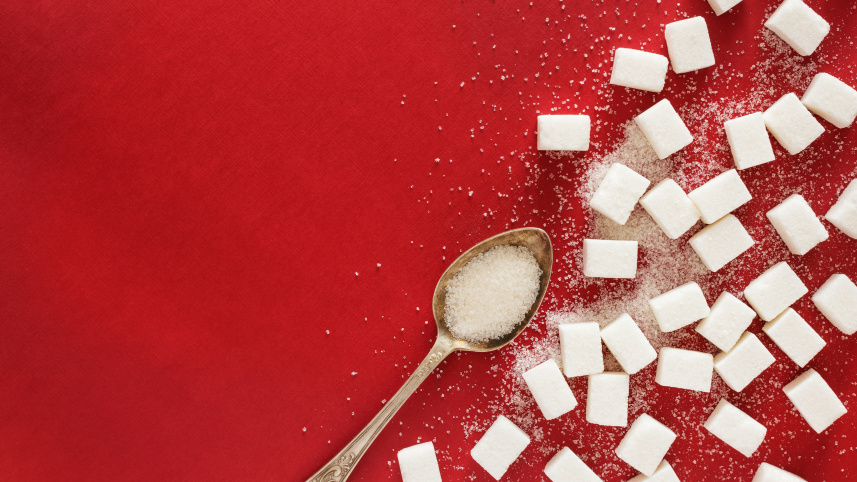
Imagine your body is a high-end smartphone that hasn't been rebooted in years. It’s lagging, the battery drains instantly, and the "background apps" — your internal organs — are struggling under the weight of constant data processing. In our modern lifestyle, that "data" is refined sugar.
During the Holy month, most discussions revolve around what to eat for iftar or sehri. However, the most profound biological transformation happens not in what we consume, but in what we finally manage to quit. Ramadan offers a scientifically backed, 30-day "system override" to break one of the most powerful dependencies known to man: Sugar Addiction.


Research published in the British Journal of Sports Medicine suggests that refined sugar can be more addictive than certain Class A drugs. Sugar triggers a massive release of dopamine in the brain’s reward centre, the nucleus accumbent. Over time, we develop a tolerance, needing higher "doses" (jilapis, shorbots, and desserts) to feel the same satisfaction.
For many Bangladeshis, the year-round habit of sweetened tea and processed snacks creates a state of chronic hyperinsulinemia. Ramadan is the only time of the year when the "dopamine hit" is interrupted for 14 to 15 hours straight, forcing the brain to recalibrate its reward threshold.

The Science of the 30-Day Detox: When you fast, your body undergoes a process called Insulin Sensitisation.
- The Blood Sugar Rollercoaster: In a typical non-fasting day, frequent snacking keeps your blood sugar high. During Ramadan, the absence of food forces the body to burn through its glycogen stores.
- Metabolic Switching: Once glycogen is depleted, the body switches to burning fat for energy. This "metabolic switch" is the secret to reversing pre-diabetic states often found in sedentary urban populations.
- Taste Bud Rehabilitation: Research shows it takes approximately 2 to 3 weeks for taste buds to renew. By the third week of Ramadan, your palate becomes more sensitive. A simple date starts to taste intensely sweet, signalling that your "sugar sensors" are healing.
The Cellular Janitor: Autophagy: Beyond blood sugar, fasting triggers Autophagy — a cellular "housekeeping" process that earned the Nobel Prize in 2016. When insulin is low, your body begins to identify and recycle damaged proteins and "zombie cells" caused by years of high-sugar intake. By removing the constant influx of glucose, you aren't just losing fat; you are literally scrubbing your internal machinery at a molecular level.
BDNF and Mental Clarity: Beyond the physical reset, breaking the sugar cycle triggers a profound neurological defence mechanism. When the brain is no longer fuelled by the "cheap energy" of refined sugar, it increases the production of Brain-Derived Neurotrophic Factor (BDNF). Research published in Nature Reviews Neuroscience describes BDNF as "Miracle-Gro" for the brain.
During the final ten days of Ramadan, as your body stays in a fat-burning state, BDNF levels peak, enhancing your focus, memory, and emotional regulation. You aren't just clearing your blood of glucose; you are biologically fortifying your brain against the cognitive decline and "brain fog" associated with long-term sugar dependency.

The Microbiome Makeover: Recent research in the British Journal of Nutrition suggests that our gut bacteria — the microbiome — dictate our cravings. Sugar-loving bacteria thrive on glucose and send signals to the brain to demand more sweets. Ramadan acts as a "starvation tactic" against these harmful microbes. As the sugar supply cuts off, the population of bacteria that favour fibre begins to flourish, naturally reducing your intense cravings by the end of the month.
The "Iftar Trap:" The tragedy of the modern Bangladeshi Ramadan is the "Iftar Trap." After 15 hours of healing, we often bombard our systems with jilapis and sugar-laden Rooh Afza. This creates a massive glucose spike that shocks the pancreas and undoes the metabolic repair of the day.
According to a survey on fasting habits in South Asia, individuals who break their fast with complex carbohydrates and natural sugars (like dates and water) show a 20 per cent higher rate of sustained weight loss and better glycaemic control post-Ramadan compared to those hitting the dessert table first.
The "Eid Test:" After 30 days of disciplined fasting, many find that the first bite of a very sweet Sheer Khurma feels almost "too sweet" or even slightly nauseating. This isn't just a feeling; it is biological proof that your dopamine receptors have down-regulated. Your body has successfully reset its "sugar thermostat."
Re-Wiring the Brain: Ramadan is not just a spiritual journey; it is a clinical intervention. If you can resist the urge to overcompensate with sweets during the non-fasting hours, you aren't just losing weight — you are biologically "re-wiring" your brain.
This year, don't just fast from food; fast from the refined crystals that have held your metabolism hostage. Your body is ready for the reset.
The writer is a senior clinical nutritionist at LabAid
 For all latest news, follow The Daily Star's Google News channel.
Comments